Seasonal & Peak Moving Tips

Essential Seasonal and Peak Moving Tips — Your Practical Guide to Summer & Winter Moves in Boston

Moving in Boston during the busy summer and winter months brings specific challenges — and some planning opportunities. This guide gives clear, practical strategies to help you navigate peak-season moves, whether you’re packing in the heat or handling icy sidewalks. With the right prep and resources, you can cut down on stress, avoid common pitfalls, and move more smoothly. Below, we cover season-focused tips, checklists, likely obstacles, and how Movers Boston can support your move.

Start early and treat the move as a project: set a timeline, inventory your belongings, and identify tasks that can be completed weeks before moving day. Local knowledge matters in Boston — neighborhood parking rules, building loading restrictions, and common seasonal road closures vary across the city, so factor those into your schedule.

Smart Strategies for Summer and Winter Moves in Boston

Peak-season moves need a plan that matches Boston’s conditions. Knowing when demand spikes — typically in summer and around holidays — helps you book the right crew and avoid last-minute scrambling. Clear logistics, realistic timelines, and the right professional help will protect your items and keep your move on schedule.

Make an inventory and photograph valuables, especially for specialty items like antiques or large electronics. Label boxes clearly with contents and room destination, and list any fragile items that require special handling. If you use movers, provide them with an inventory and call-sheet so they can price accurately and arrive prepared.

What Are the Key Challenges of Seasonal and Peak Moving in Boston?

Moving at the busiest times of year in Boston can create a few predictable headaches. Common issues include:

  1. Logistical Issues: High demand can cause scheduling conflicts and make trucks and crews harder to find.
  2. Weather Considerations: Summer heat can wear out people and damage sensitive items; winter snow and ice can make moving dangerous and slower.
  3. Cost Implications: Peak times often mean higher prices, so budgeting is important.

Knowing these challenges lets you plan around them and reduce surprises on moving day.

Other practical challenges include tight urban access (narrow driveways, stairs, and small elevators) and short-term parking restrictions that can add minutes to every trip between home and truck. Factor small delays into your plan: a 10–15 minute increase per trip adds up quickly across multiple loads.

How Do Weather Conditions Affect Summer and Winter Moves?

Weather strongly influences how smoothly a move goes in Boston. Summer heat raises the risk of heat-related illness for people and can harm temperature-sensitive items. Plan regular water breaks and avoid midday heat where possible. Winter brings snow, ice, and slippery surfaces — clear and salt walkways, give crews extra time, and be ready for slower travel.

Research on weather’s effects on transport and logistics highlights how extreme conditions can slow operations and increase safety risks — which is important to factor into your moving plan.

Weather Impacts on Transport & Logistics: Challenges & Strategies

This review surveys current studies on how extreme weather disrupts transport and logistics, outlines the main challenges, and suggests mitigation approaches.

Weather-related disruptions in transportation and logistics: A systematic literature review and a policy implementation roadmap, D Touloumidis, 2025

For summer moves, protect electronics and artwork from extreme heat: remove batteries where appropriate, pack devices in insulated boxes if necessary, and keep delicate items in climate-controlled spaces until they can be moved indoors. For winter, keep towels, blankets, and waterproof coverings on hand to dry off boxes and furniture quickly after exposure to snow or slush.

Check forecasts daily during the week before your move. If a severe storm or heat wave is expected, talk to your mover about contingency plans, backup dates, or modified arrival times to prioritize safety.

Why Is Planning Ahead Crucial During Peak Moving Seasons?

Planning ahead is the single best way to avoid peak-season stress. Booking early secures your preferred dates and crews, often at better rates. A clear plan prevents last-minute scrambling and reduces the chance of avoidable delays or extra charges. The more you prepare, the more predictable moving day becomes.

Good planning includes documenting access points (elevator hours, loading docks, stair widths), estimating total pack time, and confirming whether your building requires certificates of insurance from contractors. Communicate clear timelines with vendors, and build in contingency windows for weather or permit delays.

Example planning timeline:

  1. 6–8 weeks out: Research movers, compare quotes, and reserve a crew.
  2. 3–4 weeks out: Begin non-essential packing, schedule utilities and any required permits.
  3. 1 week out: Reconfirm arrival times with movers, finalize inventory, and arrange parking or loading permits.
  4. Moving day: Keep essential documents and a bag of necessities with you and maintain one point of contact for the moving crew.

How to Prepare an Effective Summer Moving Checklist for Boston Residents?

A focused summer checklist keeps you organized and protects your items from heat. Include these essentials:

  1. Packing Supplies: Boxes, strong tape, bubble wrap, and permanent markers for clear labeling.
  2. Timeline for Preparation: Set clear deadlines for packing, transferring utilities, and confirming moving-day logistics.
  3. Local Resources: Identify nearby storage facilities and reputable movers you can call if plans change.

Following a checklist helps you move efficiently and avoid last-minute gaps.

Additional summer-specific items to add to your checklist:

  1. Hydration and Cooling: Cooler with bottled water, electrolyte drinks, and shaded rest areas for volunteers and crew.
  2. Mattress and Fabric Protection: Breathable mattress bags prevent moisture buildup in hot conditions; avoid direct sun exposure to leather and vinyl items.
  3. Electronics: Pack electronics in the evening or early morning when temperatures are lower, and consider temporary climate-controlled storage if your transit time is long.

How to Schedule Your Summer Move to Avoid Delays and Extra Costs?

To reduce delays and keep costs down in summer, try these tactics:

  1. Choosing Off-Peak Days: Weekdays and mid-month dates are usually less busy than weekends or month-ends.
  2. Booking Early: Reserve your movers as soon as you have a date to lock in availability.
  3. Understanding Local Regulations: Check permits and parking rules in advance so you don’t face fines or hold-ups on moving day.

These steps give you more control and fewer surprises when the truck arrives.

When applying for parking or loading permits, allow several business days for approval and confirm whether permits are temporary or require display. If your building requires a certificate of insurance or a building representative on site, note that on your mover instructions so crews arrive ready.

What Does a Comprehensive Winter Moving Checklist Include?

Winter moves need extra safeguards against cold and moisture. Be sure your checklist covers:

  1. Packing Supplies: Durable boxes and moisture-resistant coverings to protect items from snow and salt.
  2. Timeline for Packing: Build in buffer time for weather delays and slower travel.
  3. Utility Arrangements: Confirm heating and essential services are active in your new home before you move in.

With these steps, you’ll be ready for common winter complications.

Additional winter checklist items to consider:

  1. Snow and Ice Prep: Arrange for shoveling or de-icing services for driveways and sidewalks, and have rock salt on hand for quick application.
  2. Protective Gear: Heavy-duty floor runners, waterproof boot covers, and absorbent mats will protect floors and reduce tracking salt and moisture into homes.
  3. Vehicle and Truck Access: Confirm the mover has a winter-capable vehicle and that your loading area can be cleared and kept safe during the move.

How to Safely Navigate Moving Day in Boston’s Winter Conditions?

Movers navigating a snowy pathway while carrying boxes during a winter move in Boston

Safety matters most on a winter moving day. Keep these tips in mind:

  1. Weather Precautions: Watch forecasts and be willing to delay if a storm threatens safety.
  2. Clearing Pathways: Shovel, salt, and keep entryways clear to prevent slips and speed up loading.
  3. Protecting Belongings: Use waterproof covers and quick-transfer strategies so items spend minimal time exposed to wet conditions.

Prioritizing safety helps protect both people and possessions when conditions are poor.

Wear layered, non-slip footwear and gloves that allow dexterity. Use furniture dollies with straps, protective corner guards, and moving blankets to prevent damage during icy transfers. If stairs are involved, assign extra crew members for safe control of heavy items and avoid rushing; slower, deliberate movements reduce the risk of injury.

How Can You Save Money During Peak Moving Season in Boston?

Saving on peak-season moves is about timing and choices. Try these cost-smart moves:

  1. Understanding Cost Drivers: Know that demand drives prices — shifting your date can save money.
  2. Booking Early: Early reservations often mean better rates and more options.
  3. Choosing Off-Peak Times: Moving mid-week or mid-month usually costs less than weekend or month-end moves.

Small timing changes can yield significant savings without sacrificing quality.

Additional cost-saving strategies:

  1. Declutter First: Sell, donate, or recycle items you no longer need; fewer boxes and lighter loads reduce labor and transport time.
  2. Compare Written Quotes: Obtain multiple detailed estimates and verify what’s included to avoid surprise fees.
  3. DIY Packing Where Practical: Pack smaller and non-fragile items yourself to lower mover hours, but leave specialty or heavy items to professionals.

Studies of urban delivery in tough weather show how adverse conditions raise operational costs, underlining the value of planning to control moving expenses.

Urban Delivery Costs in Difficult Weather Conditions

This study evaluates the economic and environmental costs of urban parcel deliveries during adverse weather and compares delivery modes — car, motorcycle, bicycle, and pedestrian courier — to understand trade-offs.

Combination of different means of parcel deliveries in urban logistics in adverse weather conditions, L Savchenko, 2021

What Are the Best Moving Day Preparation Tips for Seasonal Moves?

Good preparation makes moving day predictable and less stressful. Try these essentials:

  1. Creating a Timeline: Map out loading and unloading windows so everyone knows the plan.
  2. Packing Essentials: Keep documents, medications, chargers, and a change of clothes within easy reach.
  3. Communicating with Movers: Give crews clear arrival times, building access details, and any fragile-item instructions.

Clear plans and good communication keep things moving smoothly.

Designate a single point of contact who can answer questions for the crew and handle decisions like reordering items in the truck. Keep phone numbers for vendors and any local contacts (building manager, parking enforcement) handy. Prepare a marked “last load” area with essentials that should go last and be unloaded first at the new home.

How to Organize Labor Only Moving Services for Efficient Loading and Unloading?

Labor-only crews are great for focused help with heavy lifting. To get the most from them:

  1. Assessing Needs: Count large items and estimate hours to pick the right crew size.
  2. Choosing the Right Timing: Book labor for times when loading will be fastest—often early morning to avoid heat or late afternoon to avoid traffic.
  3. Communicating with Labor Services: Share floor plans, tight turns, and any special handling notes before they arrive.

Good planning ensures efficient loading and unloading and better value from labor-only services.

Provide clear staging areas and label which pieces go to which room at the destination. If you’re using a truck you rented separately, confirm loading sequences so heavier items are loaded first and lighter boxes last for easier unloading order.

What Storage Solutions Are Available During Peak Moving Periods?

Organized storage facility with climate-controlled units for moving during peak periods

Storage can give you breathing room when schedules don’t align. Consider these options:

  1. Types of Storage Options: Climate-controlled units protect sensitive items from extreme heat or cold.
  2. Pricing Considerations: Compare rates and minimum rental periods to find the best fit.
  3. Accessibility: Look for facilities with flexible hours and easy access to make staging simpler.

Choosing the right storage setup adds flexibility and reduces pressure on moving day.

Short-term units are useful for staging while cleaning or waiting for keys. If you expect to store items for several months, ask about discounts for multi-month rentals and whether the facility provides pest control and humidity monitoring.

Which Local Regulations and Considerations Should Boston Movers Know?

Familiarity with local rules keeps your move hassle-free. Key items to check:

  1. Permit Requirements: Verify if you need a truck-parking permit or loading zone authorization.
  2. Parking Restrictions: Be aware of street cleaning, alternate-side rules, and timed parking limits.
  3. Noise Ordinances: Know local quiet-hour rules to avoid fines or complaints.

Confirming regulations ahead of time prevents unexpected delays on moving day.

Contact your neighborhood’s municipal office or check the city website for permit applications and fees. If you live in a condo or association, confirm internal rules for moving in and out, elevator reservations, and any damage deposit requirements.

How Do Boston’s Seasonal Weather Patterns Influence Moving Permits and Restrictions?

Weather can change how permits and restrictions are enforced. Winter storms may prompt stricter street rules or emergency parking limits; summer events can also affect loading zones. Secure permits and clarify local rules well before your move to avoid last-minute complications.

During festival weekends or major events, plan for alternative drop-off points and communicate these plans with your movers. In winter, check whether the city issues temporary emergency parking rules during snow events and how that might impact your truck placement.

What Are the Recommended Safety Practices for Moving in Boston’s Peak Seasons?

Safety and planning go hand in hand. Follow these recommendations:

  1. Booking Early: Early booking ensures you have the right crew when you need them.
  2. Choosing Off-Peak Times: Moving during less busy windows lowers risk and stress.
  3. Understanding Local Regulations: Staying compliant avoids delays and penalties.

These practices protect your move and help the day go as planned.

Ensure movers are COVID-19 aware and follow any current local health guidance. Verify that your mover provides proper equipment and that crew members are trained in manual handling techniques. Encourage short, frequent breaks in hot weather and warm-up periods during cold spells to avoid injury and fatigue.

Frequently Asked Questions

What should I consider when choosing a moving company for peak seasons?

Look for availability, clear pricing, and proven experience with seasonal moves. Read recent reviews, ask about insurance and licensing, and confirm what’s included (packing, storage, or special handling). Booking early locks in your date and reduces last-minute surprises.

How can I ensure my belongings are protected during a winter move?

Use waterproof covers and durable packing materials, insulate electronics, and move items quickly between vehicles and indoor spaces. Tell your movers about fragile or temperature-sensitive items so they can prioritize and protect them.

What are the benefits of hiring professional movers during peak seasons?

Professionals handle logistics, heavy lifting, and local regulations so you don’t have to. They bring equipment and experience that speed up the process and reduce injury risk. Plus, they can offer packing, storage, or labor-only options when schedules shift.

How can I prepare my family for a move during peak seasons?

Communicate the plan, assign simple tasks by age, and build breaks into the day. Pack a bag with essentials for each family member and involve kids in labeling their boxes so they feel part of the process.

What are some common mistakes to avoid when moving in summer?

Don’t underestimate heat: schedule water breaks and avoid midday packing when possible. Book movers early, check forecasts, and avoid overfilled boxes that are hard to carry in hot conditions.

What should I do if I need to change my moving date last minute?

Contact your mover immediately to request alternatives; flexibility is limited in peak seasons, and fees may apply. Have backup dates ready and check whether your storage or temporary housing options can adapt to the new schedule.

How can I find temporary housing if my move is delayed?

Look for short-term rentals, extended-stay hotels, or ask friends and family. Rental platforms and local agents can often help find month-to-month options close to your new neighborhood to ease the transition.

How to Prepare for a Summer Move in Boston?

For summer moves, start with a clear checklist, pack in stages, and plan to work during cooler hours. Stay hydrated, label boxes clearly, and line up backup help in case the original plan changes. These steps keep you efficient and comfortable on moving day.

Plan your heaviest lifting for early morning or late afternoon, and leave lighter tasks like sorting and final cleaning for midday if heat becomes a problem. Consider renting a temperature-controlled short-term storage unit if there will be a long gap between pickup and delivery.

How Do Movers Boston Services Support Seasonal and Peak Moving Needs?

Movers Boston offers flexible services built for busy seasons: full-service moves, labor-only crews, and short- or long-term storage options. We help you coordinate timing, handle weather-related adjustments, and protect sensitive items so your move stays on track even when conditions are challenging.

We provide tailored checklists, on-site estimates, and clear move-day coordination so you always know who is responsible for each step. If weather or permit issues arise, experience makes a difference in finding timely, compliant alternatives.

What Local and Long Distance Moving Options Are Offered?

Movers Boston handles local moves across the city and region, as well as long-distance relocations to other states. We provide add-ons like packing, unpacking, and specialty-item handling so you can choose the level of support that fits your budget and timeline.

For long-distance moves, we advise scheduling earlier than you would for a local move and confirming transit windows, insurance options, and delivery expectations in writing. For local moves, we focus on efficient routing and minimizing elevator or staircase delays.

How Can Storage and Labor Only Services Ease Your Seasonal Move?

Storage and labor-only services give you flexibility when timing is tight. Storage lets you stage items until your new place is ready; labor-only crews speed up loading and unloading without the cost of a full truck rental. Together, they make seasonal moves less stressful and more affordable.

Pairing a short-term storage unit with labor-only crews can allow you to move items out of an apartment in stages, minimizing parking time and enabling you to schedule movers during a less busy window. This approach is particularly useful when closing dates or handover times are uncertain.

Conclusion

Seasonal moves in Boston require planning, flexibility, and the right partners. With clear checklists, attention to weather and local rules, and the support of experienced movers, you can reduce stress and protect your belongings. If you need help, explore Movers Boston’s services to find the right mix of support for your next move.

Plan early, communicate clearly with your chosen providers, and keep safety as your top priority. With those elements in place, even a peak-season move can proceed smoothly and predictably.


Moving Insurance & Claims in Boston

Moving Insurance & Claims in Boston — How to File, Your Coverage Options, and Full Value Protection

Moving is stressful enough without worrying about damaged or lost items. This guide breaks down moving insurance and claims in Boston so you know how to protect your things, file a claim if needed, and decide whether Full Value Protection is worth it. Many people skip insurance and later face avoidable losses. Read on to understand the coverage types, the step‑by‑step claims process, and what Full Value Protection actually covers so you can move with confidence.

Common concerns include what to declare, how movers value damaged items, and which proofs the mover will accept. We also note items people often forget to insure, like high-value electronics, family heirlooms, or collections stored separately. Preparing now reduces disputes later and makes any claim clearer for both you and the mover.

What this guide covers: Moving insurance & claims in Boston

Insurance during a move gives you financial protection if belongings are lost, stolen, or damaged. Movers in Boston offer different coverage choices with distinct limits and requirements. Knowing those options and the claims process helps you choose the right protection and speeds up any claim you need to make. This section explains why insurance matters and how to navigate the system effectively.

Because rules and standard practices can vary by mover and by whether a move is local or interstate, read your contract carefully and ask for written policy language when you book. Understanding local regulatory differences and contract terms up front avoids surprises at claim time.

Research shows public values and local legal rules meaningfully shape how claims and damage awards are handled in Boston.

Boston Insurance Claims & Damages: The Role of Insurance

Public values shape the system through third-party claims and the levels of damages set by juries. For more detail, see research on insurance’s role as a risk-management technology.

Boston, MA 02109, 2013

Types of Moving Insurance Coverage

Icons showing Released Value, Full Value, and Third‑Party insurance options for moves

Movers typically offer a few core insurance choices. Each gives a different level of protection, so pick the one that matches the value of your belongings and your comfort with risk.

When choosing, prioritize items by replacement cost and irreplaceability. Consider whether the mover requires advance declaration for high-value items and whether you prefer repair, replacement, or cash settlement options.

Type of CoverageDescriptionBenefits
Released Value ProtectionBasic protection provided by the mover, often included at no extra charge.Lowest cost; acceptable for low‑value items.
Full Value ProtectionBroader coverage where the mover is responsible for repair, replacement, or fair cash settlement for lost or damaged items.Best for higher‑value possessions; provides more complete peace of mind.
Third-Party InsuranceSeparate coverage you buy from an independent insurer to cover gaps or irreplaceable items.Customizable limits and protections for collectibles, jewelry, and antiques.

Released Value Protection (Basic Coverage)

Released Value Protection is the entry-level option many movers include. It pays a minimal amount — commonly about $0.60 per pound per item — rather than the item’s replacement cost. That makes it fine for inexpensive goods but inadequate for electronics, antiques, or other high-value items. If you have valuable belongings, consider supplemental coverage.

For example, under released value, a heavy but low-value item may trigger a payment that does not approach replacement cost; conversely, small high-value items may be under-compensated. Check how the per‑pound formula applies to individual items and whether the mover requires separate declarations for certain categories.

Full Value Protection

Full Value Protection offers greater security: the mover is responsible for repairing, replacing, or providing a cash settlement equal to the item’s current value. This option is recommended if you’re moving furniture, artwork, or other items with significant replacement cost. Note that Full Value Protection typically raises your moving price, so weigh the cost against the value of what you’re protecting.

When you choose Full Value Protection, the mover may ask you to declare values or provide receipts for specific items. In practice, look for contract language that explains whether replacements are new-for-old, current-cash-value, or repaired-equivalent, and whether deductibles or caps apply per item or per claim.

Third-Party Insurance

Third‑party policies let you buy tailored protection outside the moving company. These plans are useful when you need higher limits, specialized coverage (for antiques, jewelry, or collections), or coverage for events not included in the mover’s policy. Compare quotes and policy terms to avoid overlap or coverage gaps.

Be careful to read the third-party policy’s exclusions and how it coordinates with mover-provided coverage. Some third-party insurers require proof of value such as appraisals or bills of sale and may have their own deductibles — keep those documents ready before filing any claim.

How to File Claims

Person completing a moving claim form with documentation on a desk

Claims are easier when you act quickly and keep good records. Follow these steps to make the process smoother and improve your chances of a fair settlement.

Document item condition at pickup and at delivery whenever possible — take timestamped photos and note any visible damage on the bill of lading before the movers leave. That contemporaneous evidence is often the most persuasive in a claim review.

Notify the Mover

Tell your moving company as soon as you discover damage or loss. Movers usually set deadlines for filing — for interstate moves, that deadline is often within nine months — but intrastate rules can differ. Prompt notification starts the official claims process and shows you’re taking the issue seriously.

When you notify the mover, include the shipment ID, a short description of the damaged or missing items, and preferred contact details. Ask for a reference number and the expected next steps so you have a written trail of the notification.

Complete a Claim Form

After notifying the mover, fill out the claim form they provide. You’ll list damaged or missing items, describe the problem, and include values. Complete, accurate answers keep the review moving and reduce delays.

Provide Documentation

Support your claim with proof: receipts, photos of the damage, and your inventory list. The stronger your documentation, the faster and more solid your claim will be.

Acceptable documents commonly include original or digital receipts, photos showing pre- and post-move condition, appraisals for high-value pieces, and a copy of the bill of lading or inventory. Submit readable, organized digital copies when the mover allows online upload to accelerate review.

Submit the Claim

Send the claim and supporting documents by the mover’s preferred method (online portal or mail). Keep copies of everything you submit and note any confirmation numbers or contact names.

Expected Timelines

Claim response times vary, but many movers respond within about 30 days for straightforward claims. Complex cases or incomplete documentation can extend the timeline. Staying organized and proactive helps speed resolution.

For claims involving repairs, specialized appraisals, or third-party insurers, expect additional review time while repair estimates are obtained and valuation is negotiated. Keep following up at regular intervals and request estimated response dates so you can plan next steps if negotiation or appeal is needed.

Full Value Protection Explained

Full Value Protection makes the mover responsible for the value of lost or damaged items — either by repair, replacement, or a cash settlement. You may be asked to declare the value of certain items in advance. Review the contract’s exclusions and any deductible so you understand how a payout would work.

Preparing for Your Move

A little preparation reduces risk and strengthens any future claims. Create a room-by-room inventory, photograph valuable items, keep receipts, and discuss coverage options with your mover before moving day. That way you’ll spot gaps and add coverage where needed.

Use clear labeling, pack fragile items using recommended materials, and set aside irreplaceable items to transport personally if possible. Keep digital backups of receipts and take short video walkthroughs of items that are difficult to photograph well.

Best Moving Insurance Options for Boston

The right choice depends on what you’re moving. Full Value Protection is often best for homeowners with furniture, electronics, or collections. Released Value is acceptable for low-cost items. If you own irreplaceable items, get third-party quotes to supplement the mover’s policy.

Which Types of Moving Insurance Protect Your Belongings?

Released Value Protection, Full Value Protection, and Third‑Party Insurance are the main options. Each protects at a different level — assess your inventory and budget to decide which fits your needs.

How Full Value Protection Moving Coverage Works

Under Full Value Protection you declare the value or let the mover estimate it; if items are lost or damaged, the mover repairs, replaces, or pays the current value. Check for limits, deductibles, and items excluded by the policy.

How to File a Moving Claim in Boston: Step-by-Step Process

  1. Notify the mover: Report damage or loss as soon as you discover it.
  2. Complete a claim form: Provide accurate item descriptions and values.
  3. Provide documentation: Supply receipts, photos, and your inventory list.
  4. Submit the claim: Send materials through the mover’s portal or by mail and keep copies.
  5. Follow up: Track progress and respond quickly if the mover requests more information.

Required Documents and Timelines for Boston Moving Claims

Typical requirements include a completed claim form, an itemized inventory, and proof of value such as receipts or photos. While many movers aim to reply within about 30 days, timelines can vary — especially for complex or high-value claims.

How to Navigate the Boston Moving Claims Process Efficiently

Notify the mover promptly, keep all documentation organized, and maintain communication. If the initial settlement is unsatisfactory, escalate to a supervisor and review your written contract and policy terms for next steps.

Boston Moving Claims Timeline and Common Questions

Timelines depend on claim complexity and the mover’s processes. Common questions include what types of coverage exist, what documents are needed, and how long responses typically take. Use the mover’s customer service and your contract to get clear answers.

How Local vs. Long‑Distance Moving Insurance Differs in Boston

Long‑distance moves often call for broader coverage because the items travel farther and change hands more. Local moves may offer fewer options or different deadlines. Always confirm coverage specifics with your mover based on move distance.

Coverage Options for Local Moves in Boston

Local moves usually provide Released Value and Full Value Protection. Compare the costs and limits to choose what fits your property and budget.

How Long‑Distance Moving Insurance Coverage Is Structured

Long‑distance moves typically offer Full Value Protection and allow third‑party policies to fill gaps. Because of added transit time and handling, consider higher limits or supplemental plans for valuable items.

Storage Insurance Options for Boston Movers

If your belongings go into storage during the move, ask about storage insurance. Some mover policies include coverage while items are stored; others require separate policies. Confirm limits and exclusions before you store anything.

Also consider whether the storage facility offers climate control or additional protective measures for sensitive items; these factors can affect both coverage availability and premiums.

How Storage Insurance Protects Your Items During a Move

Storage insurance covers loss or damage while your items are in a storage facility or held by the mover. That protection is important if your move includes interim storage between homes.

Coverage Limits and Exclusions for Storage Insurance

Limits and exclusions vary by provider. Read the fine print to learn what’s covered, any value caps, and excluded causes like improper packing or certain types of fine art. Ask questions so there are no surprises.

How Much Moving Insurance Costs in Boston and What Influences Pricing

Insurance cost depends on the coverage type, the declared value of your items, move distance, and the mover’s pricing. Basic Released Value is typically free; Full Value Protection and third‑party policies add fees. Get multiple quotes to compare costs and terms.

When comparing costs, request itemized estimates and ask how limits and deductibles change the price. Common cost drivers include declared total value, whether items need special handling, storage needs, and the overall distance and timing of the move.

Factors That Affect Moving Insurance Premiums in Boston

Premiums are influenced by total declared value, coverage type, move distance, and the mover’s policy terms. Your mover’s claims history and the specific items you insure (electronics, art, jewelry) can also affect pricing.

How to Compare Boston Moving Insurance Quotes Effectively

Compare coverage limits, exclusions, deductibles, and claim processes — not just price. Read customer reviews and ask how the mover handles disputes. A clear, efficient claims process is as important as the price you pay.

Why Choose Full Value Protection for Your Boston Move?

Full Value Protection is the better choice when you want reliable coverage for furniture, appliances, and other items with high replacement costs. It transfers more responsibility to the mover and reduces your financial risk if something goes wrong.

What Items and Damages Full Value Protection Covers

Full Value Protection typically covers items lost, damaged, or destroyed during transit, subject to the mover’s contract terms. Check the policy for exclusions (e.g., pre-existing damage, improperly packed items) and any dollar limits on high-value items.

How Full Value Protection Improves Your Moving Experience

With Full Value Protection you can focus on the move itself rather than worrying about potential losses. Knowing there’s a framework for repair, replacement, or fair settlement reduces stress and simplifies recovery if damage occurs.

Where to Find the Best Moving Insurance and Claims Support in Boston

Research movers with strong reviews, transparent contracts, and clear claims procedures. Compare both mover-offered protections and third-party insurers to find the best match for your needs and budget.

How to Evaluate Boston Moving Companies’ Insurance and Claims Services

Ask about available coverage, limits, exclusions, and claims timelines. Request written policy language, read customer feedback, and confirm how disputes are handled. The right mover will explain options clearly and answer your questions.

The Role of Customer Support in Boston Moving Claims

Responsive, knowledgeable customer support matters. A helpful claims representative can walk you through paperwork, explain timelines, and keep your claim moving toward resolution. Prioritize movers with strong support reputations.

Frequently Asked Questions

What should I do if my items are damaged during the move?

Report the damage to your mover immediately. For interstate moves, many movers require notice within nine months. After you notify them, complete the claim form, document the damage with photos, and submit receipts or other proof of value to speed processing.

Are there any exclusions in moving insurance policies I should be aware of?

Yes. Common exclusions include pre-existing damage, items damaged by improper packing, certain high‑value items unless declared or separately insured (jewelry, fine art), and some natural disaster scenarios. Always read the policy details and ask your mover about specific exclusions.

How can I ensure I have adequate coverage for my high-value items?

Choose Full Value Protection, declare high-value items in writing, and consider third‑party insurance for items like jewelry, art, or collectibles. Keep receipts and appraisals handy to support any future claim.

What are the typical costs associated with moving insurance in Boston?

Costs vary. Released Value Protection is often included free, while Full Value Protection and third‑party policies carry additional fees based on the value insured and the mover’s rates. Request quotes from multiple providers to compare price and coverage.

How does the claims process differ for local versus long-distance moves?

Long-distance moves may have stricter deadlines, broader coverage needs, and more complex claims handling because items travel farther and pass through more handling points. Local moves may have simpler procedures, but always confirm specific rules with your mover.

What documentation is necessary to support a moving claim?

Commonly required items are the completed claim form, an itemized inventory, photos of damage, and proof of value such as receipts or appraisals. The clearer and more complete your documentation, the faster the review.

Can I purchase additional insurance after the move has started?

Typically no — insurance choices are made before or at booking. If you discover gaps, speak with your mover right away, but in most cases supplemental coverage must be arranged before the move begins.

Conclusion

Knowing your moving insurance options makes the difference between a smooth recovery after loss and an expensive surprise. Choose protection that matches the value of your belongings, document everything, and act quickly if damage occurs. If you want more details, explore our resources on moving insurance and compare quotes before your move.

Piano & Specialty Item Moving Guide

Comprehensive Piano Moving Services in Boston — Your Complete Guide to Piano & Specialty Item Moves

Moving a piano or another specialty item takes planning, the right gear, and experienced hands. This guide walks through piano moving services in Boston — the types of pianos movers handle, the specialized equipment they use, what to expect on costs, and practical tips to protect your instrument. Whether you have a concert grand or a delicate heirloom, knowing the process helps you avoid damage, save time, and reduce stress.

Below we cover pricing, preparation steps, logistics for large-item moves, and why choosing licensed, insured professionals matters. You’ll also find guidance on preparing your piano for transport and the insurance options that can protect your investment. Use this article as a checklist and reference when requesting quotes, booking services, or preparing for moving day.

Piano Moving Services in Boston

Boston piano movers offer specialized services tailored to each instrument type. Common offerings include grand-piano moves, upright-piano moves, and transport for digital pianos — each requiring different handling techniques and equipment. Trained movers plan lifts, routes, and protective measures to get instruments to their destination safely and intact.

Services typically begin with a pre-move assessment, either in person or via photos and measurements you provide. The assessment identifies potential access issues (narrow halls, flights of stairs, small elevators) and determines whether additional equipment or crew members are needed. A clear assessment reduces surprises on moving day and helps ensure accurate written estimates.

Beyond muscle and manpower, professional teams use purpose-built tools — piano dollies, heavy-duty padding, and securing straps — and they account for environmental factors like temperature and humidity that can affect a piano’s tuning and condition during transport. Many movers also offer add-on services such as disassembly and reassembly of legs, hoisting for difficult exterior moves, and on-site placement and leveling at delivery.

Pricing

Knowing how piano moving is priced makes budgeting straightforward. In Boston, typical costs range from $300 to $1,200, influenced by piano type, move distance, and any special services required. Quotes commonly reflect labor, travel time, specialized equipment, and any required permits or building fees.

Service TypeCost RangeFactors Affecting Cost
Grand Piano Moving$800 – $1,200Size, weight, and distance
Upright Piano Moving$300 – $800Accessibility and distance
Digital Piano Moving$250 – $600Weight and handling requirements

Price can also vary by service model. Some companies charge a flat fee for an on-site estimate and quoted job, while others use hourly rates with a minimum call-out charge. Additional line items may appear for stair carries, hoisting, parking permits, or insurance upgrades. When comparing estimates, request a written breakdown so you can see which items are included and which are billed separately.

Tips for a Successful Move

Piano wrapped with padding and secured with straps ready for transport

To reduce risk and keep your move running smoothly, follow these practical tips:

  1. Hire Professional Movers: Experienced piano movers protect both the instrument and your home — they’re worth the investment.
  2. Prepare Your Piano: Remove loose items, lock or secure the keyboard lid, and note any fragile parts before the move.
  3. Communicate with Your Movers: Share dimensions, access limitations, and any stairs or tight turns so the crew can plan the safest approach.

Additional useful steps include taking dated photos of the piano’s current condition, labeling removable parts and hardware in clearly marked bags, and keeping a list of special instructions (for example, preferred placement in the new room). On moving day, keep children and pets clear of work areas and designate one point of contact to streamline communication with the crew.

Allow extra time for inspection and documentation when the crew arrives. A short walkthrough to confirm routes and placement reduces the chance of surprises and speeds the actual move. If you live in a building with management rules, notify the building in advance and secure elevator reservations or loading dock times per their policies.

What Are Professional Piano Moving Services in Boston?

Movers carefully handling a grand piano and other specialty pieces, including antique furniture

Professional piano-moving services are specialized teams trained specifically to move heavy, delicate instruments. They bring the right equipment and a clear plan for lifts, routes, and securing the piano in transit. Their experience helps them navigate narrow stairwells, elevators, and tight doorways without compromising the piano’s finish or internal mechanics.

Typical service steps include an initial inspection, scheduling a crew with the correct experience level, protecting the piano with specialized padding and corner guards, and securing it in a properly sized truck. After delivery, many teams will place the piano in its final location, check for scratches or damage in your presence, and make minor adjustments like leveling or reattaching small hardware if needed.

Which Specialty Items Require Expert Moving Services?

Besides pianos, other specialty items often need expert handling, for example:

  • Antique Furniture: Fragile joinery and finishes require careful packing and handling.
  • Artwork: Paintings and sculptures need tailored protection against shock, moisture, and abrasion.
  • Pool Tables: Large, heavy, and often requiring disassembly and reassembly by experienced technicians.

Other common specialty items include large safes, chandeliers, oversized mirrors, and built-in fixtures that need careful removal and reinstallation. Each item has unique handling needs, and professionals trained in specialty moves know how to select appropriate packing materials, secure items during transit, and coordinate any necessary specialist contractors for reinstallation.

How to Ensure Safe Piano Transport: Essential Tips and Equipment

Safe piano transport depends on planning and the right materials. Focus on secure packing, a clear route plan, and environmental protection during transit.

Creating a reliable, low-effort transport process is essential for protecting musical gear and for the safety of the movers.

Safe & Efficient Musical Gear Transportation Design

This report documents efforts to design a safe, low‑strain process for transporting musical gear. Specifications came from customer requirements and human-factors principles. The process was mapped into standardized steps using lean methods to eliminate non-value activities.
  1. Use Quality Packing Materials: Heavy-duty padding and straps reduce movement and prevent surface damage during transit.
  2. Plan the Route: Walk the path from piano to truck and identify pinch points, tight turns, and obstacles before moving day.
  3. Temperature Control: When possible, use climate-controlled vehicles or storage to limit exposure to temperature and humidity swings.

In addition, consider protective measures such as temporarily removing doors from frames to widen passage or placing carpet runners and corner protectors to guard floors and walls. Movers often recommend disassembling detachable piano legs or music stands to reduce snag points; these parts should be packed separately and labeled. For exterior moves that can’t fit through standard access points, hoisting services allow safe removal through windows or balconies, performed by crews with the appropriate rigging gear.

Documenting the piano’s condition before transport (photos and notes) and asking the moving crew to confirm handling steps in writing helps set expectations and provides a record should any issues arise. Finally, plan for a short acclimation period after the move before significant tuning or adjustments are made, especially if the piano experienced large temperature or humidity changes during transit.

What Specialty Equipment Do Professional Movers Use?

Specialized tools make the difference on complex moves. Common equipment includes:

  • Piano Dollies: Built to support a piano’s weight and make movement across floors easier.
  • Padding: Thick blankets and corner protection guard finishes and edges.
  • Straps: Heavy-duty straps secure the piano in the truck and during lifts.

Other equipment frequently used includes stair rollers to ease movement down multiple steps, skid boards to protect floors, hoists and rigging for lifts through windows or over exterior obstacles, pallet jacks for loading, and ramp systems to bridge truck beds and curbs. Properly trained crews know how to combine these tools safely and how to distribute weight during lifts to prevent tipping or damage.

How to Prepare Your Piano for a Safe Move?

Preparing your piano before the movers arrive speeds the process and lowers risk. Key steps include:

  1. Secure Loose Parts: Remove or fasten removable components like music racks and loose pedals.
  2. Use Quality Packing Materials: Wrap the piano in protective padding, and protect corners and legs specifically.
  3. Plan for Transportation: Confirm the appropriate vehicle and make sure the piano will be properly anchored for the trip.

Additional preparation tips: clear the path from the piano to the exit and measure doorways, stair widths, and elevator interiors in advance. If the move involves an apartment or condo building, check access times and elevator reservations with building management. Label any detached hardware and keep small parts in a clearly marked container that travels with the piano or is handed to the crew leader. Finally, note any pre-existing cosmetic issues on a checklist or with photos so you and the movers have a common record of the instrument’s condition.

What Are the Costs and Insurance Options for Piano Moving in Boston?

As noted, piano moves in Boston commonly fall between $300 and $1,200 depending on the instrument and move specifics. When budgeting, include any special handling, stair or elevator fees, and required permits.

Insurance is an important consideration. Many moving companies provide valuation coverage or can recommend third-party insurance to cover damage during transport. Confirm coverage limits and claims procedures before the move so you know what’s protected. Ask the mover to explain the claims timeline and any documentation needed. If an item is particularly valuable or antique, consider obtaining an independent appraisal and discussing additional coverage options with your mover or an insurance broker.

How Do Local and Long Distance Specialty Moving Services Differ?

Local and long-distance moves differ in logistics and cost structure. Local moves typically have lower travel time and fewer regulatory hurdles, while long-distance moves demand more planning, coordination, and often higher fees.

Long-distance transport may require additional permits, route planning, or climate-controlled transit. Understanding these differences helps you select the right mover and level of service for your needs. For long-distance moves, request information about transit times, overnight handling procedures, checkpoints during the trip, and how the carrier secures and protects items during extended transit. Ask how moving teams handle handoffs between local carriers if the trip crosses service regions.

What Are the Logistics of Large Item Moving in Boston?

Large-item moves hinge on three logistical priorities:

  • Transportation Methods: Pick the right truck or van for the weight and size of the item.
  • Scheduling: Book a time that aligns with building access, elevator reservations, and mover availability.
  • Local Regulations: Confirm parking, loading-zone rules, and any permits required for street access.

Prepare a short logistics checklist before moving day: confirm the truck size, reserve curbside or loading-zone permits if needed, and secure any building-specific permissions. If the property has narrow exterior access, allow time for potential hoisting or extended handling. For multi-stop moves, confirm the delivery order and expected time windows so you can plan staffing or presence at each location if necessary.

How Are Long Distance Piano Moves Managed Safely?

Long-distance piano moves involve careful planning to protect the instrument over a longer transit. Essential steps include:

  1. Assessment and Planning: Evaluate the piano’s condition, route risks, and handling needs.
  2. Preparation Steps: Pack and secure the piano for longer transit times, accounting for vibration and temperature exposure.
  3. Transportation Safety: Use vehicles and packing methods suited for extended trips; climate control is recommended where practical.

For extended trips, movers may use additional bracing inside the truck, palletize heavier instruments for stability, and set intermediate checkpoints for status updates. Crews may also advise on timing for tuning and maintenance after delivery, based on the expected exposure the instrument experienced during transit. If your move crosses regulatory boundaries or falls under specialized carrier classes, the mover should clearly explain any required documentation or transit rules.

Why Choose Licensed and Insured Specialty Item Movers in Boston?

Working with licensed, insured movers provides important protections:

  • Safety and Liability Coverage: Licensing indicates adherence to regulations; insurance helps cover accidental damage.
  • Professional Expertise: Skilled crews reduce the chance of injury or property damage.
  • Customer Peace of Mind: Knowing your movers are vetted and insured makes the process far less stressful.

Verify licenses and insurance policies before hiring. Ask to see proof of insurance and request written confirmation of the coverage that will apply to your job. Licensing, bonded status, and documented safety procedures are signals that a company operates professionally and follows local rules for transporting specialty items.

What Credentials Should You Look for in Piano Movers?

When evaluating movers, check for:

  1. Licensing and Insurance: Verify active licenses and sufficient insurance limits for your move.
  2. Experience and Customer Reviews: Look for consistent, positive feedback specific to piano moves.
  3. Specialized Training: Confirm the team has training or proven procedures for moving pianos.

Good questions to ask during vetting: Do you perform on-site surveys? How many crew members will be assigned? What equipment will you use? How do you handle unexpected obstacles? A professional mover should answer these clearly and provide references or examples of similar jobs they have completed.

How Do Customer Reviews Reflect Moving Service Quality?

Customer reviews are a practical way to assess a mover’s performance. Pay attention to:

  • Insights from Customer Feedback: Look for recurring praise or complaints about timeliness, care, and communication.
  • Importance of Positive Testimonials: Strong reviews often indicate consistent, reliable service.
  • Metrics for Service Quality: Evaluate punctuality, damage rates, and how well the company handled issues when they arose.

Seek multiple sources of feedback and pay attention to how companies respond to negative reviews. A professional company will acknowledge issues and describe corrective steps. Absence of reviews for a specialty service can be a red flag, while detailed testimonials that reference specific piano moves or challenging situations provide clearer evidence of capability.

Where Can You Find Secure Storage Solutions for Specialty Items in Boston?

If you need temporary storage during a move, consider these features:

  • Climate-Controlled Facilities: Essential for pianos and other temperature-sensitive items.
  • 24/7 Access: Choose a facility with access hours that match your schedule if you expect regular retrievals.
  • Safety Features: Look for secure entry, surveillance, and staff oversight to protect valuable items.

When selecting a storage facility, confirm size options for assembled and disassembled pianos, inquire about instrument-specific packing or crating services, and understand access policies and any additional handling fees. If you plan to store for a long period, ask about periodic inspections and how the facility manages humidity control over seasons.

What Are the Benefits of Climate-Controlled Storage for Pianos?

Climate-controlled storage offers several advantages for instrument care:

  1. Protection from Damage: Stable humidity and temperature prevent warping and other climate-related issues.
  2. Ideal Storage Conditions: Maintaining consistent conditions helps preserve tuning and structural integrity.
  3. Examples of Protection: Many facilities offer specialized crates or instrument-specific storage options.

Using climate-controlled storage can extend the life and performance of your piano. If your piano will be stored for an extended period, ask the facility whether their climate control is monitored and whether they can provide documentation of conditions should you need it for insurance or maintenance planning.

How to Access and Manage Your Stored Specialty Items?

Managing stored items is easier with a plan. Consider these steps:

  1. Accessing Storage Units: Understand the facility’s access procedures, hours, and security checks.
  2. Managing Stored Items: Keep a clear inventory and label boxes or covers to speed retrievals.
  3. Safety Considerations: Use proper lifting techniques and follow facility rules to prevent accidents during access.

Create a short inventory sheet and include photos of each item and its stored condition. Store any small hardware or instruction sheets in a labeled container and note where it is within the unit. When you retrieve items, perform a quick inspection and document their condition before moving them back into your home or to another facility.

Frequently Asked Questions

What should I do if my piano needs tuning after moving?

It’s normal for a piano to need tuning after a move. Wait a few weeks for the instrument to acclimate to its new environment — temperature and humidity adjustments can affect tuning. When ready, hire a professional piano tuner who can assess and restore the instrument’s sound. If possible, schedule a tuner for a date a couple of weeks after delivery so the piano has time to stabilize.

How can I find reputable piano movers in Boston?

Start with online reviews on Google, Yelp, and specialty forums, and ask for recommendations from local music schools or colleagues. Verify that companies are licensed and insured, ask about their piano-moving experience, and get multiple written quotes to compare services and terms. Request references for similar moves and ask to see examples of how they protected instruments during transit.

Are there any specific regulations for moving pianos in Boston?

There aren’t piano-specific laws, but general moving rules apply — vehicle and parking regulations, building access rules, and permit requirements for loading zones. Discuss local requirements with your mover so they can secure any needed permissions. In buildings with strict loading procedures or specific move-in/out windows, coordinate early with building management to avoid delays and additional fees.

What are the risks of moving a piano without professional help?

Moving a piano yourself can result in costly damage to the instrument and your property, and it carries a significant risk of personal injury. Pianos are heavy and awkward; professionals have the training and equipment to move them safely. If you consider a DIY move, be honest about access challenges, required equipment, and the physical effort involved; for most valuable or large instruments, professionals remain the safer choice.

How do I prepare my home for a piano move?

Clear a straight path from the piano to the exit, remove rugs or obstacles, and measure doorways and hallways in advance. Inform your movers of any tight spots and protect floors and walls with coverings where needed. If you have pets or children, arrange care elsewhere during the move to minimize distractions and hazards.

What should I do if my piano is damaged during the move?

Document the damage immediately with photos and notes, then contact the moving company to report the claim. Most professionals carry insurance; follow their claims process and, if needed, get an independent piano technician’s assessment for repair estimates. Keep all receipts, photos, and written communications related to the move to support any claim.

Can I move a piano myself with friends and a truck?

While it’s possible in some situations, we generally don’t recommend it. Without proper equipment and training you risk damaging the piano and injuring people. For large or valuable instruments, hiring professionals is the safer option. If you choose a DIY move, rent appropriate equipment, measure access points carefully, and enlist enough able-bodied helpers to manage weight and maneuvers safely.

Conclusion

Hiring professional piano movers in Boston gives you the best chance of a safe, efficient move. Experienced teams use the right tools and methods to protect your instrument and your home. Knowing the costs, preparing the piano properly, and securing insurance when needed will help you plan with confidence. Contact us today to learn more about tailored moving solutions for pianos and other specialty items.

Moving Permits, Parking & Regulations

Boston Moving Permits & Parking Rules: A Practical, Step‑by‑Step Guide

Moving in Boston comes with rules that can feel confusing if you haven’t prepared. This guide lays out what you need to know about applying for moving and parking permits, the documents you’ll be asked for, the types of permits available, and how to reserve space for your truck. Follow these steps and tips to avoid fines and make moving day run more smoothly.

How to Apply for a Moving Permit in Boston

Getting a moving permit in Boston usually follows three basic steps: collect the required documents, complete the official application, and submit it to the city department that handles permits. Most applications are available on the City of Boston website. Completing the process correctly helps you avoid last‑minute issues or fines on moving day.

If you prefer hands‑on help, local moving services and permit specialists can handle the application for you and streamline the process.

If you choose to apply yourself, plan time for scanning documents, filling any online upload fields, and saving confirmation receipts. Many applicants find it helpful to create a single folder (digital or physical) with all supporting documents and a screenshots folder for confirmations. Keep contact information for the issuing office handy in case follow‑up is required.

Required Documents

When you apply, have these items ready:

  • Proof of residency or property ownership: utility bill, lease, or deed.
  • Valid photo ID: driver’s license or passport.
  • Moving vehicle details: make/model and license plate number.

Preparing these documents ahead of time speeds up approval.

If your move involves a building with loading‑dock rules or property management coordination, bring any building approvals or written permissions that the city may request. For commercial moves, confirm any insurance or business license documentation that could be required as part of the application.

Fees

Permit costs vary by type. As an example, a moving parking permit is typically about $25 per space, per day. Some permits — such as street closures or special loading requests — may carry higher or variable fees. Residential and commercial moves generally follow the same fee structure.

Permit TypeFee AmountValidity Period
Moving Parking Permit$25Per space per day
Street Closure PermitVariesBased on request
Loading Zone PermitVariesBased on request

Factor these charges into your moving budget so there are no surprises.

When estimating costs, consider cumulative charges: if you need more than one space or multiple days, multiply the per‑space rate by the number of spaces and days. For moves that require both a loading permit and temporary parking in multiple locations, calculate each permit separately and keep the receipts together for reimbursement or accounting.

Payment Methods

Boston accepts multiple payment options for permits. You can pay online via the city portal with a credit or debit card, or you can pay in person at the relevant city office by card, check, or cash. Paying online is usually the fastest way to secure your permit.

Save proof of payment and any confirmation numbers. If you pay in person, request a printed receipt. For online payments, keep screenshots or PDF receipts. These documents are useful if a dispute or refund request arises, or if enforcement officers ask to verify payment on moving day.

Types of Permits

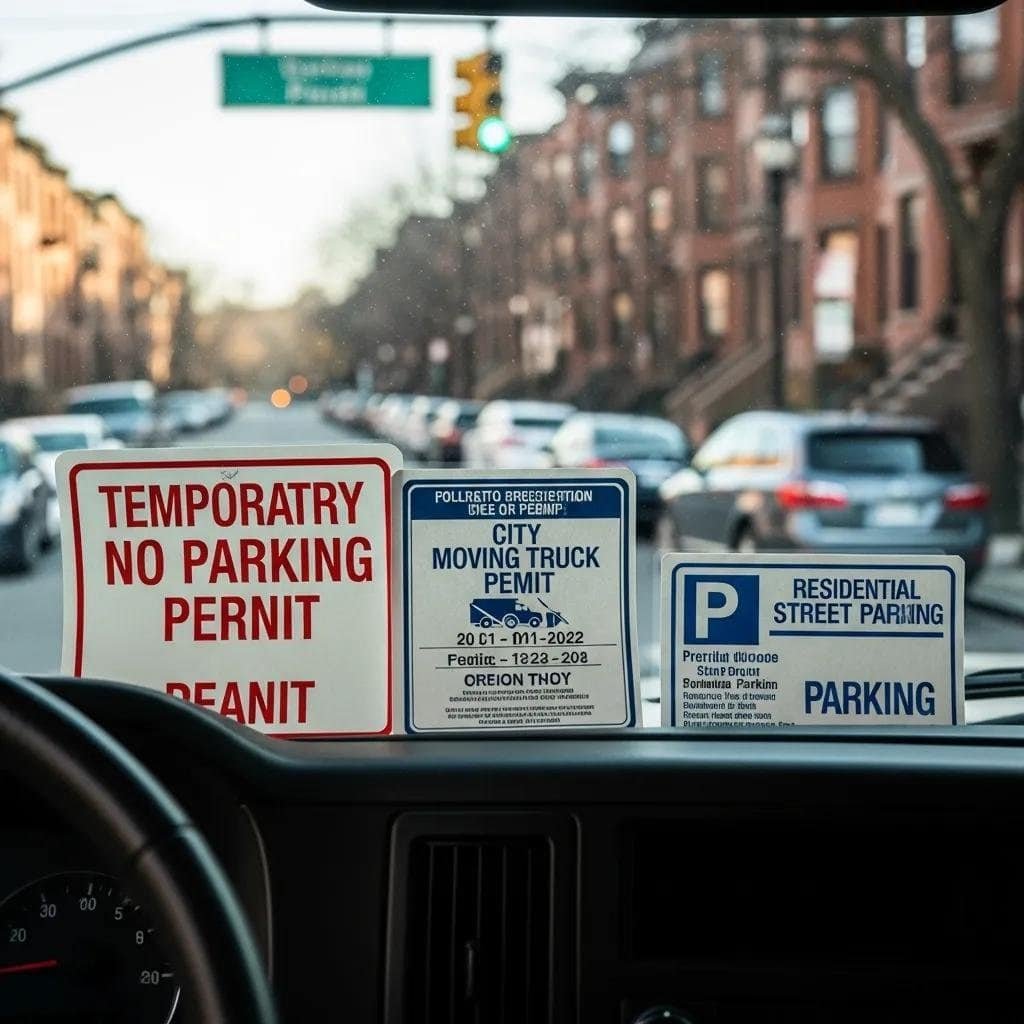
Close-up of parking permits on a moving truck dashboard in Boston

The main permit types used for moves are:

  • Loading Zone Permit: for using designated loading areas to load or unload furniture and boxes.
  • Street Closure Permit: for temporarily blocking a street or sidewalk during a move.
  • Temporary Parking Permit: to park moving trucks in restricted or metered spots without getting ticketed.

Choose the permit that matches what you need on moving day.

In practice, smaller residential moves often need only a temporary parking or loading permit, while larger moves — especially those requiring space for multiple large trucks or a temporary fenced area — may need a street closure or more complex arrangement. Discuss your needs with the issuing office if you are unsure which category fits your situation.

How to Reserve Parking Spaces

To reserve parking for your moving vehicle, check availability for your street and desired time, complete the reservation form (usually on the city’s website), and wait for confirmation. Keep your confirmation with you on moving day to show enforcement officers if needed.

Reservation steps typically include selecting the location on a map, specifying the number of spaces and hours required, and uploading any supporting documents. After submission, monitor your email for the confirmation or any follow‑up requests; do not assume a reservation is final until you receive written confirmation.

When to Reserve

Reserve your space as early as possible — we recommend at least 10 business days before your move. Peak moving season fills up quickly, so earlier reservations reduce stress and improve your chances of getting the exact time and location you need.

If your move falls during a holiday, major city event, or university move‑in period, allow extra lead time. Some neighborhoods have high demand on weekends and month‑end dates, so booking earlier can mean the difference between an acceptable slot and rearranging your move.

Moving Day Rules

Moving truck parked in a Boston loading zone with local parking signage

On moving day, make sure your permit is visible in the vehicle. Moving trucks are typically allowed to park in permitted spaces for up to 4 hours — check local signs for neighborhood‑specific rules. Following posted regulations prevents tickets and keeps your move on schedule.

Use a clear holder or place the printed permit on the dashboard where it is easily seen through the windshield. If your permit includes specific times, adhere to them strictly. Have a backup plan (nearby legal parking or a secondary vehicle) in case enforcement arrives early or a posted sign is interpreted differently than expected.

Who Needs a Permit

Anyone parking a moving vehicle in a restricted area — residents, businesses, or moving companies — needs the appropriate permit. Confirm eligibility and any additional requirements before your move.

Academic and policy research also examines how permit distribution and parking supply decisions affect cities broadly.

Parking Permit Distribution & Policy

Examines parking‑permit distribution and how parking supply and permit‑trading policies influence outcomes.

Parking permits management and optimal parking supply considering traffic emission cost, X Zhang, 2018

What Happens If You Move Without a Permit

Moving without the required permits can lead to fines, tickets, or towing — all of which add cost and stress. To avoid these consequences, secure the right permits before your scheduled move.

If an enforcement officer issues a citation, keep all application paperwork and receipts; many cities offer an appeal or review process. Contact the issuing office promptly if you believe a citation was issued in error and follow their instructions for contesting charges. Resolving issues quickly can reduce added fees and administrative delays.

On‑street enforcement and permit management are common topics in urban planning studies, reflecting the operational challenges cities face.

On-Street Parking Permits & Enforcement

Proposes a model using Lidar and license‑plate recognition to prioritize resident permits and describes a layered enforcement approach with warnings and fines to handle unauthorized parking.

Efficient on-Street Parking Management: Priority Parking Permits for Residents Integrated with Digital Systems, Case of Istanbul, H İnaç, 2025

Other Things to Keep in Mind

Additional considerations include permit duration, rules about transferring permits, and any special conditions for your neighborhood. Read the permit terms closely so you know how long it’s valid and whether any restrictions apply.

If your plans change, ask the issuing office about extensions, amendments, or reissuance — some permits can be modified if requested in advance. Also confirm whether you can display digital confirmation on a phone or if a printed permit is required, especially in areas with strict enforcement practices.

How do I apply for a Moving Permit in Boston?

Follow these steps to apply:

  1. Gather your documents: proof of residency, photo ID, and vehicle information.
  2. Fill out the application: complete the official form accurately.
  3. Submit the application: send it to the city department for processing and keep your confirmation.

Completing each step carefully reduces delays.

What are the step-by-step requirements for the Moving Permit Application Process?

The requirements are straightforward:

  1. Collect required documents: residency proof, ID, and truck details.
  2. Complete the form: provide accurate information on the application.
  3. Submit and follow up: file the application and track its status with the issuing office.

Following this checklist helps ensure approval before your move.

Which documents and fees are needed for a Boston Moving Permit?

You will typically need:

  • Documents:Proof of residency or ownershipValid IDMoving vehicle details
  • Fees: Moving parking permits are commonly $25 per space per day; other permits may cost more depending on the request.

Having everything ready speeds up processing.

If you represent a business or professional mover, include any required company credentials and proof of insurance with your submission. Keeping a checklist for each permit requested prevents missing attachments that can cause processing delays.

What types of Temporary and Residential Parking Permits are available for moves?

Common permits for moves include:

  • Loading Zone Permit: for short‑term loading and unloading in designated zones.
  • Street Closure Permit: for temporarily blocking a street or sidewalk.
  • Temporary Parking Permit: for parking moving vehicles in restricted spots during the move.

Select the permit that matches your logistics and vehicle size.

How do Temporary Parking Permits differ from Residential and Commercial Permits?

Temporary permits are issued for short‑term moves and generally apply across residential and commercial contexts. Commercial moves may need additional permits or approvals depending on vehicle size and the scope of the move. Check requirements specific to commercial operations to avoid surprises.

When in doubt, describe the vehicle dimensions and the length of time you’ll need the space. The issuing authority can advise whether a temporary permit is sufficient or whether a commercial‑grade permit is required.

What are the eligibility criteria and restrictions for each Parking Permit type?

All moving trucks parked in restricted areas must display a valid permit. Typically, permitted parking for moving trucks is limited to 4 hours per location unless otherwise specified. Confirm any time limits or neighborhood exceptions before you arrive.

Key City of Boston Moving Regulations and Recent Updates

Boston periodically updates moving and parking rules. Recent updates have clarified permit requirements and streamlined parts of the application process to make it easier to obtain permits online and plan moves with fewer delays.

Which new parking and moving rules were introduced in the 2026 Boston regulations update?

Recent changes reinforce a few points, such as:

  • Required permits for moving trucks: all moving trucks must display a valid parking permit when parked in restricted areas.
  • Improved application details: certain application steps have been simplified to speed approvals.

These adjustments are intended to improve on‑street operations and reduce conflicts on move days.

How do these regulations affect moving day parking and permit validity?

The regulations mean you should have your permit clearly displayed and follow any posted time limits or special neighborhood rules. Staying compliant prevents tickets and helps your move proceed without interruptions.

Small operational changes may affect when enforcement typically begins or whether temporary signs can be posted. Review the permit confirmation carefully for any site‑specific instructions to avoid misunderstandings with local enforcement officers.

How can I ensure Moving Day Parking Compliance and avoid fines?

To avoid fines, follow these practical steps:

  1. Obtain the right permits well before moving day.
  2. Follow local signs and regulations where you park.
  3. Reserve spaces early so you aren’t scrambling at the last minute.

Being proactive is the best way to avoid enforcement issues.

Common Parking Restrictions and Loading Zone Rules During Moves

Typical restrictions include:

  • Time limits: moving trucks usually have a limited parking window in permitted areas.
  • Permit display: permits must be visible while the vehicle is parked.
  • Loading zone rules: many loading zones have specific hours or require permits for use.

Check local signage and your permit terms so you know what’s allowed.

Fines and Penalties for Violations During a Move

Consequences for noncompliance can include:

  • Fines for parking without the proper permit.
  • Towing or ticketing if the vehicle is parked illegally.

Securing permits and following posted rules is far cheaper than paying fines or towing fees.

Long‑Distance Moving Permits and Parking Considerations

For long‑distance moves, take these items into account:

  • Documentation: ensure you have the required paperwork for both origin and destination cities.
  • Application differences: long‑distance moves may involve different rules or additional permits compared with local moves.

Plan ahead so both ends of the move comply with local and federal regulations.

When coordinating an interstate move, contact the destination city’s permitting office early to confirm differences in permit timelines, vehicle restrictions, or inspection requirements. Synchronizing pickup and delivery slots between cities reduces waiting time and unexpected fees.

How Long‑Distance Moving Permits Differ from Local Permits

Local permits are governed by city rules, while long‑distance moves must also follow state and federal regulations for transport. Verify both sets of requirements when planning an interstate move.

Are there specific parking regulations for commercial moving trucks on long distance moves?

Yes. Commercial trucks may need permits tailored to their size and operation, and loading‑zone rules for commercial vehicles can differ from residential moves. Confirm any additional permit types your moving company might require.

How do Storage and Parking Permits interact during a move?

If you’re using temporary storage, you may need both storage permits and parking permits, depending on where your vehicle or container will be located. Coordinate both permits to avoid conflicts and ensure continuous legal use of the space.

What permits are required for temporary storage and associated parking zones?

Typical needs include:

  • Parking permits for vehicles or containers in restricted spots.
  • Loading zone permits for moving items between storage and the truck.

Confirm requirements with the city office that issues permits for your neighborhood.

How to coordinate multiple permits for smooth moving and storage compliance

Coordinate permits effectively by:

  1. Identifying all required permits for moving, parking, and storage.
  2. Applying early for each permit to allow for processing time.
  3. Aligning schedules so permit times and locations don’t conflict.

Good coordination reduces the chance of enforcement problems on moving day.

Frequently Asked Questions

What should I do if I forget to apply for a moving permit?

Act quickly: contact the city department that issues permits and ask about expedited options. If you can’t secure a permit before moving, be prepared for the risk of fines and consider rescheduling the move if possible.

Can I transfer my moving permit to another person?

Most moving permits are non‑transferable and issued to the applicant. If circumstances require a transfer, contact the issuing office to learn whether they allow exceptions and what steps are needed.

Are there any restrictions on moving during certain hours in Boston?

Yes. Many areas restrict moving during peak traffic hours or set neighborhood‑specific rules. Check local signage and any permit conditions to identify allowed moving hours and avoid disruptions.

What happens if my moving truck is towed?

If your truck is towed, contact the city’s parking authority or local police to find the towing company and impound location. Be prepared to pay towing and storage fees as well as any fines. Prevent this by confirming permit coverage and following posted rules.

How can I find out about changes to moving regulations in Boston?

Stay up to date by checking the City of Boston’s official website, signing up for city notifications, or following neighborhood associations and community boards. These sources typically announce regulatory changes first.

What should I do if I encounter issues with my parking permit on moving day?

If a permit is missing, unclear, or not displaying properly, contact the city’s parking authority right away and have your application or confirmation ready. If needed, move the vehicle to avoid fines while you resolve the issue.

Can I apply for multiple permits for different locations on the same day?

Yes — you can apply for multiple permits for the same day, but you must meet the requirements for each one and provide the necessary documentation. Processing times can vary, so apply well in advance.

Conclusion

Understanding Boston’s moving permit process takes a little planning, but it’s the best way to avoid fines and delays. Gather the necessary documents, apply early, and choose the right permits for your situation. With the right preparation, moving day in Boston can be straightforward — start by reviewing the city’s resources and reserving your permits today.

Finally, allow extra time on moving day for unexpected issues and keep all permit confirmations and receipts together. A calm, well‑documented approach reduces stress and helps ensure your move goes smoothly.

Business Relocation & Logistics Guide Boston

Boston Business Relocation & Logistics Guide — Expert Commercial Moving and Office Relocation Solutions

Relocating a business in Boston takes careful planning and precise execution. This guide gives you practical strategies and checklists to manage the move—from logistics and timelines to permits and insurance. Common challenges like downtime, staff disruption, and coordination issues are manageable when you follow a structured approach. Below we outline planning steps, best practices, and legal considerations to help you transition with minimal disruption.

Relocation & Logistics Overview for Boston Businesses

Business relocation is a sequence of strategic actions that move your operations from one site to another with as little interruption as possible. It includes core logistics services such as packing, transport, and unpacking, all tailored to your company’s needs. Solid planning is the foundation: evaluate the new space, set realistic timelines, and allocate the right resources. Prioritizing these elements helps reduce downtime and keeps your business running.

When assessing the new facility, consider infrastructure and operational fit beyond square footage. Confirm available power capacity, data closet or server room layout, telecom demarcation points, HVAC zones for sensitive equipment, and access for large deliveries. These technical details often drive service requirements and vendor selection and should inform the inventory and move sequence.

Maintain a project timeline that maps decisions to milestones: lease start and end dates, permit application windows, IT cutover, furniture delivery, and staff orientation. A timeline that connects these milestones to responsible owners makes it easier to spot conflicts and reassign resources before they cause delays.

1. Planning a Successful Commercial Move

Strong planning is the foundation of any successful commercial move. Start by assessing your current and future locations to spot potential obstacles and opportunities. Build a detailed checklist to track tasks and deadlines. Keep stakeholders—employees, vendors, and landlords—aligned through clear, ongoing communication. These steps reduce surprises and keep the relocation on schedule.

Research consistently shows that meticulous preparation is essential for a smooth office relocation project.

Office Relocation Planning & Project Management

Any office move, even for a small team, is a significant project. This paper outlines the detailed planning required, common challenges, and how a formal project plan guides execution. Efficient planning is a decisive factor in successful relocations. Efficient Planning: Key for Effective Relocation, 2015

Assign a single project lead and a small core team with clear responsibilities: vendor management, IT and telecom, facilities and construction coordination, HR and employee communications, and finance. Having named owners for each workstream reduces overlaps and ensures accountability. Use a shared project tool or centralized spreadsheet to log status, owners, and due dates.

Develop an inventory catalog that tags major assets, records serial numbers where appropriate, and marks items that require special handling. Include furniture, AV equipment, servers, point-of-sale devices, specialized machinery, and high-value inventory. This catalog supports accurate quotes from movers and speeds reconciliation after the move.

2. Expert Commercial Moving Services

Professional movers packing office equipment during a commercial relocation

Hiring professional movers reduces risk and speeds up the process. Commercial moving companies offer tailored services that match business needs. Typical offerings include:

  1. Packing and Unpacking: Trained crews pack sensitive equipment and inventory to protect it during transit.
  2. Transportation: Coordinated transport plans ensure timely delivery to your new location.
  3. Specialized Services: Options often include IT relocation, secure storage, and furniture disassembly/reassembly.

Using these services saves time and helps ensure the move is handled with care and professionalism.

When you request estimates, ask providers to describe their process for fragile or mission-critical items. Good movers will outline asset tagging on arrival, protective wrapping, surge protection for electronics, and clear chains of custody for sensitive equipment. Require proof of insurance limits and confirm procedures for claims and damage mitigation.

Discuss site-specific plans: staging areas, elevator reservation scheduling, loading zone coordination with building management, and protective measures for hallways and floors. This level of detail in the scope of work prevents surprises on move day and often reduces overall cost by preventing last-minute changes.

3. Logistics for Office and Corporate Relocation

Logistics planner coordinating an office move with maps and packing materials

Logistics determine how smoothly your move unfolds. Important logistical considerations include:

  • Packing Strategies: Use proper packing methods and quality materials to prevent damage in transit.
  • Transportation Planning: Coordinate vehicle types, routes, and timing so everything arrives when needed.
  • Building Access: Confirm loading dock access, elevator reservations, and any building rules at the new site.

Addressing these elements early improves efficiency and reduces last-minute setbacks.

Academic studies highlight logistics KPIs and detailed planning as critical to a smooth facility relocation.

Logistics Planning for Facility Relocation

The analysis emphasizes that identifying and managing logistics KPIs should be a top priority during relocation planning to secure operational continuity and a smooth transition. Impact analysis of logistics facility relocation using the analytic hierarchy process (AHP), S Opasanon, 2013

Adopt a labeling and staging convention for boxes, crates, and equipment that maps directly to the floor plan of the new office. Labels should include destination room, responsible department, priority (e.g., critical, high, normal), and contents summary. This small discipline dramatically reduces time spent during unpack and setup.

Plan for IT and telecom staging well before move day: pre-staging network switches, testing circuits, pre-configuring racks where possible, and scheduling a dedicated IT crew for cutover. If possible, perform a network readiness check at the new site to confirm coverage, speeds, and access policies before moving critical operations.

Account for temporary storage and phased move options when space or scheduling requires a staged relocation. Secure short-term storage to avoid bottlenecks and ensure inventory is tracked consistently between the origin, storage, and final destination.

4. Best Practices for a Smooth Transition

To minimize disruption, follow these proven best practices:

  1. Communication: Keep stakeholders informed at every stage to set expectations and reduce uncertainty.
  2. Engagement: Involve employees in planning to increase buy-in and surface practical concerns early.
  3. Post-Move Evaluation: Review the move afterward to capture lessons and improve future relocations.

Applying these practices makes the move more predictable and less stressful for everyone involved.

Create a communication cadence with targeted messages for different audiences: executive summaries for leadership, detailed timelines for managers, and practical checklists for staff. Share move-day schedules, parking and entry instructions, and workspace assignments in advance to reduce confusion.

Run a pilot or soft move for a single team or department when feasible. A smaller-scale run exposes process gaps and gives teams experience with the new floor plan, network access, and desk setups. Use feedback from the pilot to refine labels, staging, and IT cutover procedures before the full move.

Establish contingency plans for common failure modes: late arrivals, elevator outages, keycard provisioning delays, and unanticipated equipment damage. Define escalation contacts and decision authority so the project lead can act quickly on move day without requiring consensus from a large group.

5. Legal and Regulatory Considerations

Addressing legal and regulatory issues protects your company during a move. Key areas to review include:

  • Permits Required: Check for any municipal permits or street use approvals needed for loading and moving.
  • Insurance Considerations: Confirm coverage for damage, loss, and liability during transit and handling.
  • Compliance with Local Regulations: Review zoning, signage, and lease obligations at both locations to avoid surprises.

Clarifying these items ahead of time reduces risk and prevents delays.

Start conversations early with building management at both locations to confirm required vendor credentials, insurance certificates, and access procedures. Many commercial buildings require movers to provide proof of liability insurance, worker certifications, and a list of scheduled move times.

For street-level moves that require curbside loading or temporary parking restrictions, contact the city or municipal parking authority early to secure permits. Permit lead times vary by city block and season; planning these requests into your timeline reduces the chance of last-minute denials or fines.

What Are the Essential Steps in Corporate Office Relocation in Boston?

Key steps that guide a corporate relocation include:

  1. Assessment and Planning: Map needs at both sites and identify potential pain points.
  2. Creating a Moving Checklist: Use a detailed checklist to assign responsibilities and track progress.
  3. Stakeholder Communication: Keep employees, vendors, and landlords informed throughout the process.

Following these steps keeps the relocation organized and on track.

Include a vendor matrix that lists all third parties (cleaning services, AV professionals, security badge vendors, telecom providers) with contact names, contract references, and scheduled service windows. This matrix prevents coordination gaps and clarifies who is responsible for each component of the move.

How to Develop a Strategic Corporate Moving Plan for Boston Businesses

A strategic moving plan should cover these components:

  • Defining Move Scope: Set clear goals and the scope of work to align resources and priorities.
  • Budgeting for the Move: Build a realistic budget that accounts for services, downtime, and contingencies.
  • Creating a Timeline: Outline milestones, deadlines, and critical milestones to monitor progress.

A well-documented plan reduces surprises and helps you stay within budget and on schedule.

When budgeting, include soft costs such as internal staff hours, overtime, and temporary productivity losses. Factor in contingency reserves for unexpected vendor charges or last-minute site repairs. A transparent budget shared with leadership helps avoid scope creep and secures timely approvals.

Document acceptance criteria for the new space: what constitutes a successful handover for IT, facilities, and HR. Use these criteria during the move to verify that the new office meets operational needs before declaring the project complete.

What Are the Key Timelines and Milestones in Office Relocation?

Typical timelines and milestones include:

  1. Start Early: Begin planning three to six months before the move for medium-to-large offices.
  2. Establish Clear Deadlines: Assign deadlines for packing, IT migration, and move-in tasks to ensure accountability.
  3. Regular Updates: Share frequent status updates so everyone knows progress and any adjustments.

Sticking to these timelines helps keep the move predictable and efficient.

Break the timeline into weekly sprints during the final eight weeks. Each sprint should produce deliverables: vendor confirmations, completed packing for specific zones, IT migration test windows, and finalized move-day staffing. Regular sprint reviews help surface risks early and keep the project on track.

How to Use a Business Moving Checklist for a Smooth Office Move in Boston?

A moving checklist keeps tasks visible and priorities clear. Include these items:

  • Essential Items: Identify mission-critical equipment and materials that move first.
  • Timeline Management: Assign deadlines and owners for every task to prevent bottlenecks.
  • Tips for Effective Execution: Add practical packing and labeling tips to speed unpacking and setup.

A clear checklist makes coordination easier and reduces the chance of forgotten items.

Structure the checklist by phase and by department so teams can see their responsibilities at a glance. Add a reconciliation column for post-move verification so each team can sign off on delivered items and report any discrepancies immediately.

What Items Should Be Included in a Detailed Office Move Checklist?

Make sure your checklist covers:

  1. Assess Needs: Document space, power, network, and furniture needs for the new office.
  2. Budgeting: List projected costs and a contingency fund for unexpected expenses.
  3. Logistics Planning: Schedule transportation, packing, storage, and IT migration steps.

These elements help your team stay organized during every phase of the move.

Also include items related to people and process: updated business cards and stationery, HR notifications, benefits administration changes tied to location, and third-party vendor address updates for billing and deliveries.

Where Can You Download a Comprehensive Business Moving Checklist for Boston?

Comprehensive checklists are available from local moving companies, business associations, and economic development resources. Downloadable templates often include timelines, vendor checklists, and permit reminders—use them to ensure you cover every critical task in your relocation.

If you use a downloadable template, customize it for your organization. Remove irrelevant items, add company-specific tasks (such as lab decommissioning or regulated waste handling), and map each line item to an owner and due date so the checklist becomes an actionable tool rather than a generic document.

What Commercial Moving Services Are Available in Boston for Businesses?

Boston movers offer services to meet a variety of business needs, such as:

  • Local Moving Services: Ideal for moves inside the Boston metro area with shorter timelines and lower transport costs.
  • Long-Distance Moving Services: Designed for interstate or regional relocations that require more logistics planning.
  • Labor-Only Moving Services: Provides skilled crews for packing and loading while you arrange transportation or storage separately.

These options let you pick the right level of support for your move.

Consider blended approaches: hire labor-only crews for internal moves or phased desk relocations and a full-service provider for the main physical transfer. This hybrid model can reduce cost while preserving professional handling for the most complex stages.

How Do Local and Long-Distance Commercial Moving Services Differ?

The main differences between local and long-distance movers are scope and logistics:

  • Cost Structures: Local moves usually cost less because travel times and permits are simpler.
  • Service Focus: Local teams may offer more customized service; long-distance providers emphasize coordination and scheduling.
  • Regulatory Differences: Long-distance moves can involve additional permits and interstate regulations.

Knowing these differences helps you pick the provider that matches your move’s complexity.

Ask prospective vendors to explain how they handle delays, overnight storage, and chain-of-custody for long-haul shipments. Understanding these operational nuances helps you evaluate true value beyond the headline price.

What Are the Benefits of Labor-Only Moving and Storage Solutions?

Labor-only and storage options are useful when you want control and flexibility. Benefits include:

  1. Cost-Effectiveness: You pay only for the labor you need, which can be more affordable than full-service packages.
  2. Flexibility: Scale labor and storage to fit phased moves or staggered timelines.
  3. Professional Assistance: Skilled crews handle heavy or sensitive items safely, even when you manage transport.

These solutions work well for companies that want to mix in-house resources with professional labor.

Use short-term storage to stage equipment and supplies ahead of final setup. Label storage items by priority and team so you can pull critical items quickly on move day without sifting through boxes.

How to Request Accurate Quotes and Understand Pricing for Business Moves in Boston?

To get transparent quotes, follow these steps:

  • Researching Companies: Shortlist reputable movers, review testimonials, and verify licenses and insurance.
  • Requesting Detailed Estimates: Ask for itemized, written estimates that break out labor, materials, and extras.
  • Understanding Pricing Factors: Know what affects price—distance, cargo volume, special handling, and timing.

Comparing detailed quotes helps you choose a provider that balances cost and service level.

Provide bidders with the inventory catalog and clear photos of origin and destination spaces so they can see access constraints, stair runs, and elevator sizes. Accurate site intelligence reduces contingency additions in bids and produces more comparable proposals.

What Factors Influence Commercial Moving Service Costs in Boston?

Major cost drivers include:

  • Size and Complexity of the Move: More items, specialty equipment, or staged moves increase labor and time.
  • Distance of the Move: Longer routes and travel times raise transport and fuel costs.
  • Labor Requirements: The number of movers and required hours have a direct impact on price.

Understanding these factors lets you plan a realistic budget.

Also consider soft costs such as extended IT vendor support, temporary workspace rental, and employee overtime. Capturing these items in your financial plan gives a more accurate picture of total relocation cost.

How to Use Quote Request Forms to Get Transparent Pricing?

Use quote forms effectively by doing the following:

  • Gathering Information: Provide exact square footage, inventory lists, and any special handling needs.
  • Requesting Multiple Quotes: Compare several bids to see variations in scope and pricing.
  • Comparing Services: Evaluate not just price but insurance, timelines, and included services.

A thoughtful request process produces clearer, more comparable estimates.

Include expectations for cancellation policies, rescheduling charges, and overtime rates in the request so proposals include these variables up front. This transparency prevents surprises if your timeline shifts.

What Are the Best Practices for Eco-Friendly and Flexible Business Relocation in Boston?

Green and flexible practices lower impact and can support your brand values. Recommended actions include:

  • Sustainable Strategies: Choose recyclable or reusable packing materials and limit single-use packing.
  • Logistical Considerations: Optimize routes and consolidate shipments to reduce fuel use and emissions.
  • Adaptability in Planning: Build contingencies into timelines so plans can shift without disruption.

These measures improve sustainability while keeping your move efficient.

Partner with movers who offer reusable crates or bin systems rather than cardboard. Track and plan donation or recycling events for unwanted furniture and office supplies, and document disposal for any regulated materials to meet corporate sustainability targets.

How Are Boston Businesses Adapting to Hybrid Work Models in Relocation?

As hybrid work grows, businesses are redesigning moves to support flexible work. Common approaches include:

  • Eco-Friendly Moving Services: Choosing movers that offer reusable materials and lower-emission fleets.
  • Digital Solutions: Using project management and virtual collaboration tools to coordinate the move remotely.
  • Employee Engagement: Involving staff in workspace design and scheduling to better match hybrid needs.

These adaptations help organizations build agile offices that support remote and in-person work.

Allocate space for collaboration hubs, touchdown areas, and quiet zones in the new layout to support a mix of focused and collaborative work. Offer clear guidelines for desk booking and communal resource use to avoid friction once teams begin occupying the new space.

What Eco-Friendly Moving Options Are Offered by Professional Movers Boston?

Many Boston movers now provide greener alternatives, such as:

  • Reusable Packing Materials: Crates and bins that reduce waste and lower long-term costs.
  • Fuel-Efficient Vehicles: Movers investing in cleaner vehicles cut emissions during transport.
  • Donation Pickups: Coordinating donations of unwanted items to reduce landfill waste and support local charities.

These options let you make more sustainable choices without sacrificing service quality.

Ask vendors for a sustainability plan that notes how they handle packaging materials, disposal pathways for unwanted items, and options for carbon-offset services if available. Documenting sustainability choices can also support corporate reporting requirements.

Which Office Moving Companies in Boston Offer Trusted and Professional Business Moving Services?

When evaluating office movers, prioritize companies that demonstrate:

  • Criteria for Choosing Movers: Proven experience with commercial moves, relevant licenses, and strong safety practices.
  • Reputation and Reviews: Positive client feedback and case studies that speak to performance.
  • Services Offered: A service mix that matches your needs—IT moves, storage, phased relocation, and more.

Careful vetting helps you find a partner who can deliver on schedule and on budget.

Request references for similar projects in your industry or of similar scale. Speaking directly with peers about their experience—particularly handling of problems and responsiveness—offers practical insight beyond marketing claims.

How Does Movers Boston Compare to Other Top Boston Moving Companies?

Movers Boston distinguishes itself through a combination of service breadth and customer focus. Notable strengths include:

  • Service Offerings: Comprehensive solutions for commercial and corporate relocations.
  • Pricing Structures: Competitive pricing with transparent estimates and clear scopes of work.
  • Customer Satisfaction: Strong ratings and repeat business from satisfied clients.

These factors contribute to Movers Boston’s reputation as a dependable choice for business moves.

When comparing providers, evaluate how each handles exceptions and how clear their standard operating procedures are for equipment handling, inventory tagging, and claims processing. The best partners provide written SOPs and a clear escalation path for incidents.

What Customer Testimonials and BBB Accreditations Support Movers Boston’s Reputation?

Customer feedback and accreditations help validate a mover’s reliability. Look for:

  • Importance of Testimonials: Detailed client testimonials that describe the move and outcomes give insight into performance.
  • BBB Accreditation Benefits: Accreditation signals a commitment to ethical practices and dispute resolution.
  • Trust Signals for Customers: Awards, certifications, and transparent policies build confidence when choosing a provider.

These trust signals make it easier for businesses to select a reputable moving partner.

Also review case studies that show how the mover handled complex or phased relocations, including any unexpected obstacles and the resolutions applied. Real-world examples reveal how a vendor performs under pressure.

What Are Common FAQs About Business Relocation and Logistics in Boston?

Here are answers to frequently asked questions about business relocation in Boston:

  1. How Long Does an Office Move Typically Take in Boston?: Duration varies with size and complexity, but most office relocations are completed within one to three days for the physical move; planning and setup can span weeks to months.
  2. What Commercial Moving Insurance Options Are Available for Boston Businesses?: Options range from basic liability coverage to full-value protection—review policies carefully to match the value and sensitivity of your assets.

Frequently Asked Questions

What Should Businesses Consider When Choosing a Moving Company in Boston?

Evaluate reputation, verified reviews, proper licensing, and insurance. Confirm the company’s experience with commercial moves and the availability of services you need—packing, secure IT handling, storage, and flexible scheduling. Compare detailed quotes and ask for references to make an informed choice.

How Can Businesses Minimize Downtime During a Relocation?

Minimize downtime by planning a phased move, scheduling major work during off-hours or weekends, and preparing detailed cutover plans for IT and critical operations. Communicate roles clearly and use professional movers to speed setup at the new site.

What Are the Key Legal Requirements for Business Relocation in Boston?

Legal requirements depend on your move’s scope. Common items include street or loading permits, signage regulations, lease obligations, and zoning rules. Review lease terms for both locations and consult legal counsel for any complex compliance questions.

How Can Businesses Ensure Employee Satisfaction During a Move?

Engage employees early, solicit input on workspace needs, and share regular updates. Offer support like flexible schedules, temporary remote work, or relocation assistance when appropriate. A welcome event and clear resources for the new space help everyone settle in.

What Are the Benefits of Hiring Professional Movers for a Business Relocation?

Professional movers bring logistics expertise, proper equipment, and trained crews that reduce damage risk and speed up setup. They handle heavy or sensitive items safely and free your team to focus on business continuity.

What Should Be Included in a Post-Move Evaluation?

Include employee feedback, a review of timelines and KPIs, an assessment of logistics performance, and a checklist of unresolved items. Use the findings to update your moving playbook and make future moves smoother.

How Can Businesses Adapt Their Relocation Strategies for Remote Work Trends?

Design spaces for hybrid work with flexible zones and collaboration areas, invest in collaboration technology, and choose locations that balance commute preferences. Involving teams in planning ensures the space supports both in-office and remote workflows.

Conclusion

A well-planned relocation in Boston can improve operations and employee experience. With expert moving partners, detailed logistics planning, and attention to legal and sustainability considerations, you can reduce downtime and move confidently. Use the resources and checklists above to guide your move and make informed decisions every step of the way.

Document the project outcomes and archive your plans, vendor feedback, and post-move evaluations to build an organizational playbook. This captured knowledge reduces planning time and risk for future relocations and helps your organization move with greater confidence and efficiency.

College Moving Guide for Boston Students

Boston Student Moving Services: The Complete Moving Guide for College Students

Moving to college in Boston is exciting, but it can also feel overwhelming. With so many nearby schools — from Boston University to Harvard — students face unique challenges when relocating. This guide gathers practical tips on planning, packing, and transportation, plus ways to find trustworthy movers and stick to a budget. Read on for checklists, service options, and local resources that make move day simpler and less stressful.

Beyond logistics, it’s important to recognize the emotional side of relocation — moving can affect mental health, especially during stressful or uncertain times.

College Student Relocation & Mental Health

The long-term effects on students who relocated during the pandemic are still being studied. Koire (2021) examined mandated campus relocations and symptoms of posttraumatic stress among college students during COVID-19, highlighting the mental-health risks tied to abrupt moves.

College student mental health risks during the COVID-19 pandemic: Implications of campus relocation, A. Koire, 2021

Comprehensive Guide for Boston Students on Moving Services

Boston movers often design services with students in mind. Knowing the types of help available — and planning ahead — makes it easier to choose the right option for your timeline and budget. This guide walks through local movers, labor-only help, and student-focused services so you can pick what fits your move.

1. Essential Planning Tips

Desk with a moving checklist and packing supplies to illustrate planning tips for students

Good planning is the backbone of a smooth move. Start with a timeline that lists key tasks and deadlines. Your timeline should include:

  1. Gather important documents: Keep leases, IDs, housing paperwork, and any move-related emails together and easy to access.
  2. Confirm details with movers: Talk through arrival windows, parking or elevator access, and any fragile items so everyone knows what to expect.
  3. Set a moving budget: Account for truck rental or mover fees, packing supplies, tipping, and possible storage costs.

Following a clear plan reduces last-minute stress and helps the whole day run smoother.

2. Packing Strategies

Packing smart saves time and prevents damage. Try these practical strategies:

  1. Stock up on essentials: Boxes, strong tape, bubble wrap, and markers will make packing faster and safer.
  2. Declutter first: Donate or sell items you won’t use — moving fewer things saves money and space.
  3. Label clearly: Mark each box with contents and destination room to speed up unpacking.

These habits help you stay organized and make unpacking after move-in much easier.

3. Transportation Options

Moving truck parked on a Boston street alongside a bike, showing transportation options for moves

Boston students have several practical transportation choices depending on distance and budget. Understanding each option helps you pick the most effective approach.

Local Moving Services

Local movers handle short-distance moves and usually offer:

  • Full-service moves: Movers pack, load, transport, and unload for you.
  • Self-service moves: Rent a truck and do the packing and loading yourself to cut costs.

Labor-Only Moving

Labor-only crews handle heavy lifting without providing transport. This is a great choice if you have access to a vehicle but need muscle to load or unload.

Specialized Moving Services

Some companies tailor services specifically for students, offering:

  • Dorm-room moves: Designed for tight hallways and move-in procedures on campus.
  • Flexible scheduling: Options that work around peak move-in times and student timetables.

Service TypeDescriptionPrice Range
Local Moving ServicesFull-service or self-service options available$300 – $800
Labor-Only MovingAssistance with loading/unloading only$100 – $300
Specialized ServicesTailored for dorm room moves and flexible timing$200 – $600

Compare these options to match your needs — whether you want someone to handle everything or just need extra hands for heavy items.

4. Resources for a Smooth Moving Experience

Make move day easier by using available resources around Boston:

  1. Professional packers: Hiring pros can speed up the process and protect fragile items.
  2. Moving insurance: Consider coverage to protect valuables during transport.
  3. Storage solutions: Short- or long-term storage can be useful if you don’t have space between leases.

Using these services can reduce hassle and help you focus on settling in.

5. Additional Tips for Students

Beyond planning and packing, keep these extra tips in mind:

  1. Plan around the academic calendar: Coordinate move dates with campus check-in times to avoid conflicts.
  2. Research movers: Read reviews, check references, and compare quotes before committing.
  3. Ask about student discounts: Many companies offer lower rates or special packages for students.

Little steps like these can save time and money.

What Essential Steps Should Boston Students Follow on Move-In Day?

On move-in day, follow a simple sequence to stay calm and efficient:

  1. Arrive early: Early arrival helps secure parking and gives you buffer time for delays.
  2. Check in with housing staff: Confirm procedures, pickup locations, and any key or access details.
  3. Unpack essentials first: Set up the bedroom and kitchen basics so you have what you need right away.

These steps keep the day organized and help you settle in faster.

How to Prepare a Boston Move In Day Checklist for Students

A simple checklist prevents forgotten items. Include:

  • Confirmed moving date and time
  • All necessary documents
  • Essentials bag: toiletries, a change of clothes, chargers, and important papers for your first night.
  • Utility readiness: verify internet, electricity, and other services where possible.

Keeping this checklist handy helps the whole process feel manageable.

Which Packing Tips Help Boston Students Move Efficiently?

Try these time-saving packing techniques:

  1. Use suitcases for clothes: Saves space and makes transport easier than boxed clothes.
  2. Pack room by room: One room at a time reduces confusion and speeds unpacking.
  3. Fill gaps: Use small items to fill empty spaces in boxes to prevent shifting.

These tips make loading, transporting, and unpacking smoother.

What Are the Best Dorm Room Packing Strategies for Boston Students?

Maximize limited dorm space with these approaches:

  1. Use vertical storage: Shelves and wall hooks free up floor area.
  2. Choose multi-use furniture: Beds or seating with built-in storage add valuable space.
  3. Organizational bins: Clear bins or labeled containers keep things easy to find.

Smart storage choices help you create a functional, comfortable dorm room.

What Local Moving Services Are Available for Boston Students?

Boston has several student-friendly moving options, such as:

  1. Student movers: Focus on affordable, student-specific solutions.
  2. Boston Moving Company: Larger providers offering packing and storage.
  3. College Movers: Companies that emphasize flexible timing and student needs.

Search locally and compare services to find the best match for your move.

How to Choose Affordable Movers for Students in Boston

Use these steps to find budget-friendly movers:

  1. Compare quotes: Get estimates from several companies to see reasonable rates.
  2. Read reviews: Look for consistent positive feedback and clear pricing.
  3. Ask about discounts: Many movers offer student or seasonal discounts — always ask.

With a little research, you can locate reliable movers without overspending.

What Flexible Boston Student Moving Services Does Movers Boston Offer?

Movers Boston lists student-focused options including:

  1. Short-notice moves: Help for last-minute schedules.
  2. Customizable packages: Pick only the services you need.
  3. Storage solutions: Short- and long-term storage for between-semester needs.

Flexible choices like these make it easier to adapt to changing plans.

How Can Boston Students Utilize Storage Solutions During Semester Breaks?

Storage is especially useful over breaks. Consider these approaches:

  1. Short-term rentals: Store items safely for the length of the break.
  2. On-campus options: Some schools offer convenient student storage.
  3. Look for student rates: Many facilities provide discounts for students.

Choosing the right storage option saves the hassle of moving everything home.

What Types of Student Storage Solutions Are Available in Boston?

Common storage choices include:

  1. Self-storage units: Secure, rentable spaces for personal items.
  2. Portable containers: Delivered to you for easy packing and pickup.
  3. On-campus facilities: Convenient for students living in residence halls.

Select a solution that balances convenience, security, and price.

How to Select the Right Storage Duration and Facility for Student Needs

Pick storage thoughtfully by considering:

  1. How much space you need: Estimate volume so you don’t overpay for unused space.
  2. Facility features: Prioritize security, access hours, and location.
  3. Rental length: Match the rental term to academic breaks or your move timeline.

Reviewing these factors helps you choose storage that fits your schedule and budget.

When Should Boston Students Consider Labor-Only Moving Services?

Labor-only help makes sense in several situations:

  1. You have a vehicle: If you can transport items but need help moving heavy pieces.
  2. On a tight budget: Labor-only options are usually cheaper than full-service moves.
  3. For short moves: Good for local transfers where transport isn’t needed.

This approach can save money while ensuring heavy items are handled safely.

What Are the Benefits of Labor-Only Moving for Boston Students?

Labor-only services offer clear advantages:

  1. Lower cost: You pay for help with heavy lifting, not vehicle or full packing.
  2. Flexible help: Book only the hours or services you need.
  3. Speed: Experienced crews can move items quickly and efficiently.

These benefits make labor-only a smart choice for many student moves.

How to Book Labor-Only Moving Help in Boston

Book reliable labor-only help by following these steps:

  1. Search local providers: Look for companies or apps that list hourly labor crews.
  2. Request quotes: Compare hourly rates and minimums so you know the total cost.
  3. Reserve early: Popular time slots fill up during move-in weeks — book ahead when possible.

Advance planning ensures the crew you want is available on your moving day.

What Should Out-of-State Students Know About Long Distance Moving to Boston?

Long-distance moves require added preparation. Keep these points in mind:

  1. Plan extra time: Coordinate arrival, housing check-in, and any deliveries well in advance.
  2. Vet movers: Choose companies with long-distance experience and clear pricing.
  3. Factor in costs: Expect higher shipping and insurance costs for longer moves.

Good planning reduces surprises and helps your arrival go smoothly.

How to Plan a Long Distance Move to Boston for College

Key steps for a successful long-distance college move:

  1. Build a timeline: Schedule packing, pickup, and arrival dates with buffer time.
  2. Pick a trusted mover: Look for companies with long-distance reviews and transparent policies.
  3. Prepare arrival logistics: Confirm housing, keys, and utility setup before you reach Boston.

Following these steps lets you focus on settling in when you arrive.

What Are Cost-Effective Options for Long Distance Student Moves?

Save money on long-distance moves with these tactics:

  1. Share a truck: Coordinate with other students to split costs.
  2. Rent and DIY: Drive a rented truck if you’re comfortable handling the move yourself.
  3. Move off-peak: Rates can be lower outside peak move-in windows.

These choices can significantly reduce the total cost of a long-distance move.

How Can Boston Students Budget and Find Discounts for Moving Services?

Keep moving costs under control with these tips:

  1. Create a line-item budget: Include movers, supplies, parking permits, and incidentals.
  2. Ask about student discounts: Many companies have special pricing for students.
  3. Price-compare: Get multiple quotes and look for bundled services that offer savings.

Smart budgeting and asking the right questions can lower your moving expenses.

What Affordable Movers for Students Boston Options Exist?

Some practical, budget-friendly options include:

  1. Student-focused movers: Companies that specialize in affordable student moves.
  2. Local independent movers: Often competitive on price with flexible scheduling.
  3. DIY with help: Rent a truck and recruit friends to reduce labor costs.

Compare these options to find the best mix of price and convenience for your situation.

How to Access Student Moving Discounts and Special Offers in Boston

Find discounts by trying these approaches:

  1. Ask movers directly: Call and request student or seasonal discounts.
  2. Check campus resources: Housing offices or student affairs may share partner discounts.
  3. Use aggregator sites: Platforms that compare movers sometimes list promotional rates for students.

A few quick calls or searches can often uncover meaningful savings.

What Local Regulations and Tips Should Boston Students Know for a Smooth Move?

Follow these local rules and best practices to avoid hassles:

  1. Parking permits: Check for required permits for moving trucks in your neighborhood.
  2. Building rules: Confirm any elevator reservations or move-in procedures with your housing office.
  3. Time your move: Some areas limit moving hours — plan accordingly to avoid fines.

Observing local rules prevents unexpected delays and fines on move day.

How Do Boston Moving Regulations Affect Student Moves?

Regulations can influence several parts of your move:

  1. Permit needs: Some streets or buildings require permits for loading zones.
  2. Restricted hours: Neighborhoods may limit when heavy moving activity can occur.
  3. Building policies: Dorms and apartments often have specific move-in procedures to follow.

Check regulations early to build them into your move plan.

What Are Key Move-In Day Logistics for Boston College Students?

Coordinate these details for a smoother move-in:

  1. Confirm check-in times: Verify when housing opens so you don’t arrive too early or late.
  2. Coordinate with your movers: Share any building rules or access codes in advance.
  3. Have an unpacking plan: Prioritize essentials so you can rest after a long day.

Clear communication and a simple plan make move-in day far less stressful.

Frequently Asked Questions

What should students do if they encounter issues with their moving service?

First, contact the moving company and describe the problem clearly, noting dates, times, and any evidence (photos or receipts). Ask for next steps and request written confirmation of any resolutions. If the issue isn’t resolved, escalate through the company’s customer service or file a formal complaint with local consumer protection agencies. Leaving an honest review helps other students make informed choices.

How can students ensure their belongings are protected during the move?

Consider buying moving insurance or checking what coverage the mover includes. Use sturdy boxes, wrap fragile items well, and label boxes marked “fragile.” Keep valuables and important documents with you rather than in the moving truck. If possible, supervise loading and unloading so items are handled carefully.

What are the best practices for moving into a shared living space?

Talk with future roommates before moving in: discuss shared responsibilities, common items, and furniture plans. Agree on basic rules around cleaning and guests, and consider a shared calendar for bills and chores. Communication up front reduces friction later.

How can students manage their time effectively on move-in day?

Create a schedule that includes arrival, check-in, and unpacking priorities. Arrive early to secure parking and avoid peak congestion. Assign tasks to helpers — one person handles check-in while others unload. Keep an essentials box so you can set up quickly and relax sooner.

What should students do if they need to change their moving date?

Contact your moving company as soon as possible to discuss rescheduling and any fees. Confirm new check-in times with housing or the landlord, and notify friends or family helping with the move. Early communication minimizes extra charges and scheduling conflicts.

Are there any specific packing tips for fragile items?

Wrap each fragile item individually with bubble wrap or paper, cushion boxes fully, and avoid overpacking. Place heavier items on the bottom and lighter, fragile pieces on top. Clearly mark boxes as “fragile” and consider a separate box to carry personally with your most delicate items.

What resources are available for students needing help with moving logistics?

Your university housing office is a great starting point — they often provide move-in guidance and partner discounts. Online platforms let you compare movers and read reviews. Campus groups and community boards can connect you with student-specific moving help or shared-transport opportunities.

Conclusion

Moving in Boston doesn’t have to be chaotic. With a clear plan, smart packing, and the right local services, you can simplify move day and focus on settling into campus life. Use this guide to compare options, budget wisely, and tap student-friendly resources. Start your planning early — a little preparation goes a long way toward a smooth transition. Before you book, compare reviews and policies, verify exact costs, and confirm move-in rules with your housing office. Pack an essentials bag and keep important documents and valuables with you. If you’re coordinating with friends, assign clear roles and communicate arrival windows. Consider public transit options for small items and local parking regulations for larger vehicles. Finally, save contact details for your mover and campus housing on your phone, and schedule a short break during move day to rest and avoid burnout. With these final checks, your move will be organized, safer, and more enjoyable.

Long-Distance Moving From Boston: Complete Guide

Long-Distance Moving From Boston: The Practical Guide to Cross-Country & Interstate Moves

Moving long distance from Boston brings extra planning, logistics, and decisions. This guide breaks down what to expect from cross-country and interstate moving services, how to choose reputable movers, and which cost factors matter most. We address common pain points — like coordinating logistics, protecting valuables, and understanding regulations — with clear, actionable advice so you can move with confidence.

Across the article you’ll find practical checklists, scheduling tips, and questions to ask prospective movers. Use this as a working reference: bookmark sections that apply to your situation, and copy the checklist items into your own planning document so nothing is overlooked.

What “Long-Distance Moving” Means and Why a Plan Matters

Long-distance moving usually means traveling over 100 miles or crossing state lines. That increases complexity: packing, transport, timing, and liability all require careful coordination. This guide outlines the services movers offer and the steps you should take to plan a smooth relocation from Boston.

Note the difference between shorter interstate moves and cross-country relocations: transit windows, overnight stops, and carrier routing can vary widely. Allow extra days for pickup and delivery estimates, and build buffer time into your schedule for weather, permitting, or local delivery constraints.

Types of Long-Distance and Cross-Country Moving Services

Long-distance moves come in several service levels to match different needs and budgets:

  • Full-Service Moving: Movers handle packing, loading, transport, unloading, and unpacking — a turn-key option for less stress.
  • Self-Service Moving: You pack and unpack; the mover handles transportation. Good if you want to save on labor costs.
  • Specialized Moving: For pianos, antiques, fine art, or other high-value/fragile items that need special equipment and handling.

Each option has trade-offs in cost, convenience, and control. Pick the one that fits your timeline, budget, and comfort level.

When deciding, consider time on the road (longer transit may require additional packing or crating), how many specialty items you own, and whether you want movers to handle inventory and claims documentation. These factors often tilt the balance toward full-service solutions for cross-country moves.

How to Choose Reliable Movers

Person researching moving companies on a laptop in a home office

Selecting the right mover reduces risk and stress. Use these practical checks:

  1. Verify Licensing and Insurance: Confirm the company is properly licensed for interstate work and carries insurance that covers loss or damage.
  2. Read Reviews and References: Look for consistent, recent feedback from real customers to assess reliability and service quality.
  3. Assess Experience and Reputation: Consider how long the company has been operating and whether they’ve handled moves similar to yours.
  4. Confirm Written Estimates & Inventory: Ask for an itemized, written estimate and a clear inventory process (in-home or video survey). Ensure the contract specifies dates, services, and any accessorial fees so you can compare offers accurately.

Doing this homework helps you avoid surprise fees, delays, or damaged items.

Cost Factors to Budget For

Know what drives long-distance moving costs so you can plan your budget accurately:

  • Distance & Weight: Longer routes and heavier loads increase the quote.
  • Get Detailed Estimates: Ask for itemized quotes from several movers to compare services and fees.
  • Negotiate Where Possible: Some fees are flexible — ask about discounts, off-peak dates, or bundled services.

Clear estimates and a realistic budget reduce surprises on moving day.

Service TypeCost EstimateDescription
Full-Service Move$2,000 – $5,000Comprehensive service including packing, loading, and unloading.
Self-Service Move$1,000 – $3,000You pack, and the company provides transportation.
Specialized ServicesVariesTailored services for items like pianos or antiques.

Use the table above to compare typical price ranges, then request precise quotes for your home’s inventory and route.

Also budget for deposits, potential fuel surcharges, packing materials, and tips for crews. Ask movers about refundable deposits, cancellation windows, and how fuel or tolls appear on the final invoice so there are no last-minute surprises.

Key Logistics to Plan

Manage the process with a few essential actions:

  1. Create a Timeline: Map out packing, pickup, transit, and arrival dates so nothing is left to chance.
  2. Declutter First: Sell, donate, or discard items you don’t need — less to move = lower cost.
  3. Notify Important Parties: Update utilities, banks, subscriptions, and the post office with your new address.

These steps will keep the move organized and reduce last-minute problems.

Prepare a room-by-room inventory and label boxes with room names and basic contents. Simple color-coded labels or numbered lists make unloading and unpacking much faster and help when filing claims for lost or damaged items.

Specialized Moving Services You Might Need

For certain situations, specialized services provide better care and efficiency:

  • Senior Moving Services: Extra support and coordination for seniors transitioning to assisted living or downsizing.
  • College Moving Services: Short-term, student-focused logistics for campus moves and storage.
  • Specialty Item Handling: Crating, climate control, and specialty lifts for fragile or high-value pieces.

Choose specialists when standard movers can’t meet handling, timing, or safety requirements.

For antiques, art, or instruments consider independent appraisals or written valuations before the move. That documentation speeds claims and helps you decide whether additional insurance or custom crating is warranted.

Preparing for Your Move

Preparation makes a long-distance move manageable. Try these practical tips:

  1. Start Early: Begin planning at least two months out, more if you need specialized services.
  2. Use a Checklist: Track tasks like transfer of utilities, packing schedules, and paperwork.
  3. Confirm Bookings: Reconfirm your mover and any storage or transport reservations a week before moving day.

Advance work reduces stress and helps the move stay on schedule.

Adopt a packing sequence: start with nonessentials (off-season clothing, books), then move to decorative items, and finish with daily essentials. Keep a separate “first-night” box with toiletries, chargers, a change of clothes, and basic kitchen items so you can function while longer shipments are unpacked.

Timing and Scheduling Tips for a Boston Interstate Move

When you move affects price and availability. Keep these timing tips in mind:

  • Best Times to Move: Late spring and early fall often have better weather and more availability than peak summer.
  • Avoid Peak Seasons: Summer and month-ends are busiest — prices and wait times can rise.
  • Watch the Weather: Boston winters can add delays; plan extra buffer time if moving in colder months.

Smart scheduling can save money and headaches.

Where possible, book mid-week and mid-month when availability and rates are often better. If you need curbside pickup in Boston or at your destination, reserve parking permits or loading zone time in advance to avoid municipal delays on move day.

Interstate Regulations That Affect Your Boston Move

Moving across state lines triggers specific rules. Be sure you understand:

  • Licensing & Registration: Interstate movers must be properly registered to operate across state lines.
  • Insurance Requirements: Know the carrier’s liability limits and consider supplemental coverage for high-value items.
  • Consumer Rights: Read contracts carefully so you understand cancellation policies, claims procedures, and your protections.

Knowing the rules helps prevent surprises and enforces accountability when something goes wrong.

Keep a copy of the bill of lading and the signed inventory — these documents are the basis for any claims. Note deadlines for filing damage or loss claims and retain original receipts for replacement costs where possible.

Massachusetts-Specific Rules to Keep in Mind

If you’re leaving Massachusetts, pay attention to state rules that affect movers and consumers:

  • State Regulations: Massachusetts enforces consumer protections and has standards for moving businesses operating in-state.
  • Consumer Protections: Learn your rights around estimates, deposits, and damage claims.
  • Documentation: Keep written contracts, insurance details, and inventory lists handy throughout the move.

These precautions help you handle disputes and verify services after the move.

How Interstate Rules Change Your Moving Plan

Regulatory requirements can influence scheduling, cost, and provider choice. Consider:

  • Compliance Needs: Work with movers who clearly document compliance to avoid delays at state lines.
  • Effects on Cost & Timing: Additional paperwork or required insurance can affect both price and scheduling.
  • Consumer Safeguards: Rules exist to protect you — use them if you need to dispute charges or damages.

Understanding these impacts helps you plan a realistic timeline and budget.

Storage Options for Long-Distance Boston Moves

Climate-controlled storage units and staff assisting a customer

Storage often plays a role in long-distance moves. Common options include:

  • Short-Term Storage: Temporary units used while you transition between homes.
  • Long-Term Storage: Secure, extended storage if your new place isn’t ready yet.
  • Climate-Controlled Storage: Protects sensitive items from humidity or temperature swings.

Match storage type to how long and how carefully you need items preserved.

When choosing storage, verify insurance coverage for stored goods and inspect climate control, pest control, and security protocols. Photograph high-value items before placing them in storage and retain a copy of the storage contract showing dates and access rules.

Choosing the Right Storage for Your Boston Move

Pick a storage option by evaluating:

  1. Space Needs: Inventory your items to estimate unit size accurately.
  2. Location & Access: Closer facilities save time, especially during move-in or move-out.
  3. Security Features: Look for gated access, cameras, and climate control when needed.

These criteria will help you balance cost, convenience, and protection.

Why Integrated Storage Services Help Long-Distance Moves

Integrated storage (where movers and storage are coordinated) can simplify your move:

  • Smoother Coordination: Fewer handoffs between providers reduce scheduling friction.
  • Flexible Timing: You can stage pickup, storage, and delivery to fit your timeline.
  • Better Protection: Professional storage partners offer improved security and handling for stored items.

Integrated options are worth considering if timing or multiple transfers are part of your plan.

If you expect to store items for an extended period, ask about inventory audits and periodic condition checks so you can address any issues early.

How Labor-Only Services Can Help Your Boston Move

If you’re renting a truck or handling transport yourself, hiring movers only for labor can be budget-friendly. Benefits include:

  • Lower Cost: You pay just for the hands-on work, not the full moving package.
  • Flexible Service Options: Tasks can include loading, unloading, or packing assistance.
  • Best Use Cases: Ideal when you have transport but need extra muscle or expert handling.

Labor-only teams are a practical middle ground between DIY and full service.

Ensure any labor-only crew you hire follows safe lifting practices and brings appropriate equipment (dollies, straps, moving blankets). Confirm whether the crew carries liability coverage for on-site incidents.

When to Pick Labor-Only Movers

Consider labor-only movers in these scenarios:

  • DIY Transport: You drive the truck and hire help for heavy lifting and loading.
  • To Save Money: Labor-only reduces fees tied to transport or long-haul services.
  • Tight Timelines: Extra hands speed up loading and unloading when time is limited.

Use labor-only services to fill gaps in your moving plan without paying for full-service transport.

Tasks Labor-Only Movers Typically Handle

Labor-only crews commonly perform:

  • Loading & Unloading: Safe lifting and secure placement of items in trucks.
  • Packing Assistance: Help with wrapping, boxing, or crating to prepare items for transport.
  • Heavy Lifts: Trained teams move bulky, awkward, or heavy pieces efficiently and safely.

These services reduce risk of injury and speed up your move.

Current Trends and Cost Drivers in Boston Long-Distance Moving

The industry continues to change. Watch for these trends that affect pricing and service:

  • Fuel & Labor Shortages: Higher fuel costs and fewer available crews can push up prices and reduce availability.
  • Growing Demand for Storage: More customers need storage during transitions, affecting capacity and rates.
  • Transparency in Pricing: Customers prefer clear, itemized quotes to avoid surprises.

Following these trends will help you plan realistic budgets and timelines.

Technology is also shaping moves: expect more companies to offer digital inventories, GPS tracking for long-haul shipments, and mobile-friendly claim submission processes that speed resolution.

How Fuel and Labor Shortages Have Affected Costs Since 2024

Fuel and labor pressures have pushed moving costs higher and occasionally constrained service windows. Keep these points in mind:

  • Higher Transportation Costs: Fuel price volatility raises carrier operating costs, which movers pass on to customers.
  • Reduced Service Availability: Fewer crews can mean longer lead times for scheduling moves.
  • Ways Consumers Can Manage Costs: Flexible dates, decluttering, and comparing itemized quotes help control expenses.

Understanding these pressures helps you set expectations and plan contingencies.

Why Transparent Pricing Matters More Than Ever

Transparent, itemized pricing is now a key differentiator for reputable movers. It helps in three ways:

  • Builds Trust: Clear quotes reduce disputes and make it easier to understand what you’re paying for.
  • Competitive Edge: Movers who show exact costs stand out and make decisions easier for customers.
  • Common Pricing Models: Many companies now provide detailed breakdowns for fuel, labor, packing materials, and insurance.

Ask for a written, itemized estimate to compare offers fairly.

Where to Get Help and Quotes for Long-Distance Moves From Boston

Use these channels to find and evaluate moving partners:

  • Contact Reputable Movers Directly: Speak with customer service to clarify services and timelines.
  • Online Comparison Platforms: Compare multiple quotes and read verified reviews in one place.
  • Request Full Estimates: Ask for in-home or virtual surveys so quotes reflect your actual inventory.

Combining direct outreach with online research yields the best picture of value and availability.

Whenever possible, request an in-person walkthrough or a live video survey; these produce more accurate inventories and reduce the chance of post-move adjustments to the quote.

How to Use Online Tools and Contact Pages to Get Accurate Quotes

Streamline quote collection with these steps:

  • Visit Company Websites: Fill out online forms with accurate details about inventory and destinations.
  • Use Quote Forms Carefully: Provide square footage, number of rooms, and specialty items for better estimates.
  • Compare Thoroughly: Look beyond price — check insurance, timing, and included services.

Clear, consistent input produces quotes you can compare apples-to-apples.

Supplement forms with photographs or short walkthrough videos of each room — companies use these to match labor and packing needs more accurately, and it reduces the chance of an in-person discrepancy when the crew arrives.

Customer Support Options for Boston Interstate Moves

Good customer support reduces moving stress. Typical options include:

  • Multiple Contact Methods: Phone, email, and live chat let you get answers quickly.
  • Support Hours: Check availability and emergency contacts, especially around move day.
  • Self-Help Resources: FAQs, checklists, and guides are useful for planning and troubleshooting.

Prefer companies that provide proactive communication and clear escalation paths.

Ask whether the mover assigns a dedicated move coordinator or point of contact for your shipment — a single coordinator can streamline updates and resolve issues faster than multiple handoffs.

Frequently Asked Questions

What should I do if my moving date changes unexpectedly?

Notify your mover immediately. Most companies allow rescheduling but availability and fees vary. Provide your new date and confirm any cost or timeline changes in writing. Keep copies of all communications so you can reference agreed-upon terms if needed.

How can I ensure my belongings are protected during the move?

Use sturdy boxes and quality packing materials, label fragile items, and create an inventory with photos. Ask about the mover’s insurance and consider buying additional coverage for high-value items. Transport irreplaceable items in your personal vehicle when possible.

Also retain receipts for high-value purchases and consider photographing serial numbers. For very valuable items, ask movers about valuation options and whether they offer replacement or declared-value protection beyond basic liability.

What are the benefits of using a moving checklist?

A checklist breaks the move into manageable steps, sets deadlines, and prevents last-minute oversights. Include tasks like utility transfers, packing by room, and confirming bookings. Checking items off reduces stress and helps you stay organized.

How do I handle moving with pets?

Plan accommodations and vet records in advance. On moving day, keep pets in a quiet room or with a trusted friend to reduce stress. Use secure carriers for travel, provide familiar items, and reestablish routines quickly in your new home to help pets adjust.

What should I do if I encounter issues with my moving company?

Document everything — photos of damage, timestamps, and written communication. Contact the company’s customer service first, then escalate to management if needed. If unresolved, file complaints with the Better Business Bureau or your state consumer protection agency and review your contract for claims procedures.

Are there any tax deductions available for moving expenses?

As of 2023, moving expense deductions are generally limited to active-duty military relocating under orders. Most civilians cannot claim moving costs under the Tax Cuts and Jobs Act. Consult a tax professional or IRS guidance for your specific case.

What are the best practices for packing fragile items?

Use reliable boxes and wrap items individually with bubble wrap or packing paper. Add cushioning on all sides, avoid overpacking, and label boxes “FRAGILE.” For valuable pieces, consider custom crating or transporting them yourself to minimize risk.

Gather basic supplies in advance: tape, markers, packing paper, bubble wrap, and a reliable box cutter. Place heavier items in small boxes, lighter but bulky items in larger boxes, and always pad the bottom and top of boxes to prevent shifting in transit.

Conclusion

A successful long-distance move from Boston comes down to planning, informed vendor selection, and clear communication. Know your service options, compare transparent estimates, and prepare an inventory and timeline. With the right approach — and trusted partners — you can reduce stress and make the transition to your new home smooth and predictable. Start by getting written quotes and checking licenses so you can move forward confidently.

Movers vs DIY: Cost & Effort Comparison

Movers vs. DIY: A Clear Cost and Effort Guide for Boston Moves

Deciding whether to hire pro movers or handle everything yourself is one of the biggest choices during a move. This guide breaks down the real costs, the physical labor involved, and the time each option typically takes — all with Boston-specific details. You’ll get clear comparisons of pricing, effort, and common hidden charges so you can choose the approach that fits your budget, schedule, and comfort level.

Hiring Movers vs. DIY in Boston: Costs, Time, and Effort

Side-by-side comparison of professional movers and DIY moving tasks

There’s no one-size-fits-all answer — each route has trade-offs. Professional movers bring speed, experience, and insurance; DIY gives you control and the chance to save money if you can handle the work. Below we walk through the main factors to help you decide which makes the most sense for your Boston move.

Pricing:

Moving costs vary by service, distance, and the amount you’re moving. Here’s a quick look at typical ranges so you can budget accordingly:

Service TypeCost RangeDescription
Local Residential Moves$400 to $2,000Depends on distance and how much you’re moving.
Long-Distance Moves$2,000 to $5,000+Costs rise with distance and extra services like packing or storage.
Truck Rental$20 to $100 per day plus mileageTypical expense for DIY moves using a rented truck.

Knowing these ranges makes it easier to compare quotes and decide which services are worth paying for.

Labor Requirements:

The labor picture looks very different depending on your choice. Full-service movers come with trained crews who pack, lift, load, and unload. If you go DIY, you’ll either handle those tasks yourself or hire hourly labor-only help — which can be physically demanding, especially for heavy furniture.

When estimating labor needs, list large items (sofas, mattresses, wardrobes, appliances) and note any stairs, tight corners, or buildings without elevators. Those details drive the number of movers, hours required, and whether special equipment (dollies, straps, furniture sliders) is needed. For DIY, count the number of strong helpers you can reliably schedule and plan shorter, realistic shifts to avoid injury and fatigue.

Time Investment:

Experience and resources speed up a professional move: crews often finish in hours rather than days. DIY moves usually take longer because you’re juggling packing, driving, and loading on your own, which can extend the process and increase stress.

Factor in prep time: gathering boxes, disassembling furniture, and labeling can take several days if you do it without help. Professionals include prep or offer packing services to compress tasks into a single day. For DIY, consider blocking full days (not just a few hours) and arranging backup helpers in case someone can’t make it on short notice.

Potential Hidden Costs:

Person reviewing additional moving expenses and hidden costs

Both options carry surprises. Movers may add fees for packing materials or extra services not included in the initial quote. DIY movers can face unexpected costs like damaged items, extra trips, or forgotten supplies. Factor these possibilities into your budget to avoid last-minute sticker shock.

Common charges to watch for include additional travel time if parking is far from the door, bulky-item fees, stair charges, and expedited scheduling premiums. Ask movers for a written estimate that lists optional fees and how they are triggered. If moving yourself, keep a small contingency fund to cover last-minute tool rentals, a second truck day, or replacement packing materials.

What Are the Total Costs of Hiring Professional Movers in Boston?

Hiring professionals in Boston involves several variables: local moves often fall between $400 and $2,000, while long-distance jobs can top $2,000 depending on distance and add-on services. Home size, item count, and things like packing, specialty handling, or temporary storage will all push the total up or down.

To arrive at a realistic total, gather three written estimates and compare line-by-line. Confirm whether estimates are binding or non-binding and ask how adjustments are handled if your actual inventory differs from what you quoted. Also check deposit requirements, payment timing, and accepted payment forms to avoid surprises at delivery.

Another cost element is insurance or valuation coverage. Movers often offer different levels of protection; basic carrier liability is typically limited and calculated per pound per item, while full-value protection costs more but covers repair or replacement. Review coverage details carefully and, if necessary, shop separately for third-party moving insurance to fill gaps.

How Do Local and Long Distance Moving Prices Compare?

Local moves are commonly billed by the hour, while long-distance moves are priced by weight and distance. That distinction matters when getting estimates — know how each company calculates fees so you can compare apples to apples.

For local, ask how many movers they’ll send and their estimated hourly rate and minimum hours. For long-distance, request a weight-based estimate and clarify which accessorial services (packing, stair carry, shuttle service) are included. Metered mileage, fuel surcharges, and delivery windows can also affect the bottom line.

When comparing long-distance quotes, request a binding estimate when possible. If you expect your final shipment to be larger or smaller than the estimate, discuss contingency processes and how reweighing works at origin and destination.

What Pricing Tiers and Services Affect Professional Moving Costs?

Basic moving services usually cover loading and unloading. Adding packing, unpacking, disassembly, specialty item handling, or storage increases the bill. Decide which extras are worth the convenience versus the added cost.

Common tiers include: labor-only (loading/unloading), standard move (transport plus loading/unloading), and full-service (packing, transport, unpacking, debris removal). Specialty items — pianos, antiques, pool tables, and large appliances — often carry per-item fees or require specialty crews. If you have these items, get specialized estimates and confirm mover experience with similar jobs.

Consider partial packing services as a compromise: hire pros to pack fragile items and valuable rooms while handling less delicate areas yourself. That approach can reduce hours and protect high-risk belongings while keeping costs down.

What Are the True Expenses and Considerations of DIY Moving?

DIY can look cheaper on paper but adds real costs: truck rental, fuel and mileage, packing supplies, and the risk of damaged items. Don’t forget the personal cost of time and physical exertion, which can translate into missed work or injury if you’re not careful.

Other less obvious costs include tolls, parking tickets if you misjudge permit needs near narrow Boston streets, and rental insurance for the truck. Many rental companies offer optional coverage for the vehicle and cargo; evaluate those options and your personal auto insurance coverage before declining them.

Work out a budget that includes a contingency for unplanned expenses. Factor in the value of your time by estimating hours spent preparing and moving and deciding whether that time could be better used elsewhere.

How Do Truck Rental and Packing Supplies Impact DIY Moving Costs?

Truck rental typically runs $20 to $100 per day plus mileage. Boxes, tape, padding, and moving supplies add up too. Budget for these items ahead of time so you aren’t surprised on moving day.

To save on supplies, look for free boxes at local stores or community groups, and reuse sturdy boxes. Borrow moving blankets and straps from friends or rent them with the truck. Use household linens to pad fragile items. If renting a truck for multiple days, watch for cumulative mileage charges; plan an efficient route and consolidate trips when possible.

What Time and Effort Investments Are Required for DIY Moves?

DIY moves demand significant time and energy: packing, loading, driving, and unloading can span several days. If you’re juggling work or family responsibilities, factor that extra time into your decision.

Create a realistic timeline that includes prep tasks (decluttering, packing nonessentials), the actual moving day, and post-move unpacking. Schedule helper shifts so no one is overextended and plan frequent breaks on moving day. If you’ll be driving a large truck, ensure you or someone in the group is comfortable with handling it, especially on narrow or crowded city streets.

How Do Labor-Only Moving Services Fit Into the Cost and Effort Equation?

Labor-only teams offer a middle path: you rent the truck and handle transport, but hire pros to do the heavy lifting. This reduces physical strain and speeds up loading/unloading while still saving on full-service transportation costs.

Labor-only is particularly useful in tight Boston buildings where maneuvering bulky items requires trained hands, or when you want to control timing and driving but lack the manpower to load and unload safely. Typical labor-only engagements are billed hourly with a minimum, so align timing expectations with your truck rental window to avoid extra waiting charges.

What Tasks Are Included in Labor-Only Moving Services?

Labor-only typically covers loading and unloading and can include packing help if requested. It’s a practical option when you want skilled hands for lifting but prefer to control the truck and timing.

Clarify what the crew will and won’t do. Some labor-only teams will move furniture across thresholds but not disconnect appliances or move hazardous materials. Agree on responsibilities ahead of time, including protection for floors, stairwells, and door frames, to avoid disputes on the day of the move.

How Does Labor-Only Compare to Full-Service and DIY Options?

Labor-only is usually cheaper than full-service because you’re excluding transport costs, but it still costs more than doing everything yourself. It strikes a balance between saving money and avoiding heavy physical work.

When pricing labor-only, compare the hourly cost plus minimums to the time you expect to need. If you can organize helpers for some tasks and use labor-only crews for the heavy lifting, you may achieve meaningful savings without sacrificing safety or speed.

How Do Storage Solutions Influence Overall Moving Costs and Effort?

Storage can simplify transitions — especially when you need to downsize or wait for a new place to be ready — but it adds monthly costs. Plan for storage if your move timeline or space constraints make it necessary.

Use storage strategically: keep only items you’ll need less frequently, choose short-term units for staging during a remodel or temporary housing, and consolidate belongings to reduce unit size and cost. Moving items into storage temporarily can reduce pressure on moving day and allow you to stage items into your new place more methodically.

What Are the Pricing and Availability of Storage Services in Boston?

Boston storage prices vary by unit type: standard units commonly run $120 to $300 per month, climate-controlled units about $150 to $400 per month, and drive-up units often range from $130 to $350 per month. Compare locations and features to find the best fit.

When choosing a storage facility, check access hours, security measures, insurance requirements, and whether the facility accepts deliveries directly from movers. Some storage providers offer short-term discounts or the first month free — factor those offers into your planning but read terms to avoid unexpected auto-renewal charges.

How Can Storage Options Optimize Your Moving Process?

Using storage gives you flexibility: stage belongings between homes, free up space for staging, or store seasonal items. That extra breathing room can make moving day less chaotic and more organized.

Plan the layout of your storage unit with access in mind. Place frequently needed items near the front and stack boxes so you can reach essentials without unpacking the entire unit. Label boxes clearly and create a simple inventory list linked to box numbers to save time when you retrieve items.

What Are the Key Effort and Time Differences Between Movers and DIY?

Professional movers reduce the physical and logistical load by handling packing, lifting, and transport. DIY means more hands-on work, longer timelines, and higher personal involvement — which can be rewarding but exhausting.

Beyond the physical effort, consider the mental load: coordinating friends, arranging truck pickup/drop-off, navigating city restrictions, and managing timelines can be time-consuming. Hiring professionals transfers much of that coordination to an experienced team who can anticipate and resolve common move-day issues.

How Much Physical Labor Is Required in DIY vs Professional Moves?

DIY moving often requires heavy lifting, long hours of packing, and multiple loading trips. Professional crews are trained to lift and move efficiently, which lowers the risk of injury and speeds the job.

If you choose DIY, invest in or borrow ergonomic equipment (shoulder straps, moving dollies) and learn safe lifting techniques: lift with your legs, keep the load close to your body, and avoid twisting while carrying heavy items. Recruit helpers in shifts to keep energy levels up and reduce risk of errors or accidents late in the day.

What Are the Typical Timeframes for Each Moving Method?

Professional moves can be completed in a few hours to a single day, depending on size. DIY moves commonly take several days, especially if you’re coordinating helpers or making multiple trips.

For mid-size apartments, expect a professional crew to complete loading and unloading within a standard workday, while a DIY effort may require two to three days of intermittent work. Long-distance moves have a different cadence: pickup and delivery dates can be separated by days or weeks depending on carrier schedules, so plan for that window when arranging temporary housing or storage.

What Are the Pros and Cons of Hiring Movers Versus Moving Yourself?

Hiring movers brings speed, expertise, and coverage for damages; it’s less work for you but usually costs more. DIY saves money and gives you control, but it requires more time, effort, and risk management. Match the choice to your priorities.

Make a decision matrix that prioritizes cost, time, and risk. Assign weight to each category based on your needs — for example, if avoiding time off work is critical, professional movers may be the better option even at a higher cost. If minimizing expense is the top priority and you have flexible time, DIY or a hybrid approach might make sense.

What Benefits Do Professional Movers Offer Over DIY?

Pros include trained crews, faster service, specialized equipment, and insurance options that protect your belongings. These benefits can make the extra cost worth it for many people.

Additionally, reputable movers know how to navigate building rules, obtain required parking permits, and coordinate with condo management or building superintendents. That institutional knowledge can prevent delays and last-minute fines, especially in dense urban areas like Boston.

What Challenges and Savings Does DIY Moving Present?

DIY can save money but comes with challenges: physical strain, longer timelines, and higher risk of damage. If you’re confident in planning and lifting, it’s a solid option; if not, the savings may not be worth the trade-offs.

To maximize savings while minimizing downsides, consider a hybrid approach: hire labor-only crews, do selective packing, or use a moving container service where you handle loading and the company handles transport. Each hybrid model shifts certain responsibilities while controlling costs.

How Can You Estimate and Compare Moving Costs Effectively?

Start by identifying major cost drivers — distance, volume, services needed — then get multiple quotes and compare line items. A detailed list of services and fees helps you evaluate which provider offers the best overall value.

Create a simple inventory: list rooms and major items, note special handling needs, and estimate number of boxes. Use that inventory to request accurate in-home estimates or virtual walkthroughs. Compare each estimate for what’s included, what’s optional, and how extra charges are computed.

What Tools and Checklists Help Calculate Accurate Moving Expenses?

Moving cost calculators and an expense-tracking spreadsheet are great tools. Use them to estimate truck rental, packing supplies, labor, and potential extras so you can budget realistically.

Build a three-column spreadsheet: expected cost, quoted cost, and actual cost. Track deposits, refunds, and reimbursable expenses if your employer covers part of the move. Keep receipts and document any damage or service issues to support claims later.

How Do Boston-Specific Factors Affect Moving Cost Estimates?

Boston’s narrow streets, parking restrictions, and frequent traffic can increase time on the job and complicate logistics. Expect those local factors to affect quotes and schedule planning.

Confirm parking logistics early: some neighborhoods require temporary parking permits, loading zone reservations, or advance notice to building management. If your move requires a shuttle (smaller truck to move items between a narrow street and a standard moving truck), include that cost when comparing estimates. Also, account for peak traffic times and weekend restrictions that may lengthen the move and increase labor hours billed.

Frequently Asked Questions

What Should I Consider When Choosing Between Movers and DIY Moving?

Think about your budget, how much you’re moving, and your physical limits. Consider timing, whether you need help with fragile or large items, and how much stress you’re willing to take on. Those factors will point you to the best option.

Also weigh indirect costs: lost work hours, childcare during the move, and potential medical attention for strains or injuries. If these indirect costs are high, hiring professionals can be more economical in the total-cost view.

Are There Any Insurance Options for DIY Moving?

Yes. You can buy moving-specific insurance or check whether your homeowner’s or renter’s policy covers items in transit. Read policy details carefully so you understand coverage limits and exclusions.

When renting a truck, the rental company will offer limited coverages. Compare those options with your current homeowner’s or renter’s policy and consider third-party movers’ insurance for high-value items. Document valuables with photos and keep receipts for anything with significant replacement value.

How Can I Minimize Stress During My Move?

Start early with a clear checklist and timeline. Ask friends or hire labor-only help for heavy lifting, and label boxes clearly. Staying organized, taking breaks, and keeping essentials handy on moving day will reduce stress.

Create a “first-night” box with toiletries, chargers, basic tools, snacks, and a change of clothes. Keep important documents, medications, and valuables with you rather than packing them in the moving truck.

What Are the Environmental Considerations for Moving?

Moving can have a carbon footprint. To reduce it, use reusable or recycled packing materials, donate unwanted items, and minimize trips by consolidating loads. Look for movers with sustainability practices if that matters to you.

Consider renting reusable plastic moving boxes that many local services supply and pick up after delivery. Donate or sell items you no longer need to reduce volume and the environmental impact of transport.

How Do I Handle Fragile Items During a Move?

Use sturdy boxes, plenty of padding, and clear “fragile” labels. Pack fragile items tightly so they don’t shift. If you’re worried, transport valuables in your own car or hire professionals who specialize in fragile-item handling.

Wrap each fragile item in cushioning material, double-box high-value pieces, and fill empty space with soft materials. For antiques or artwork, request specialty packing services to ensure proper crating and handling during transit.

What Are the Best Times of Year to Move in Boston?

Spring and fall are ideal: milder weather and lower demand than summer. Summer is the busiest and often more expensive. If possible, choose mid-week or mid-month for lower rates and better availability.

Also consider weather unpredictability in shoulder seasons and winter. Wet or icy conditions can slow loading and unloading and require more protective floor coverings inside buildings.

How Can I Ensure a Smooth Transition to My New Home?

Plan ahead: set a packing schedule, arrange utility transfers, and map out unloading priorities. Keep an essentials box for the first day, and give yourself time to unpack and settle in rather than rushing everything at once.

Before movers arrive at the new place, clean key areas and identify where major pieces should go so movers can place items quickly and accurately. Label rooms clearly on boxes and consider a simple color-coded system to speed unpacking.

Conclusion

Choosing between professional movers and a DIY move in Boston comes down to what you value most: time and convenience versus cost and control. Professional movers reduce stress and handle the heavy lifting; DIY can save money if you’re prepared for the work. Weigh costs, physical effort, and local logistics to pick the approach that suits your timeline and budget. For tailored help, explore our resources and service options to make your move as smooth as possible.

Final decision checklist: tally your inventory and constraints, get multiple detailed quotes, confirm access and parking requirements, plan for insurance, and decide whether a hybrid approach (labor-only, partial packing, or storage staging) best fits your needs. With realistic planning and clear communication, you can minimize surprises and make your Boston move efficient and manageable.

Ultimate Boston Moving Guide: Plan Your Move with Confidence

Ultimate Boston Moving Guide — Plan Your Move with Confidence

Moving in or to Boston can feel exciting and overwhelming all at once. This practical guide gives you the know-how to plan smartly and move with less stress. From choosing trustworthy movers to breaking down costs, we walk through the steps and common pitfalls so you can avoid surprises. Follow these tips and checklists to keep your move organized, on budget, and on schedule.

Boston neighborhoods vary in parking, building access, and permit requirements; factor local rules into your plan early. Small differences — a narrow townhouse stairwell, elevator reservation windows, or curbside parking restrictions — can affect time and cost on moving day. Taking a few extra minutes to confirm building policies, parking permit processes, and any required loading-zone reservations will help prevent delays and unexpected fees.

Selecting Reliable Movers

Couple discussing moving options with a professional mover to compare services

Picking the right moving company makes a big difference. Reliable movers protect your things and reduce day-of stress. Start by verifying licenses and insurance, read recent customer reviews, and ask for references when possible. Get several estimates so you can compare services and pricing — that way you choose a mover who fits your needs and your budget.

When comparing companies, request an on-site or virtual survey whenever possible so estimates reflect the actual inventory and access conditions. Ask how the company documents condition and value, what their claims process looks like, and whether estimates are binding. Confirm who will handle the move — the company listed on the estimate, a subcontractor, or a franchise partner — and insist on written terms that list services, fees, and cancellation policies.

Understanding Moving Costs

Moving expenses vary depending on distance, how much you’re moving, and the level of service you hire. Knowing what influences cost helps you budget accurately. Key factors include:

  1. Distance: Longer trips raise transport and fuel costs.
  2. Volume: More boxes and furniture usually mean higher packing and transport fees.
  3. Service Type: Full-service moves cost more than renting a truck or doing the packing yourself.

Below is a simple comparison of common service types and typical price ranges to help you estimate expenses for different move styles.

Service TypeCost EstimateDescription
Local Moving Services$100 – $200 per hourCharged by the hour for moves within the region.
Long Distance Moving$2,000 – $5,000Flat or mileage-based pricing depending on distance and shipment weight.
Packing Services$300 – $1,000Professional packing of belongings, priced by volume and time.

Use these ranges to plan your budget and avoid last-minute billing surprises on moving day. In addition to base charges, consider potential add-ons such as packing materials, flights of stairs, long carries from door to truck, elevator reservations, and fees for handling specialty items. Ask each mover to list likely extra charges so you can compare apples to apples.

Ensuring a Smooth Relocation Process

A smooth move comes from good planning and clear communication. Use these practical steps to keep things on track:

  • Create a Moving Timeline: Build a schedule that lists packing, booking movers, and utility setup deadlines.
  • Communicate Clearly with Movers: Share detailed inventory and any special handling needs so movers know what to expect.
  • Prepare for Moving Day: Pack essentials, label boxes, and stage items so loading is efficient and safe.

Documenting your inventory with photos and brief notes can speed claims processing if damage occurs. Keep digital copies of estimates, contracts, and receipts in a single folder that’s easy to access during the move. Confirm arrival windows with your movers the day before and share any access codes, elevator reservation confirmations, or special instructions to avoid confusion on moving day.

How Do You Plan a Successful Move in Boston?

Start with a clear plan and give yourself time — ideally 4–6 weeks. Make a checklist, collect important documents, and confirm arrangements with your movers. Address permit needs or building rules early so you don’t face last-minute roadblocks. Staying proactive reduces stress and keeps the day running smoothly.

Create a week-by-week roadmap: eight weeks before, begin decluttering and researching movers; six weeks, book your mover and reserve a truck or helpers if needed; four weeks, order supplies and start packing nonessentials; two weeks, arrange utilities and confirm paperwork; and the final days, pack essentials and label priority boxes. This staged approach spreads the work and helps avoid last-minute rushes.

What Are the Essential Steps in a Boston Moving Checklist?

A moving checklist keeps you organized and prevents missed tasks. Important items to include:

  1. Preparation Steps: Declutter, group items to donate or sell, and decide what to keep.
  2. Packing Strategies: Use quality materials and label boxes by room and priority.
  3. Change of Address: Notify banks, utilities, subscriptions, and the post office of your new address.

Also include practical tasks like transferring medical records, scheduling utility shut-offs and start dates, and arranging childcare or pet care for moving day. Listing contacts — building managers, parking permit offices, and the mover’s customer service number — ensures you can resolve issues quickly if they arise.

How Can You Prepare for Moving Day in Boston?

Good moving-day prep saves time and headaches. Try these tips:

  • Create a Moving Day Timeline: Note movers’ arrival, loading estimates, and when you’ll depart your old home.
  • Gather Packing Supplies: Have boxes, tape, markers, and padding ready well before the move.
  • Clear Pathways: Keep walkways and doorways free so movers can work quickly and safely.

Assemble a moving-day essentials bag with toiletries, chargers, a small toolkit, essential medications, and a change of clothes. If you have young children or pets, plan supervised activities or a caregiver for the day so movers can work efficiently. Label a few “open first” boxes with kitchen basics and bedding so you can function during the first night in your new home.

What Local Moving Services Are Available in Boston?

Boston has options for every need: full-service movers who handle everything, hourly local crews, truck rentals, and labor-only teams that load and unload your truck. Knowing the difference helps you choose the service that matches your timeline and budget.

Labor-only teams are useful when you rent a truck or use a DIY approach but need heavy-lifting help, while full-service movers work best for tight timelines or when you prefer a hands-off experience. Truck rentals suit budget-savvy moves if you’re comfortable driving a van or truck, but factor in parking and block time for loading and unloading in dense urban neighborhoods.

How to Choose Reliable Local Movers in Boston?

When vetting local movers, focus on these points:

  • Check Credentials and Licensing: Confirm the company is properly licensed and insured.
  • Read Customer Reviews: Look for consistent feedback about timeliness, care, and communication.
  • Request Detailed Estimates: Insist on written estimates that list all fees so you avoid surprises.

Ask movers about their experience with your type of building (stairs, narrow hallways, loading docks) and whether they provide specialty equipment for heavy or fragile items. Request a written inventory and confirm who will be on site. A reputable mover will be transparent about cancellations, rescheduling policies, and any deposits required.

How to Manage Long Distance Moving from Boston?

Long-distance moves require added planning. Create a timeline and inventory, communicate any fragile or high-value items, and decline unnecessary items before packing to cut costs. Clear communication with your mover about transit times and pickup/dropoff details is key.

Expect longer transit windows for long-distance shipments and ask about pickup and delivery windows rather than exact times. Verify how the carrier handles delivery notices, storage-in-transit if schedules don’t align, and whether you can track your shipment. Document the condition of valuable or fragile items before pickup with photos and receipts to streamline any claims process.

What Are the Key Considerations for Long Distance Moving Boston?

Keep these priorities in mind for long moves:

  • Start Early: Begin planning as soon as you know your move date to secure the best rates and availability.
  • Research Movers: Choose companies experienced with long-distance logistics and transparent pricing.
  • Budgeting for Long-Distance Moves: Include transport, packing, insurance, and possible storage fees in your budget.

Also consider customs or interstate regulations if crossing regional lines, and build a buffer into your timeline for potential delays. Decide whether you need temporary storage near your destination and confirm access and security features if you go that route.

How to Get Accurate Long Distance Moving Quotes in Boston?

To get reliable estimates, follow these steps:

  1. Provide Detailed Information: Share an accurate list of items, room sizes, and any specialty pieces.
  2. Understand Factors Affecting Quotes: Know that distance, weight, and service level all affect cost.
  3. Request Multiple Quotes: Compare offers from several movers to find the best combination of price and service.

Send photos or video walkthroughs when possible to help movers produce more accurate estimates. Clarify whether quotes are binding or non-binding, what deposit is required, and how cancellations or date changes are handled.

What Storage Solutions Support Your Boston Move?

Storage can bridge gaps in timing or space. Boston offers standard self-storage, climate-controlled units for sensitive items, and short-term options for transitional needs. Pick the solution that matches how long you’ll store items and what you need to protect.

Measure large items and sketch a floor plan of your unit to maximize space and avoid renting a larger unit than you need. If you store long-term, choose a facility with pest control, climate control if needed, and clear access hours so you can retrieve items when necessary.

Which Secure Storage Options Are Available in Boston?

When evaluating storage, consider these common options:

  • Self-Storage Units: Flexible, rentable spaces for short- or long-term needs.
  • Climate-Controlled Storage: Keeps temperature- and humidity-sensitive items safe.
  • 24/7 Security Features: Choose facilities with cameras, gated access, and on-site staff for added peace of mind.

Ask about insurance options offered by the facility versus independent policies, and check whether the facility enforces minimum access requirements or long-term contracts that could limit flexibility.

How to Select the Right Storage for Your Moving Needs?

Match the unit to your plan by reviewing these factors:

  • Type of Storage Needed: Decide if you need seasonal, short-term, or long-term storage.
  • Location and Security Features: Pick a convenient facility with strong security and access hours that work for you.
  • Rental Terms and Insurance: Read the contract and consider insurance to protect valuables in storage.

Consider ease of access if you’ll visit frequently, and whether the facility offers dollies or loading assistance. If moving fragile or heirloom items, choose climate control and clear handling policies to prevent damage over time.

How Does Moving Insurance Protect Your Boston Relocation?

Moving insurance gives you financial protection if items are lost or damaged during transit. Different coverages apply, so learn what each option covers before you commit. Proper coverage reduces stress after an unexpected mishap.

Take time to inventory high-value items and keep purchase receipts or appraisal records where possible. Photographic records made shortly before the move are useful evidence if you need to file a claim. Confirm any deductible amounts and the time limit for filing claims so you’re prepared if something happens.

What Types of Moving Insurance Are Offered in Boston?

Common coverage types include:

  • Released Value Protection: Basic, often included coverage that pays minimal amounts per pound; limited protection.
  • Full Value Protection: Broader coverage that compensates for the replacement value of lost or damaged items.
  • Third-Party Insurance: Optional policies from independent insurers that may offer higher limits or specialized coverage.

Review each option carefully and ask how claims are valued and processed. For antiques, artwork, or very high-value items, specialized third-party policies or endorsements may offer clearer replacement terms than basic carrier coverage.

How to Choose the Best Insurance Coverage for Your Move?

Pick coverage by assessing value and risk. Helpful steps:

  • Assess Value of Belongings: Inventory high-value items and estimate replacement costs.
  • Compare Costs of Coverage: Weigh premiums against potential payouts to find sensible protection.
  • Understand Claims Process: Review how to file a claim and what documentation you’ll need.

If you decide not to purchase carrier coverage beyond the basic option, consider maintaining personal property insurance through homeowners or renters policies for extra security. Keep records organized to speed any future claim process.

How Can You Estimate and Manage Moving Costs in Boston?

Estimate costs by listing the factors that affect price and using the following money-saving tips: declutter before packing, compare multiple quotes, and consider hybrid services like packing yourself but hiring movers for heavy lifting.

Bundle services when it makes sense, but avoid paying for services you can reasonably do yourself. Consider borrowing sturdy boxes or purchasing used packing supplies to save money. Ask movers about discounts for off-peak moves, weekday bookings, or combined services that may reduce total costs.

What Factors Influence Boston Moving Costs in 2026?

Key cost drivers for moves in 2026 include:

  • Distance and Drive Time: Longer routes and heavier traffic add to fuel and time costs.
  • Volume and Weight of Belongings: Larger shipments require bigger trucks and more labor.
  • Labor Costs: Rates can vary by season and local demand for movers.

Seasonality plays a role: summer and month-end windows often command higher rates due to demand. Planning outside those peak windows and maintaining flexibility with dates can yield meaningful savings without sacrificing service quality.

Are There Tools to Calculate Your Moving Expenses Accurately?

Tools that help estimate costs include:

  • Free Estimates from Movers: Many companies offer on-site or virtual surveys to produce accurate quotes.
  • Moving Calculators: Online tools provide ballpark figures based on distance and household size.
  • Detailed Written Quotes: Ask for itemized, written quotes so you understand every charge.

Use a combination of online calculators for ballpark planning and on-site estimates for final budgeting. Keep a spreadsheet of quotes and include likely add-ons so you can compare the total expected cost rather than just the headline number.

What Are Expert Packing Tips for a Smooth Boston Move?

Packing supplies and a person organizing labeled boxes ready for a move

Packing well protects your items and speeds unpacking. Try these pro tips:

  • Use Sturdy Packing Materials: Choose reliable boxes, quality tape, and padding for fragile items.
  • Pack Room by Room: Focus on one space at a time to stay organized.
  • Label Boxes Clearly: Note the room and key contents so you know what to open first.

Start with seldom-used items, then move to seasonal items and finally everyday essentials. Keep similar items together and label not only the room but also a brief content note to speed unpacking. Mark boxes that contain fragile items clearly and indicate which side should stay up.

How to Pack Efficiently Using Recommended Materials?

Smart packing combines the right supplies with consistent methods:

  • Gather Necessary Packing Materials: Have boxes, tape, bubble wrap, and markers on hand before you start.
  • Wrap Fragile Items Carefully: Cushion breakables and pack them tightly so nothing shifts in transit.
  • Fill Empty Spaces in Boxes: Use padding to prevent movement and reduce breakage risk.

Use wardrobe boxes for clothing on hangers, and pack plates vertically to reduce pressure. Label the outside of each box with room and priority so movers and helpers can place boxes directly where they belong in the new home.

What Are Common Packing Mistakes to Avoid in Boston Moves?

Skip these common errors to make your move safer and faster:

  • Overpacking Boxes: Don’t make boxes too heavy — it risks damage and injury.
  • Not Labeling Boxes: Unlabeled boxes slow unpacking and increase stress.
  • Ignoring Fragile Items: Take time to protect delicate pieces so they arrive intact.

Avoid packing hazardous materials, perishable food, or flammable liquids for the move. Set aside a small toolkit and a few basic household items so you can perform minor setup tasks at your destination without digging through many boxes.

Where Can You Request a Moving Quote and Book Services in Boston?

Requesting quotes is straightforward if you’re prepared. Here’s a reliable process:

  • Gather Information About Your Move: Note your home size, inventory, and move date.
  • Contact Multiple Companies: Reach out to several movers for estimates and availability.
  • Compare Offers: Evaluate price, services included, and customer feedback before booking.

When you contact companies, provide a simple inventory list and photos of bulky items or tight access points. Ask each mover for a written estimate and the timeline for pickup and delivery. Confirm any deposit requirements and the cancellation or rescheduling policy before you sign.

How to Use Online Tools to Request Boston Moving Quotes?

Online tools speed up the quoting process. Use these tips:

  • Utilize Online Quote Request Forms: Fill out mover forms with accurate details for faster responses.
  • Check for Real-Time Availability: Some sites show live schedules so you can pick convenient dates.
  • Read Customer Reviews: Verify reputations online before committing to a company.

Upload photos or short videos through online forms when offered — visual context improves estimate accuracy. Keep screenshots of conversations and uploaded documents for reference when you compare offers.

What Are the Benefits of Flexible Service Options in Boston?

Flexible services make a move fit your life and budget. Benefits include:

  • Tailored Solutions for Customers: Customize services to match what you actually need.
  • Cost-Effective Options: Pick only the services you want to avoid overpaying.
  • Convenient Scheduling: Flexible windows can ease timing conflicts and reduce stress.

Combining services — such as purchasing packing materials and packing some items yourself while hiring professionals for heavy lifting — can balance cost and convenience. Discuss flexible windows and alternate delivery options with your mover to find a schedule that reduces wait times and fees.

Frequently Asked Questions

What should I do if my moving date changes unexpectedly?

Contact your moving company immediately to check availability and reschedule. Update anyone else affected — utility companies, storage facilities, and building managers. Have a backup date and remain flexible; most reputable movers will work with you when plans shift.

If rescheduling incurs additional fees, ask for a clear explanation and whether any charges can be waived or minimized. Document all changes in writing and confirm new arrival windows and any impact on pricing so there are no surprises on the new date.

How can I ensure my belongings are safe during the move?

Use quality packing supplies, label fragile boxes, and secure heavy items at the bottom. Consider purchasing additional insurance for high-value items and discuss special handling with your movers. When loading, distribute weight evenly and secure items to prevent shifting.

Keep small valuables and important documents with you rather than packing them in the truck. Photograph valuable items before the move and store receipts or appraisals in a safe place to simplify claims if needed.

What are the best times of year to move in Boston?

Spring and fall are generally best — milder weather and less demand make scheduling easier. Weekdays can be less busy and sometimes cheaper than weekends. If you must move in summer, book early because it’s peak season and prices tend to rise.

How can I declutter effectively before my move?

Go room by room and sort items into keep, donate, sell, or discard piles. Use the one-year rule: if you haven’t used something in a year, consider letting it go. Sell or donate items in advance to cut moving volume and save on costs.

Hold a small garage sale or list larger items online to offset moving expenses. For donation items, schedule pick-ups or drop-offs early so boxes don’t accumulate at the last minute.

What should I do if I have special items that require extra care during the move?

Tell your moving company about antiques, artwork, or specialty items ahead of time. Use specialized packing materials, and consider transporting very valuable or fragile items in your own vehicle. Extra insurance for high-value pieces is also a good idea.

Ask movers about crating options, climate-controlled transport for sensitive items, and recommended carriers familiar with specialty shipments. Confirm handling instructions and document the condition of each item before pickup.

How can I make unpacking easier after the move?

Label boxes clearly and prioritize essentials like toiletries and kitchen items. Open the most important rooms first — bedroom, bathroom, and kitchen — so you can function right away. Pace yourself and unpack systematically to avoid feeling overwhelmed.

Place labeled boxes directly in the rooms they belong to, and start with a quick setup of essentials. Tackling one room at a time and setting small daily goals helps maintain momentum without exhaustion.

Conclusion

A thoughtful plan and the right team make moving in Boston manageable. By choosing reliable movers, budgeting ahead, and following the packing and timeline tips here, you’ll reduce stress and settle into your new place faster. Start planning now, use the resources in this guide, and make your move a smoother experience.

Keep this guide as a quick reference during planning and on moving day: a clear checklist, documented estimates, and a few labeled priority boxes will help you transition quickly and with less stress. With the right preparation and communication, your Boston move can be efficient and even a positive start to the next chapter.

Boston Moving Cost Estimator Tool

Boston Moving Cost Estimator Tool: Find an Accurate Price for Your Boston Move

Moving can feel overwhelming—especially when you’re trying to predict the costs. The Boston Moving Cost Estimator Tool helps you calculate your moving expenses clearly and accurately so you know what to expect. This guide walks through the main cost drivers, reliable ways to estimate your move, and practical budgeting tips to help you avoid surprises.

Below we cover what affects your price, how distance and volume change estimates, typical local and long-distance rates in Boston, and ways to dodge hidden fees. Whether you’re moving across town or across states, this guide will help you estimate your Boston move with confidence.

Key factors that affect your moving costs

Several core elements determine how much your move will cost. Knowing these lets you plan and budget more effectively.

  1. Distance and drive time: How far you move—and how long the drive takes—directly affects fuel and transport charges.
  2. Volume and weight of belongings: More items usually mean higher costs. Movers price moves by weight, truck space, or both.
  3. Labor costs: The number of movers needed and the time they spend on your job influence the final bill.

Being familiar with these factors makes it easier to forecast expenses and choose the right moving options. It also helps you decide which parts of the move you can manage yourself to control costs—like reducing volume, scheduling strategically, or handling certain packing tasks on your own.

Ways to estimate your moving costs

Person using a moving cost calculator on a laptop at home

Accurate estimates make budgeting realistic. Try these methods:

  1. Use a moving cost calculator: Enter basics like distance and inventory for a quick estimate.
  2. Request multiple quotes: Compare estimates from several movers to gauge market rates.
  3. Tap local expertise: Local movers understand Boston-specific costs and can sharpen your estimate.

For personalized numbers, request tailored quotes—movers can refine estimates after reviewing your details. When using an online calculator, treat the output as a guideline: follow up with at least two written quotes to confirm assumptions about access, inventory, and any special handling needs.

Budgeting tips for your move

Moving supplies and budgeting materials laid out on a table

Budgeting for a move means planning beyond the truck. Try these steps to keep costs under control:

  1. Declutter before you move: Fewer items mean lower transport and labor costs—donate or sell what you don’t need.
  2. Plan for extra fees: Expect possible charges for stairs, long carries, or packing materials and factor them in.
  3. Choose off-peak timing: Moving outside peak season or weekday slots can lower your rate.

Follow these tips to reduce expenses and keep your move on budget. Also build a small contingency line in your budget (a buffer of a few hundred dollars) for last-minute charges or minor unforeseen needs like minor repairs or additional packing supplies.

What affects moving costs specifically in Boston?

When moving in Boston, a few local factors can change your estimate:

  • Distance and drive time: Longer drives add fuel and time costs.
  • Volume and weight of items: More belongings require more labor and space.
  • Labor and crew size: Larger crews speed the job but increase hourly charges.

Knowing these helps you anticipate costs and plan accordingly. In Boston, parking restrictions, permit needs for certain buildings, and narrow streets in older neighborhoods can also influence time on site and therefore cost—mention these conditions when you request quotes.

How distance and volume shape your estimate

Distance and volume are two of the biggest cost drivers for any move.

  • Local vs. long-distance pricing: Local moves are usually billed hourly; long-distance moves are often priced by weight and distance.
  • Impact on costs: Longer trips increase fuel and travel time, while bigger loads need more labor and larger trucks.
  • Truck size and crew requirements: The truck you need and the crew size both affect the final estimate.

Understanding how these factors interact helps you plan and control your moving expenses. When possible, get an in-home or virtual walk-through so the mover can gauge volume accurately—this reduces the chance of surprise charges on moving day.

Extra services that increase the total price

Optional services can add convenience but also cost. Common add-ons include:

  1. Packing services: Professional packing saves time but adds to the bill.
  2. Storage: Short- or long-term storage brings separate fees.
  3. Specialty item handling: Items like pianos or fine art often require extra care and higher charges.

Decide which services you need to balance convenience and cost. For example, you might opt to pack ordinary household goods yourself but hire professionals for fragile items and large furniture—this hybrid approach can lower costs while protecting key possessions.

How to use the Boston Moving Cost Calculator effectively

The calculator speeds up estimating—here’s how to get the best results:

  1. Gather details: Note your move distance, inventory size, and any extra services you want.
  2. Enter accurate data: Put those details into the calculator for a realistic estimate.
  3. Review cost drivers: Look at which items raise the price and adjust plans if needed.

These steps help you get a practical estimate and identify where you can save. Keep notes about assumptions (for example, whether furniture is disassembled or whether parking is immediately adjacent) so you can present consistent information to multiple movers for comparable quotes.

Step-by-step: getting an accurate moving quote

Follow these steps to secure a reliable quote:

  1. Collect required information: Have your current and new addresses, inventory details, and any special needs ready.
  2. Use the estimator: Plug your information into the Boston Moving Cost Estimator Tool.
  3. Request a detailed quote: Contact movers afterward for a written, itemized estimate.

This process helps ensure the quotes you receive match your situation. When comparing written estimates, check whether each includes fuel, insurance, packing materials, disassembly/reassembly, and potential fees for stairs or distance from the truck to the door.

What information movers need for an accurate estimate

Providing clear details gives you a more precise quote. Share these items:

  • Home or office size: The square footage affects how much you’re moving.
  • Inventory list: A room-by-room list helps calculate weight and volume.
  • Access details: Parking, stairs, elevators, and loading distances affect labor and time.

Giving complete information helps movers provide the best estimate. Include photos or a short video of rooms and large items if you can—many movers accept these for virtual estimates and they often improve quote accuracy.

Average moving prices for local and long-distance moves in Boston

Use these averages to set realistic expectations for your budget.

  • Local moves: Typically range from $300 to $1,500, depending on size and time.
  • Long-distance moves: Generally cost between $3,000 and $7,500, depending on distance and weight.
  • Influencing factors: Season, demand, and required services can shift these averages.

These figures help you plan, but get quotes for a tailored estimate. Keep in mind that special services, peak-season demand, or unusual access challenges can push a quote above these ranges, so treat the numbers as planning anchors rather than guarantees.

Typical costs for local moving services in Boston

Local move prices vary by unit size. Typical ranges include:

  • Studio apartment: $300 – $800
  • 1-bedroom apartment: $600 – $1,200
  • 2-bedroom apartment: $1,100 – $1,600

Prices depend on services selected and the time of year. To refine expectations, ask movers whether the quoted price assumes pack-and-move or loading/unloading only, and whether the pickup and drop-off locations offer easy truck access.

Price ranges for long-distance moving

Long-distance costs depend on mileage and shipment weight. Typical ranges are:

  • Short distance (up to 500 miles): $2,500 – $5,000
  • Medium distance (500–1,000 miles): $4,500 – $6,500
  • Long distance (over 1,000 miles): $6,000 – $9,000

Use these ranges as planning guidelines and confirm with quotes for accuracy. When moving long distances, clarify transit time, handling procedures, and how the company calculates final weight to avoid surprises at delivery.

How labor-only moving service pricing works in Boston

Labor-only services are a good option if you have transport but need help loading and unloading. Typical details:

  • Hourly rates: Often range from $100 to $200 per hour.
  • Pricing factors: Total cost depends on how many movers you hire and how long the job takes.
  • Extra fees: Expect possible charges for long carries or special equipment.

Labor-only can be economical if you manage the truck and logistics yourself. Make sure you know the movers’ minimum booking time and confirm whether travel time to your location is included in the hourly charge.

When labor-only moving services make sense

Consider labor-only in these situations:

  1. You have your own truck: If you can transport items and only need muscle for loading/unloading.
  2. You can pack yourself: Doing your own packing reduces the need for full-service movers.
  3. You prefer DIY control: This option gives flexibility while still providing professional help.

Labor-only services let you lower costs while keeping professional support where it matters. They’re also useful for single-day moves, short-distance transfers between storage and residence, or when coordinating with friends who are assisting with the transport.

Average hourly rates for movers in Boston

Knowing hourly ranges helps with budgeting for local or labor-only moves.

  • Typical hourly rates: $120 to $250, depending on season and demand.
  • Rate drivers: Crew size, time of day, and specific services all affect pricing.
  • Crew size trade-off: A larger crew can finish faster but may cost more per hour.

Compare rates and crew sizes to find the best balance of speed and cost. When evaluating hourly crews, ask how crew efficiency is assessed—experienced teams may accomplish the same work with fewer hours, which can be cost-effective despite a higher per-hour rate.

Storage options and how they’re priced

Storage can be a useful part of a move. Common options include:

  1. Standard units: The most affordable choice for general storage needs.
  2. Climate-controlled units: Better for sensitive items and typically cost more.
  3. Drive-up units: Easier access, with prices that vary by location and size.

Choose the unit type that protects your items and fits your budget. If you plan to store items for several months, check whether the facility offers discounts for longer-term contracts or bundled services like move-in assistance.

Understanding storage pricing in Boston

Storage rates vary. Key cost drivers include:

  • Size, location, and climate control: Larger or centrally located units cost more; climate control adds to the price.
  • Access and services: Facilities offering 24-hour access or extra security may charge premiums.

Compare facilities and features to find the most cost-effective option for your needs. Also ask about insurance requirements, move-in fees, and whether the facility offers short-term prorated rates versus monthly billing cycles.

How to include storage costs in your moving estimate

Factor storage into your overall moving budget with these steps:

  1. Identify your storage needs: Estimate the space required based on what you’ll store.
  2. Research local pricing: Check nearby facilities for current rates on the unit types you need.
  3. Add storage to your budget: Include monthly storage fees and any move-in or access charges in your total estimate.

Including storage costs upfront prevents surprises later in the process. If you expect to use storage only briefly, ask about prorated weeks or short-term rates—this can lower the initial outlay compared with full-month billing.

How to avoid hidden fees and get transparent pricing

Transparent pricing protects your budget. Use these tips to avoid unexpected charges:

  1. Request detailed estimates: Ask for a written breakdown of all charges.
  2. Clarify common add-ons: Check whether fees apply for stairs, long carries, or packing materials.
  3. Understand pricing models: Learn how the mover calculates time, distance, and weight.

Clear communication and written estimates are the best defenses against hidden fees. Before signing, verify cancellation policies, deposit rules, and what circumstances might trigger extra charges so you can make an informed choice.

Common hidden fees and how to spot them

Watch for these frequent add-ons that can raise your total:

  1. Packing and materials: Costs for boxes and supplies can add up if not discussed ahead of time.
  2. Stair and long-carry fees: Extra charges may apply if movers must carry items a long distance or up stairs.
  3. Specialty item surcharges: Large or delicate items often carry additional fees.

Ask movers to disclose these charges in writing so you can compare quotes fairly. If a quote seems low, confirm that it covers all basics (fuel, basic insurance, standard materials) to avoid an unexpectedly high final invoice.

Tips for getting a transparent moving estimate

Follow these steps to secure a clear, accurate quote:

  1. Request written, itemized estimates: Ensure each cost component is spelled out.
  2. Discuss potential add-ons: Ask what triggers extra fees so you can avoid surprises.
  3. Learn the pricing structure: Know whether the move is hourly, weight-based, or distance-based.

Doing this work up front saves time and money later. Keep a comparison sheet when reviewing quotes so you can easily spot omitted services, differing insurance levels, or inconsistent assumptions about access and timing.

Discounts and deals that can lower your moving costs

Look for these common savings opportunities:

  1. Off-peak discounts: Moving in less busy months or weekdays often reduces rates.
  2. Military and senior discounts: Many companies offer special pricing for these groups.
  3. Referral credits: Some movers give discounts for referring new customers.

Ask about available discounts when you request quotes to maximize savings. Combining a few small savings—booking early, choosing midweek dates, and accepting partial services—can add up to meaningful reductions in your total cost.

Promotions often available for Boston moving services

Keep an eye out for these promotions:

  1. Early booking promotions: Booking well ahead can secure lower rates.
  2. Seasonal discounts: Off-season moves typically cost less.

Check movers’ current offers to reduce your overall bill. When a promotion applies, get the terms in writing so you can confirm the discount is included in your final contract and not removed during final invoicing.

How to apply discounts when using the estimator

To make sure discounts are reflected in your estimate, do the following:

  1. Ask about promotions: Check with the mover about current deals.
  2. Provide proof if required: Submit military ID or other documentation to qualify.
  3. Confirm discount details: Verify in writing that the discount is applied to your quote.

Confirming discounts up front ensures your estimate is accurate. If you plan to combine discounts, verify that the company allows stacking promotions and whether that changes the quoted pricing structure.

Next steps: book your move after estimating costs

Once you have an estimate, here’s how to move forward:

  1. Request a formal quote: Contact movers for a detailed, written estimate based on your inputs.
  2. Complete the booking process: Follow the mover’s steps, which may include a contract and deposit.
  3. Use customer support: Reach out with any questions to confirm details and timelines.

These steps help you transition smoothly from planning to moving day. Before you finalize, recheck your inventory and confirm any agreed-upon pickup and delivery windows so there are no misunderstandings when the crew arrives.

Contacting Boston movers for personalized quotes

For tailored estimates, reach out to local movers with these tips:

  1. Research recommended companies: Look for movers with strong reviews and local experience.
  2. Use phone or email: Contact companies directly to request quotes and ask questions.
  3. Provide detailed information: The more specific you are about your move, the more accurate the quote will be.

Personalized quotes give you the clearest picture of expected costs. When contacting companies, note response time and professionalism—timely, transparent communication is a good indicator of service quality on moving day.

How to request a moving quote through the estimator tool

Use the estimator to streamline quote requests with these steps:

  1. Prepare your details: Gather addresses, inventory, and any special requirements.
  2. Open the estimator: Enter your information into the Boston Moving Cost Estimator Tool.
  3. Submit your request: Complete the form to receive an estimate and follow up with movers for a formal quote.

Using the tool saves time and helps ensure quotes reflect your actual needs. After submission, keep a copy of the estimate and any unique notes you provided so you can reference them when comparing written quotes from movers.

Frequently Asked Questions

What should I do if my moving costs exceed my budget?

If your move runs over budget, start by identifying cuttable costs: declutter more, skip full-service packing, or switch to labor-only options. Ask movers about discounts or cheaper dates and consider moving during off-peak times. You can also get additional quotes to find better rates. If timing allows, spread tasks across multiple days (for example, move nonessential items earlier) to reduce the peak-day workload and associated charges.

How can I ensure the moving company I choose is reputable?

Check online reviews on sites like Google and Yelp, verify licensing and insurance (for interstate moves, check FMCSA), and ask for recommendations from people you trust. Compare multiple quotes and request written estimates so you can evaluate transparency and service details. Also ask potential movers for references and for proof of insurance or valuation coverage so you understand protections in case of damage or loss.

What items should I avoid moving myself?

Don’t transport hazardous materials (chemicals, flammables), and leave heavy or complex items—like pianos, safes, or large appliances—to professionals. High-value items such as fine art or antiques often need special handling; discuss insurance and packing options with your mover. For personal comfort and safety, also avoid attempting to move very heavy furniture without proper equipment and training.

How can I prepare my home for the movers on moving day?

Clear paths and doorways, label boxes, and keep essentials like paperwork and valuables with you. Separate fragile items and communicate any special handling instructions to the crew. If you have pets, arrange a safe, quiet space for them during the move. Consider preparing an essentials box with chargers, toiletries, and a change of clothes to avoid searching through multiple boxes on arrival.

What should I do if my moving date changes?

Contact your mover immediately to update the schedule—many companies are flexible but fees can apply for late changes. Adjust any linked services (storage, utilities) and confirm new dates in writing to avoid confusion. If you anticipate changes, discuss flexible booking options or cancellation terms when you first hire a company.

Are there any tax deductions available for moving expenses?

Most taxpayers cannot deduct moving costs after the Tax Cuts and Jobs Act, except for certain active-duty military moves. If you think you qualify, consult a tax professional or review current IRS guidance to confirm eligibility and allowable expenses. Keep receipts and documentation for any move-related expenses in case you need them for tax or reimbursement purposes.

What are the benefits of using a moving cost estimator tool?

An estimator tool gives a fast, convenient snapshot of expected costs based on your inputs. It helps you set a realistic budget, spot major cost drivers, and compare quotes from different movers—making the planning process clearer and less stressful. Use the estimator as a planning tool and follow up with at least two written quotes to finalize your moving plan with confidence.

Conclusion

The Boston Moving Cost Estimator Tool gives you a straightforward way to estimate your moving expenses so you can plan with confidence. By understanding the main cost drivers and using the tips here, you’ll avoid surprises and make smarter choices for your move. Ready to get a personalized estimate? Explore our tools and request quotes to start planning your smoothest move yet.