Brookline MA Moving Services You Can Trust – Horizon Boston Movers
Moving in Boston during the busy summer and winter months brings specific challenges — and some planning opportunities. This guide gives clear, practical strategies to help you navigate peak-season moves, whether you’re packing in the heat or handling icy sidewalks. With the right prep and resources, you can cut down on stress, avoid common pitfalls, and move more smoothly. Below, we cover season-focused tips, checklists, likely obstacles, and how Movers Boston can support your move.
Start early and treat the move as a project: set a timeline, inventory your belongings, and identify tasks that can be completed weeks before moving day. Local knowledge matters in Boston — neighborhood parking rules, building loading restrictions, and common seasonal road closures vary across the city, so factor those into your schedule.
Smart Strategies for Summer and Winter Moves in Boston
Peak-season moves need a plan that matches Boston’s conditions. Knowing when demand spikes — typically in summer and around holidays — helps you book the right crew and avoid last-minute scrambling. Clear logistics, realistic timelines, and the right professional help will protect your items and keep your move on schedule.
Make an inventory and photograph valuables, especially for specialty items like antiques or large electronics. Label boxes clearly with contents and room destination, and list any fragile items that require special handling. If you use movers, provide them with an inventory and call-sheet so they can price accurately and arrive prepared.
What Are the Key Challenges of Seasonal and Peak Moving in Boston?
Moving at the busiest times of year in Boston can create a few predictable headaches. Common issues include:
- Logistical Issues: High demand can cause scheduling conflicts and make trucks and crews harder to find.
- Weather Considerations: Summer heat can wear out people and damage sensitive items; winter snow and ice can make moving dangerous and slower.
- Cost Implications: Peak times often mean higher prices, so budgeting is important.
Knowing these challenges lets you plan around them and reduce surprises on moving day.
Other practical challenges include tight urban access (narrow driveways, stairs, and small elevators) and short-term parking restrictions that can add minutes to every trip between home and truck. Factor small delays into your plan: a 10–15 minute increase per trip adds up quickly across multiple loads.
How Do Weather Conditions Affect Summer and Winter Moves?
Weather strongly influences how smoothly a move goes in Boston. Summer heat raises the risk of heat-related illness for people and can harm temperature-sensitive items. Plan regular water breaks and avoid midday heat where possible. Winter brings snow, ice, and slippery surfaces — clear and salt walkways, give crews extra time, and be ready for slower travel.
Research on weather’s effects on transport and logistics highlights how extreme conditions can slow operations and increase safety risks — which is important to factor into your moving plan.
Weather Impacts on Transport & Logistics: Challenges & Strategies
This review surveys current studies on how extreme weather disrupts transport and logistics, outlines the main challenges, and suggests mitigation approaches.
Weather-related disruptions in transportation and logistics: A systematic literature review and a policy implementation roadmap, D Touloumidis, 2025
For summer moves, protect electronics and artwork from extreme heat: remove batteries where appropriate, pack devices in insulated boxes if necessary, and keep delicate items in climate-controlled spaces until they can be moved indoors. For winter, keep towels, blankets, and waterproof coverings on hand to dry off boxes and furniture quickly after exposure to snow or slush.
Check forecasts daily during the week before your move. If a severe storm or heat wave is expected, talk to your mover about contingency plans, backup dates, or modified arrival times to prioritize safety.
Why Is Planning Ahead Crucial During Peak Moving Seasons?
Planning ahead is the single best way to avoid peak-season stress. Booking early secures your preferred dates and crews, often at better rates. A clear plan prevents last-minute scrambling and reduces the chance of avoidable delays or extra charges. The more you prepare, the more predictable moving day becomes.
Good planning includes documenting access points (elevator hours, loading docks, stair widths), estimating total pack time, and confirming whether your building requires certificates of insurance from contractors. Communicate clear timelines with vendors, and build in contingency windows for weather or permit delays.
Example planning timeline:
- 6–8 weeks out: Research movers, compare quotes, and reserve a crew.
- 3–4 weeks out: Begin non-essential packing, schedule utilities and any required permits.
- 1 week out: Reconfirm arrival times with movers, finalize inventory, and arrange parking or loading permits.
- Moving day: Keep essential documents and a bag of necessities with you and maintain one point of contact for the moving crew.
How to Prepare an Effective Summer Moving Checklist for Boston Residents?
A focused summer checklist keeps you organized and protects your items from heat. Include these essentials:
- Packing Supplies: Boxes, strong tape, bubble wrap, and permanent markers for clear labeling.
- Timeline for Preparation: Set clear deadlines for packing, transferring utilities, and confirming moving-day logistics.
- Local Resources: Identify nearby storage facilities and reputable movers you can call if plans change.
Following a checklist helps you move efficiently and avoid last-minute gaps.
Additional summer-specific items to add to your checklist:
- Hydration and Cooling: Cooler with bottled water, electrolyte drinks, and shaded rest areas for volunteers and crew.
- Mattress and Fabric Protection: Breathable mattress bags prevent moisture buildup in hot conditions; avoid direct sun exposure to leather and vinyl items.
- Electronics: Pack electronics in the evening or early morning when temperatures are lower, and consider temporary climate-controlled storage if your transit time is long.
How to Schedule Your Summer Move to Avoid Delays and Extra Costs?
To reduce delays and keep costs down in summer, try these tactics:
- Choosing Off-Peak Days: Weekdays and mid-month dates are usually less busy than weekends or month-ends.
- Booking Early: Reserve your movers as soon as you have a date to lock in availability.
- Understanding Local Regulations: Check permits and parking rules in advance so you don’t face fines or hold-ups on moving day.
These steps give you more control and fewer surprises when the truck arrives.
When applying for parking or loading permits, allow several business days for approval and confirm whether permits are temporary or require display. If your building requires a certificate of insurance or a building representative on site, note that on your mover instructions so crews arrive ready.
What Does a Comprehensive Winter Moving Checklist Include?
Winter moves need extra safeguards against cold and moisture. Be sure your checklist covers:
- Packing Supplies: Durable boxes and moisture-resistant coverings to protect items from snow and salt.
- Timeline for Packing: Build in buffer time for weather delays and slower travel.
- Utility Arrangements: Confirm heating and essential services are active in your new home before you move in.
With these steps, you’ll be ready for common winter complications.
Additional winter checklist items to consider:
- Snow and Ice Prep: Arrange for shoveling or de-icing services for driveways and sidewalks, and have rock salt on hand for quick application.
- Protective Gear: Heavy-duty floor runners, waterproof boot covers, and absorbent mats will protect floors and reduce tracking salt and moisture into homes.
- Vehicle and Truck Access: Confirm the mover has a winter-capable vehicle and that your loading area can be cleared and kept safe during the move.
How to Safely Navigate Moving Day in Boston’s Winter Conditions?

Safety matters most on a winter moving day. Keep these tips in mind:
- Weather Precautions: Watch forecasts and be willing to delay if a storm threatens safety.
- Clearing Pathways: Shovel, salt, and keep entryways clear to prevent slips and speed up loading.
- Protecting Belongings: Use waterproof covers and quick-transfer strategies so items spend minimal time exposed to wet conditions.
Prioritizing safety helps protect both people and possessions when conditions are poor.
Wear layered, non-slip footwear and gloves that allow dexterity. Use furniture dollies with straps, protective corner guards, and moving blankets to prevent damage during icy transfers. If stairs are involved, assign extra crew members for safe control of heavy items and avoid rushing; slower, deliberate movements reduce the risk of injury.
How Can You Save Money During Peak Moving Season in Boston?
Saving on peak-season moves is about timing and choices. Try these cost-smart moves:
- Understanding Cost Drivers: Know that demand drives prices — shifting your date can save money.
- Booking Early: Early reservations often mean better rates and more options.
- Choosing Off-Peak Times: Moving mid-week or mid-month usually costs less than weekend or month-end moves.
Small timing changes can yield significant savings without sacrificing quality.
Additional cost-saving strategies:
- Declutter First: Sell, donate, or recycle items you no longer need; fewer boxes and lighter loads reduce labor and transport time.
- Compare Written Quotes: Obtain multiple detailed estimates and verify what’s included to avoid surprise fees.
- DIY Packing Where Practical: Pack smaller and non-fragile items yourself to lower mover hours, but leave specialty or heavy items to professionals.
Studies of urban delivery in tough weather show how adverse conditions raise operational costs, underlining the value of planning to control moving expenses.
Urban Delivery Costs in Difficult Weather Conditions
This study evaluates the economic and environmental costs of urban parcel deliveries during adverse weather and compares delivery modes — car, motorcycle, bicycle, and pedestrian courier — to understand trade-offs.
Combination of different means of parcel deliveries in urban logistics in adverse weather conditions, L Savchenko, 2021
What Are the Best Moving Day Preparation Tips for Seasonal Moves?
Good preparation makes moving day predictable and less stressful. Try these essentials:
- Creating a Timeline: Map out loading and unloading windows so everyone knows the plan.
- Packing Essentials: Keep documents, medications, chargers, and a change of clothes within easy reach.
- Communicating with Movers: Give crews clear arrival times, building access details, and any fragile-item instructions.
Clear plans and good communication keep things moving smoothly.
Designate a single point of contact who can answer questions for the crew and handle decisions like reordering items in the truck. Keep phone numbers for vendors and any local contacts (building manager, parking enforcement) handy. Prepare a marked “last load” area with essentials that should go last and be unloaded first at the new home.
How to Organize Labor Only Moving Services for Efficient Loading and Unloading?
Labor-only crews are great for focused help with heavy lifting. To get the most from them:
- Assessing Needs: Count large items and estimate hours to pick the right crew size.
- Choosing the Right Timing: Book labor for times when loading will be fastest—often early morning to avoid heat or late afternoon to avoid traffic.
- Communicating with Labor Services: Share floor plans, tight turns, and any special handling notes before they arrive.
Good planning ensures efficient loading and unloading and better value from labor-only services.
Provide clear staging areas and label which pieces go to which room at the destination. If you’re using a truck you rented separately, confirm loading sequences so heavier items are loaded first and lighter boxes last for easier unloading order.
What Storage Solutions Are Available During Peak Moving Periods?

Storage can give you breathing room when schedules don’t align. Consider these options:
- Types of Storage Options: Climate-controlled units protect sensitive items from extreme heat or cold.
- Pricing Considerations: Compare rates and minimum rental periods to find the best fit.
- Accessibility: Look for facilities with flexible hours and easy access to make staging simpler.
Choosing the right storage setup adds flexibility and reduces pressure on moving day.
Short-term units are useful for staging while cleaning or waiting for keys. If you expect to store items for several months, ask about discounts for multi-month rentals and whether the facility provides pest control and humidity monitoring.
Which Local Regulations and Considerations Should Boston Movers Know?
Familiarity with local rules keeps your move hassle-free. Key items to check:
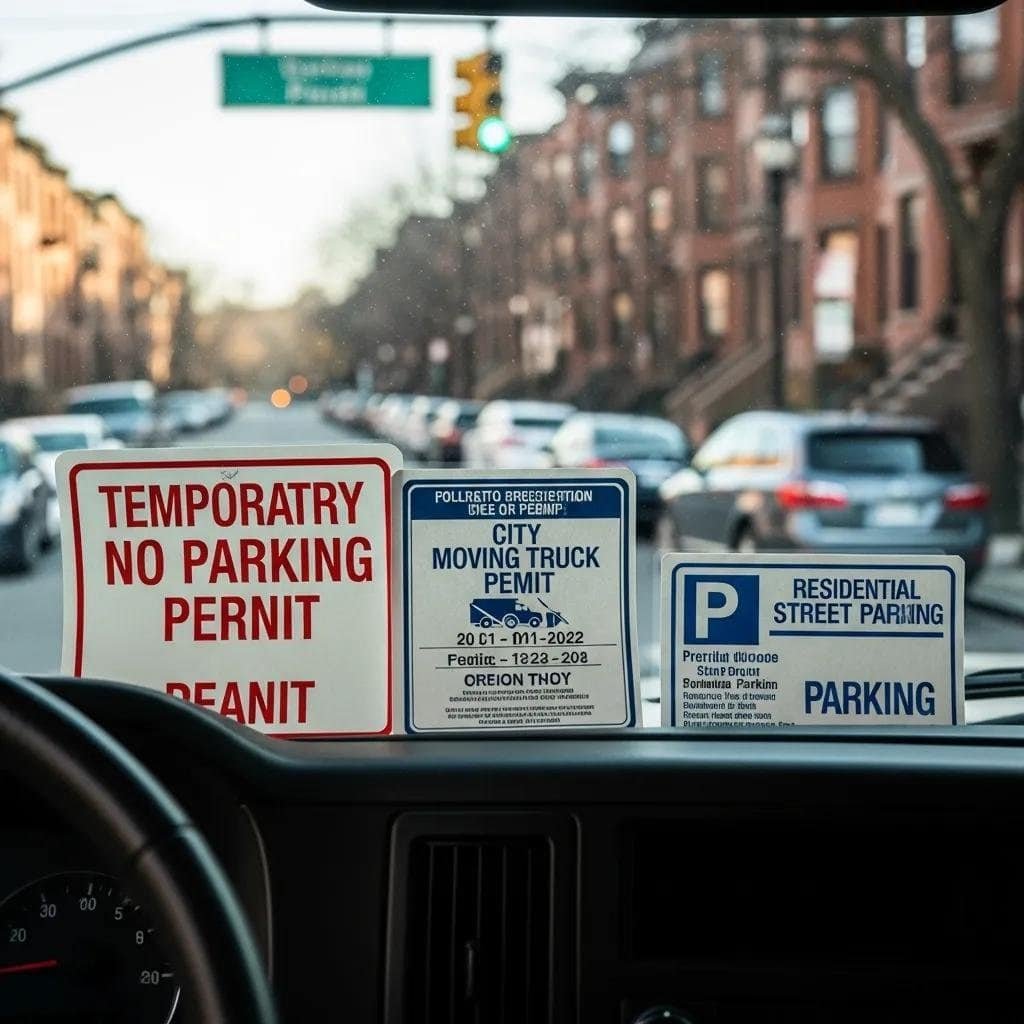
- Permit Requirements: Verify if you need a truck-parking permit or loading zone authorization.
- Parking Restrictions: Be aware of street cleaning, alternate-side rules, and timed parking limits.
- Noise Ordinances: Know local quiet-hour rules to avoid fines or complaints.
Confirming regulations ahead of time prevents unexpected delays on moving day.
Contact your neighborhood’s municipal office or check the city website for permit applications and fees. If you live in a condo or association, confirm internal rules for moving in and out, elevator reservations, and any damage deposit requirements.
How Do Boston’s Seasonal Weather Patterns Influence Moving Permits and Restrictions?
Weather can change how permits and restrictions are enforced. Winter storms may prompt stricter street rules or emergency parking limits; summer events can also affect loading zones. Secure permits and clarify local rules well before your move to avoid last-minute complications.
During festival weekends or major events, plan for alternative drop-off points and communicate these plans with your movers. In winter, check whether the city issues temporary emergency parking rules during snow events and how that might impact your truck placement.
What Are the Recommended Safety Practices for Moving in Boston’s Peak Seasons?
Safety and planning go hand in hand. Follow these recommendations:
- Booking Early: Early booking ensures you have the right crew when you need them.
- Choosing Off-Peak Times: Moving during less busy windows lowers risk and stress.
- Understanding Local Regulations: Staying compliant avoids delays and penalties.
These practices protect your move and help the day go as planned.
Ensure movers are COVID-19 aware and follow any current local health guidance. Verify that your mover provides proper equipment and that crew members are trained in manual handling techniques. Encourage short, frequent breaks in hot weather and warm-up periods during cold spells to avoid injury and fatigue.
Frequently Asked Questions
What should I consider when choosing a moving company for peak seasons?
Look for availability, clear pricing, and proven experience with seasonal moves. Read recent reviews, ask about insurance and licensing, and confirm what’s included (packing, storage, or special handling). Booking early locks in your date and reduces last-minute surprises.
How can I ensure my belongings are protected during a winter move?
Use waterproof covers and durable packing materials, insulate electronics, and move items quickly between vehicles and indoor spaces. Tell your movers about fragile or temperature-sensitive items so they can prioritize and protect them.
What are the benefits of hiring professional movers during peak seasons?
Professionals handle logistics, heavy lifting, and local regulations so you don’t have to. They bring equipment and experience that speed up the process and reduce injury risk. Plus, they can offer packing, storage, or labor-only options when schedules shift.
How can I prepare my family for a move during peak seasons?
Communicate the plan, assign simple tasks by age, and build breaks into the day. Pack a bag with essentials for each family member and involve kids in labeling their boxes so they feel part of the process.
What are some common mistakes to avoid when moving in summer?
Don’t underestimate heat: schedule water breaks and avoid midday packing when possible. Book movers early, check forecasts, and avoid overfilled boxes that are hard to carry in hot conditions.
What should I do if I need to change my moving date last minute?
Contact your mover immediately to request alternatives; flexibility is limited in peak seasons, and fees may apply. Have backup dates ready and check whether your storage or temporary housing options can adapt to the new schedule.
How can I find temporary housing if my move is delayed?
Look for short-term rentals, extended-stay hotels, or ask friends and family. Rental platforms and local agents can often help find month-to-month options close to your new neighborhood to ease the transition.
How to Prepare for a Summer Move in Boston?
For summer moves, start with a clear checklist, pack in stages, and plan to work during cooler hours. Stay hydrated, label boxes clearly, and line up backup help in case the original plan changes. These steps keep you efficient and comfortable on moving day.
Plan your heaviest lifting for early morning or late afternoon, and leave lighter tasks like sorting and final cleaning for midday if heat becomes a problem. Consider renting a temperature-controlled short-term storage unit if there will be a long gap between pickup and delivery.
How Do Movers Boston Services Support Seasonal and Peak Moving Needs?
Movers Boston offers flexible services built for busy seasons: full-service moves, labor-only crews, and short- or long-term storage options. We help you coordinate timing, handle weather-related adjustments, and protect sensitive items so your move stays on track even when conditions are challenging.
We provide tailored checklists, on-site estimates, and clear move-day coordination so you always know who is responsible for each step. If weather or permit issues arise, experience makes a difference in finding timely, compliant alternatives.
What Local and Long Distance Moving Options Are Offered?
Movers Boston handles local moves across the city and region, as well as long-distance relocations to other states. We provide add-ons like packing, unpacking, and specialty-item handling so you can choose the level of support that fits your budget and timeline.
For long-distance moves, we advise scheduling earlier than you would for a local move and confirming transit windows, insurance options, and delivery expectations in writing. For local moves, we focus on efficient routing and minimizing elevator or staircase delays.
How Can Storage and Labor Only Services Ease Your Seasonal Move?
Storage and labor-only services give you flexibility when timing is tight. Storage lets you stage items until your new place is ready; labor-only crews speed up loading and unloading without the cost of a full truck rental. Together, they make seasonal moves less stressful and more affordable.
Pairing a short-term storage unit with labor-only crews can allow you to move items out of an apartment in stages, minimizing parking time and enabling you to schedule movers during a less busy window. This approach is particularly useful when closing dates or handover times are uncertain.
Conclusion
Seasonal moves in Boston require planning, flexibility, and the right partners. With clear checklists, attention to weather and local rules, and the support of experienced movers, you can reduce stress and protect your belongings. If you need help, explore Movers Boston’s services to find the right mix of support for your next move.
Plan early, communicate clearly with your chosen providers, and keep safety as your top priority. With those elements in place, even a peak-season move can proceed smoothly and predictably.