

Piano & Specialty Item Moving Guide
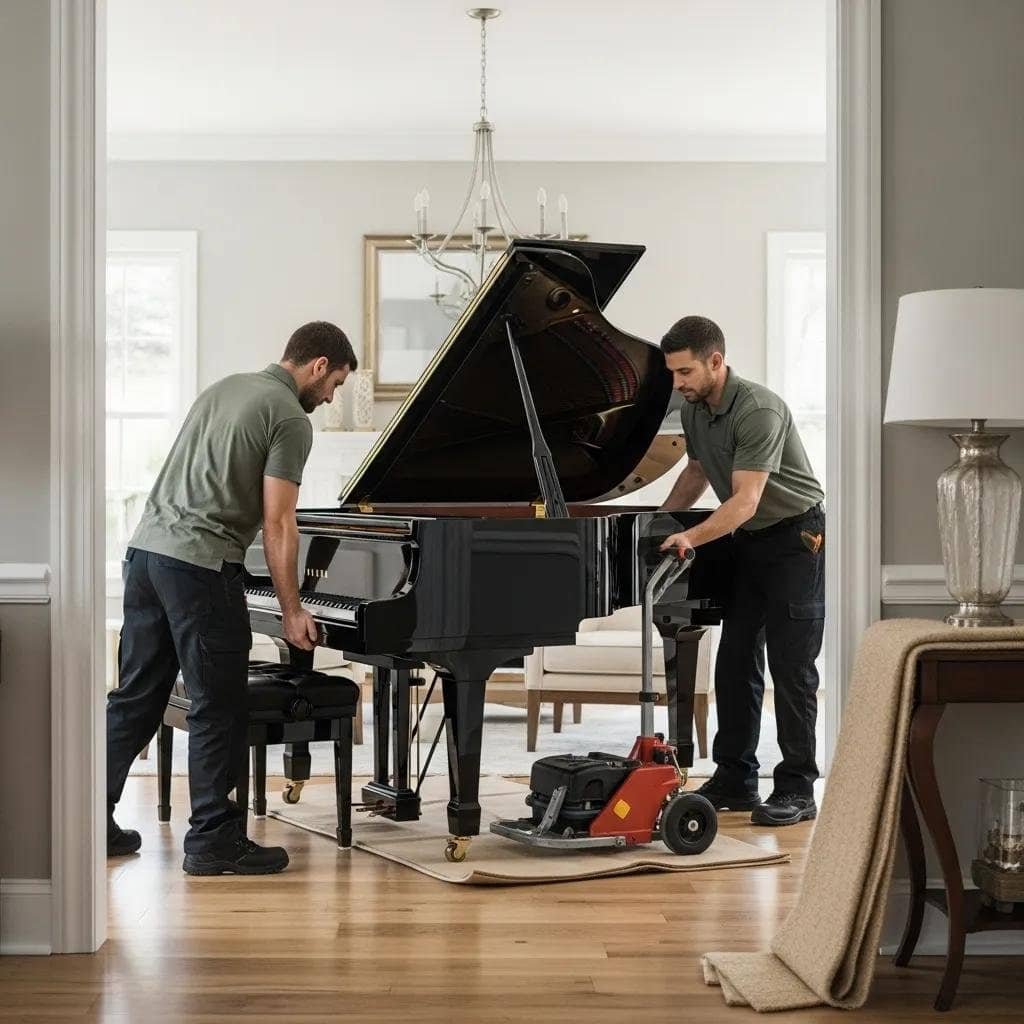
Comprehensive Piano Moving Services in Boston — Your Complete Guide to Piano & Specialty Item Moves
Moving a piano or another specialty item takes planning, the right gear, and experienced hands. This guide walks through piano moving services in Boston — the types of pianos movers handle, the specialized equipment they use, what to expect on costs, and practical tips to protect your instrument. Whether you have a concert grand or a delicate heirloom, knowing the process helps you avoid damage, save time, and reduce stress.
Below we cover pricing, preparation steps, logistics for large-item moves, and why choosing licensed, insured professionals matters. You’ll also find guidance on preparing your piano for transport and the insurance options that can protect your investment. Use this article as a checklist and reference when requesting quotes, booking services, or preparing for moving day.
Piano Moving Services in Boston
Boston piano movers offer specialized services tailored to each instrument type. Common offerings include grand-piano moves, upright-piano moves, and transport for digital pianos — each requiring different handling techniques and equipment. Trained movers plan lifts, routes, and protective measures to get instruments to their destination safely and intact.
Services typically begin with a pre-move assessment, either in person or via photos and measurements you provide. The assessment identifies potential access issues (narrow halls, flights of stairs, small elevators) and determines whether additional equipment or crew members are needed. A clear assessment reduces surprises on moving day and helps ensure accurate written estimates.
Beyond muscle and manpower, professional teams use purpose-built tools — piano dollies, heavy-duty padding, and securing straps — and they account for environmental factors like temperature and humidity that can affect a piano’s tuning and condition during transport. Many movers also offer add-on services such as disassembly and reassembly of legs, hoisting for difficult exterior moves, and on-site placement and leveling at delivery.
Pricing
Knowing how piano moving is priced makes budgeting straightforward. In Boston, typical costs range from $300 to $1,200, influenced by piano type, move distance, and any special services required. Quotes commonly reflect labor, travel time, specialized equipment, and any required permits or building fees.
Price can also vary by service model. Some companies charge a flat fee for an on-site estimate and quoted job, while others use hourly rates with a minimum call-out charge. Additional line items may appear for stair carries, hoisting, parking permits, or insurance upgrades. When comparing estimates, request a written breakdown so you can see which items are included and which are billed separately.
Tips for a Successful Move
To reduce risk and keep your move running smoothly, follow these practical tips:
- Hire Professional Movers: Experienced piano movers protect both the instrument and your home — they’re worth the investment.
- Prepare Your Piano: Remove loose items, lock or secure the keyboard lid, and note any fragile parts before the move.
- Communicate with Your Movers: Share dimensions, access limitations, and any stairs or tight turns so the crew can plan the safest approach.
Additional useful steps include taking dated photos of the piano’s current condition, labeling removable parts and hardware in clearly marked bags, and keeping a list of special instructions (for example, preferred placement in the new room). On moving day, keep children and pets clear of work areas and designate one point of contact to streamline communication with the crew.
Allow extra time for inspection and documentation when the crew arrives. A short walkthrough to confirm routes and placement reduces the chance of surprises and speeds the actual move. If you live in a building with management rules, notify the building in advance and secure elevator reservations or loading dock times per their policies.
What Are Professional Piano Moving Services in Boston?

Professional piano-moving services are specialized teams trained specifically to move heavy, delicate instruments. They bring the right equipment and a clear plan for lifts, routes, and securing the piano in transit. Their experience helps them navigate narrow stairwells, elevators, and tight doorways without compromising the piano’s finish or internal mechanics.
Typical service steps include an initial inspection, scheduling a crew with the correct experience level, protecting the piano with specialized padding and corner guards, and securing it in a properly sized truck. After delivery, many teams will place the piano in its final location, check for scratches or damage in your presence, and make minor adjustments like leveling or reattaching small hardware if needed.
Which Specialty Items Require Expert Moving Services?
Besides pianos, other specialty items often need expert handling, for example:
- Antique Furniture: Fragile joinery and finishes require careful packing and handling.
- Artwork: Paintings and sculptures need tailored protection against shock, moisture, and abrasion.
- Pool Tables: Large, heavy, and often requiring disassembly and reassembly by experienced technicians.
Other common specialty items include large safes, chandeliers, oversized mirrors, and built-in fixtures that need careful removal and reinstallation. Each item has unique handling needs, and professionals trained in specialty moves know how to select appropriate packing materials, secure items during transit, and coordinate any necessary specialist contractors for reinstallation.
How to Ensure Safe Piano Transport: Essential Tips and Equipment
Safe piano transport depends on planning and the right materials. Focus on secure packing, a clear route plan, and environmental protection during transit.
Creating a reliable, low-effort transport process is essential for protecting musical gear and for the safety of the movers.
Safe & Efficient Musical Gear Transportation Design
This report documents efforts to design a safe, low‑strain process for transporting musical gear. Specifications came from customer requirements and human-factors principles. The process was mapped into standardized steps using lean methods to eliminate non-value activities.
- Use Quality Packing Materials: Heavy-duty padding and straps reduce movement and prevent surface damage during transit.
- Plan the Route: Walk the path from piano to truck and identify pinch points, tight turns, and obstacles before moving day.
- Temperature Control: When possible, use climate-controlled vehicles or storage to limit exposure to temperature and humidity swings.
In addition, consider protective measures such as temporarily removing doors from frames to widen passage or placing carpet runners and corner protectors to guard floors and walls. Movers often recommend disassembling detachable piano legs or music stands to reduce snag points; these parts should be packed separately and labeled. For exterior moves that can’t fit through standard access points, hoisting services allow safe removal through windows or balconies, performed by crews with the appropriate rigging gear.
Documenting the piano’s condition before transport (photos and notes) and asking the moving crew to confirm handling steps in writing helps set expectations and provides a record should any issues arise. Finally, plan for a short acclimation period after the move before significant tuning or adjustments are made, especially if the piano experienced large temperature or humidity changes during transit.
What Specialty Equipment Do Professional Movers Use?
Specialized tools make the difference on complex moves. Common equipment includes:
- Piano Dollies: Built to support a piano’s weight and make movement across floors easier.
- Padding: Thick blankets and corner protection guard finishes and edges.
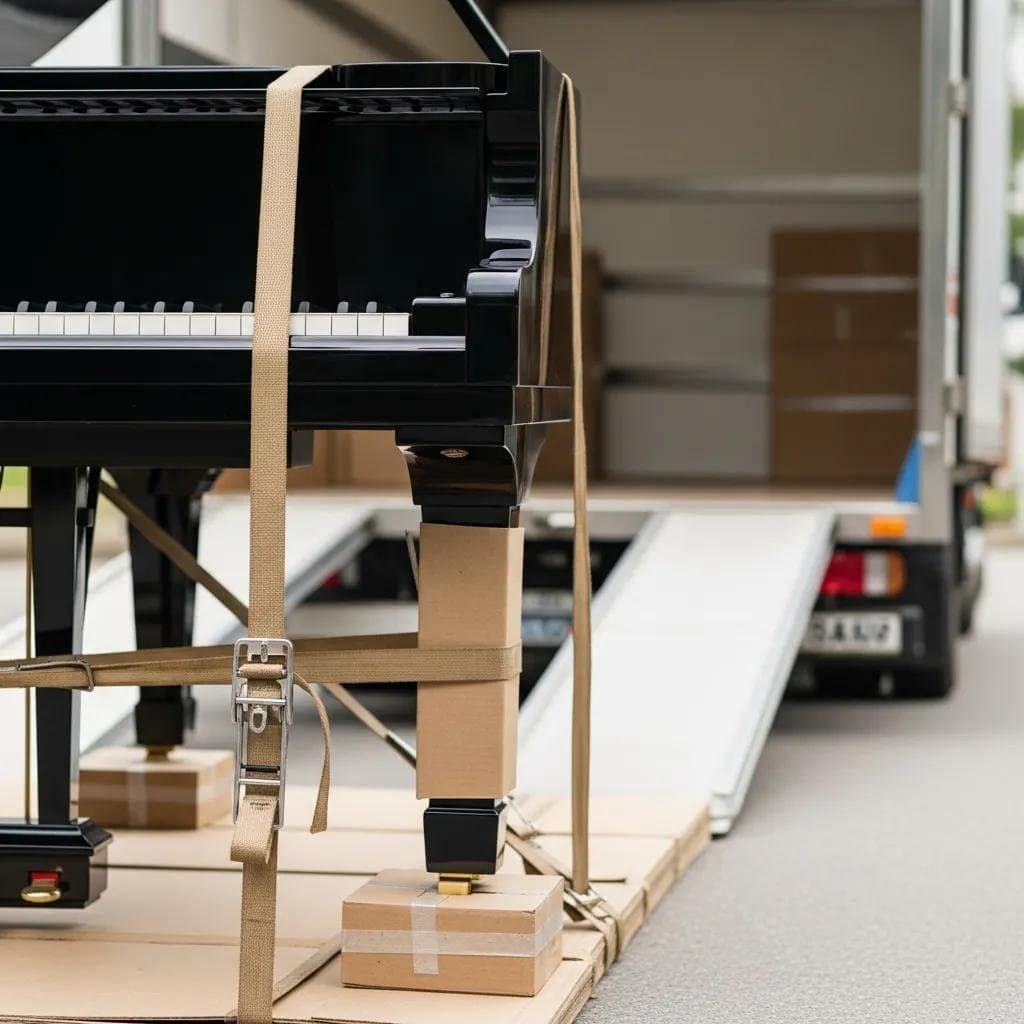
- Straps: Heavy-duty straps secure the piano in the truck and during lifts.
Other equipment frequently used includes stair rollers to ease movement down multiple steps, skid boards to protect floors, hoists and rigging for lifts through windows or over exterior obstacles, pallet jacks for loading, and ramp systems to bridge truck beds and curbs. Properly trained crews know how to combine these tools safely and how to distribute weight during lifts to prevent tipping or damage.
How to Prepare Your Piano for a Safe Move?
Preparing your piano before the movers arrive speeds the process and lowers risk. Key steps include:
- Secure Loose Parts: Remove or fasten removable components like music racks and loose pedals.
- Use Quality Packing Materials: Wrap the piano in protective padding, and protect corners and legs specifically.
- Plan for Transportation: Confirm the appropriate vehicle and make sure the piano will be properly anchored for the trip.
Additional preparation tips: clear the path from the piano to the exit and measure doorways, stair widths, and elevator interiors in advance. If the move involves an apartment or condo building, check access times and elevator reservations with building management. Label any detached hardware and keep small parts in a clearly marked container that travels with the piano or is handed to the crew leader. Finally, note any pre-existing cosmetic issues on a checklist or with photos so you and the movers have a common record of the instrument’s condition.
What Are the Costs and Insurance Options for Piano Moving in Boston?
As noted, piano moves in Boston commonly fall between $300 and $1,200 depending on the instrument and move specifics. When budgeting, include any special handling, stair or elevator fees, and required permits.
Insurance is an important consideration. Many moving companies provide valuation coverage or can recommend third-party insurance to cover damage during transport. Confirm coverage limits and claims procedures before the move so you know what’s protected. Ask the mover to explain the claims timeline and any documentation needed. If an item is particularly valuable or antique, consider obtaining an independent appraisal and discussing additional coverage options with your mover or an insurance broker.
How Do Local and Long Distance Specialty Moving Services Differ?
Local and long-distance moves differ in logistics and cost structure. Local moves typically have lower travel time and fewer regulatory hurdles, while long-distance moves demand more planning, coordination, and often higher fees.
Long-distance transport may require additional permits, route planning, or climate-controlled transit. Understanding these differences helps you select the right mover and level of service for your needs. For long-distance moves, request information about transit times, overnight handling procedures, checkpoints during the trip, and how the carrier secures and protects items during extended transit. Ask how moving teams handle handoffs between local carriers if the trip crosses service regions.
What Are the Logistics of Large Item Moving in Boston?
Large-item moves hinge on three logistical priorities:
- Transportation Methods: Pick the right truck or van for the weight and size of the item.
- Scheduling: Book a time that aligns with building access, elevator reservations, and mover availability.
- Local Regulations: Confirm parking, loading-zone rules, and any permits required for street access.
Prepare a short logistics checklist before moving day: confirm the truck size, reserve curbside or loading-zone permits if needed, and secure any building-specific permissions. If the property has narrow exterior access, allow time for potential hoisting or extended handling. For multi-stop moves, confirm the delivery order and expected time windows so you can plan staffing or presence at each location if necessary.
How Are Long Distance Piano Moves Managed Safely?
Long-distance piano moves involve careful planning to protect the instrument over a longer transit. Essential steps include:
- Assessment and Planning: Evaluate the piano’s condition, route risks, and handling needs.
- Preparation Steps: Pack and secure the piano for longer transit times, accounting for vibration and temperature exposure.
- Transportation Safety: Use vehicles and packing methods suited for extended trips; climate control is recommended where practical.
For extended trips, movers may use additional bracing inside the truck, palletize heavier instruments for stability, and set intermediate checkpoints for status updates. Crews may also advise on timing for tuning and maintenance after delivery, based on the expected exposure the instrument experienced during transit. If your move crosses regulatory boundaries or falls under specialized carrier classes, the mover should clearly explain any required documentation or transit rules.
Why Choose Licensed and Insured Specialty Item Movers in Boston?
Working with licensed, insured movers provides important protections:
- Safety and Liability Coverage: Licensing indicates adherence to regulations; insurance helps cover accidental damage.
- Professional Expertise: Skilled crews reduce the chance of injury or property damage.
- Customer Peace of Mind: Knowing your movers are vetted and insured makes the process far less stressful.
Verify licenses and insurance policies before hiring. Ask to see proof of insurance and request written confirmation of the coverage that will apply to your job. Licensing, bonded status, and documented safety procedures are signals that a company operates professionally and follows local rules for transporting specialty items.
What Credentials Should You Look for in Piano Movers?
When evaluating movers, check for:
- Licensing and Insurance: Verify active licenses and sufficient insurance limits for your move.
- Experience and Customer Reviews: Look for consistent, positive feedback specific to piano moves.
- Specialized Training: Confirm the team has training or proven procedures for moving pianos.
Good questions to ask during vetting: Do you perform on-site surveys? How many crew members will be assigned? What equipment will you use? How do you handle unexpected obstacles? A professional mover should answer these clearly and provide references or examples of similar jobs they have completed.
How Do Customer Reviews Reflect Moving Service Quality?
Customer reviews are a practical way to assess a mover’s performance. Pay attention to:
- Insights from Customer Feedback: Look for recurring praise or complaints about timeliness, care, and communication.
- Importance of Positive Testimonials: Strong reviews often indicate consistent, reliable service.
- Metrics for Service Quality: Evaluate punctuality, damage rates, and how well the company handled issues when they arose.
Seek multiple sources of feedback and pay attention to how companies respond to negative reviews. A professional company will acknowledge issues and describe corrective steps. Absence of reviews for a specialty service can be a red flag, while detailed testimonials that reference specific piano moves or challenging situations provide clearer evidence of capability.
Where Can You Find Secure Storage Solutions for Specialty Items in Boston?
If you need temporary storage during a move, consider these features:
- Climate-Controlled Facilities: Essential for pianos and other temperature-sensitive items.
- 24/7 Access: Choose a facility with access hours that match your schedule if you expect regular retrievals.
- Safety Features: Look for secure entry, surveillance, and staff oversight to protect valuable items.
When selecting a storage facility, confirm size options for assembled and disassembled pianos, inquire about instrument-specific packing or crating services, and understand access policies and any additional handling fees. If you plan to store for a long period, ask about periodic inspections and how the facility manages humidity control over seasons.
What Are the Benefits of Climate-Controlled Storage for Pianos?
Climate-controlled storage offers several advantages for instrument care:
- Protection from Damage: Stable humidity and temperature prevent warping and other climate-related issues.
- Ideal Storage Conditions: Maintaining consistent conditions helps preserve tuning and structural integrity.
- Examples of Protection: Many facilities offer specialized crates or instrument-specific storage options.
Using climate-controlled storage can extend the life and performance of your piano. If your piano will be stored for an extended period, ask the facility whether their climate control is monitored and whether they can provide documentation of conditions should you need it for insurance or maintenance planning.
How to Access and Manage Your Stored Specialty Items?
Managing stored items is easier with a plan. Consider these steps:
- Accessing Storage Units: Understand the facility’s access procedures, hours, and security checks.
- Managing Stored Items: Keep a clear inventory and label boxes or covers to speed retrievals.
- Safety Considerations: Use proper lifting techniques and follow facility rules to prevent accidents during access.
Create a short inventory sheet and include photos of each item and its stored condition. Store any small hardware or instruction sheets in a labeled container and note where it is within the unit. When you retrieve items, perform a quick inspection and document their condition before moving them back into your home or to another facility.
Frequently Asked Questions
What should I do if my piano needs tuning after moving?
It’s normal for a piano to need tuning after a move. Wait a few weeks for the instrument to acclimate to its new environment — temperature and humidity adjustments can affect tuning. When ready, hire a professional piano tuner who can assess and restore the instrument’s sound. If possible, schedule a tuner for a date a couple of weeks after delivery so the piano has time to stabilize.
How can I find reputable piano movers in Boston?
Start with online reviews on Google, Yelp, and specialty forums, and ask for recommendations from local music schools or colleagues. Verify that companies are licensed and insured, ask about their piano-moving experience, and get multiple written quotes to compare services and terms. Request references for similar moves and ask to see examples of how they protected instruments during transit.
Are there any specific regulations for moving pianos in Boston?
There aren’t piano-specific laws, but general moving rules apply — vehicle and parking regulations, building access rules, and permit requirements for loading zones. Discuss local requirements with your mover so they can secure any needed permissions. In buildings with strict loading procedures or specific move-in/out windows, coordinate early with building management to avoid delays and additional fees.
What are the risks of moving a piano without professional help?
Moving a piano yourself can result in costly damage to the instrument and your property, and it carries a significant risk of personal injury. Pianos are heavy and awkward; professionals have the training and equipment to move them safely. If you consider a DIY move, be honest about access challenges, required equipment, and the physical effort involved; for most valuable or large instruments, professionals remain the safer choice.
How do I prepare my home for a piano move?
Clear a straight path from the piano to the exit, remove rugs or obstacles, and measure doorways and hallways in advance. Inform your movers of any tight spots and protect floors and walls with coverings where needed. If you have pets or children, arrange care elsewhere during the move to minimize distractions and hazards.
What should I do if my piano is damaged during the move?
Document the damage immediately with photos and notes, then contact the moving company to report the claim. Most professionals carry insurance; follow their claims process and, if needed, get an independent piano technician’s assessment for repair estimates. Keep all receipts, photos, and written communications related to the move to support any claim.
Can I move a piano myself with friends and a truck?
While it’s possible in some situations, we generally don’t recommend it. Without proper equipment and training you risk damaging the piano and injuring people. For large or valuable instruments, hiring professionals is the safer option. If you choose a DIY move, rent appropriate equipment, measure access points carefully, and enlist enough able-bodied helpers to manage weight and maneuvers safely.
Conclusion
Hiring professional piano movers in Boston gives you the best chance of a safe, efficient move. Experienced teams use the right tools and methods to protect your instrument and your home. Knowing the costs, preparing the piano properly, and securing insurance when needed will help you plan with confidence. Contact us today to learn more about tailored moving solutions for pianos and other specialty items.
