What Drives Moving Company Prices Upward?

What Drives Moving Company Prices Upward? Understanding Key Moving Cost Factors and How Movers Charge

Each move represents a significant financial investment, and understanding the factors influencing moving company prices helps save money while ensuring reliable service. Factors like distance, volume, and service tiers work in concert to determine final costs, and experts such as Horizon Boston Movers rely on transparent pricing models to maintain trust and efficiency. This guide examines six key cost drivers: distance of the move, volume and weight of your belongings, selected services, timing and seasonality, additional fees, and insurance options. Armed with these insights, readers can compare estimates confidently and choose solutions that promote both value and peace of mind.

Why Do Moving Company Prices Vary? Key Factors Affecting Moving Costs

Moving cost variation stems from measurable influences such as travel distance, shipment size, and service complexity. By breaking down each element—distance, volume, services, timing, fees, and insurance—customers gain clarity on quotes and avoid unexpected expenses.

What Factors Affect Moving Costs?

This article outlines numerous factors influencing moving costs, including the weight and distance of the move, the time and number of movers required, and additional charges for long carries, elevators, stairs, bulky or specialty items. It also highlights the impact of insurance, packing services, storage, and peak moving seasons on the final price.
This source directly supports the article’s detailed breakdown of how distance, volume, services, timing, and additional fees contribute to overall moving expenses.

How Does Distance Influence Moving Prices? Local vs. Long-Distance Moves
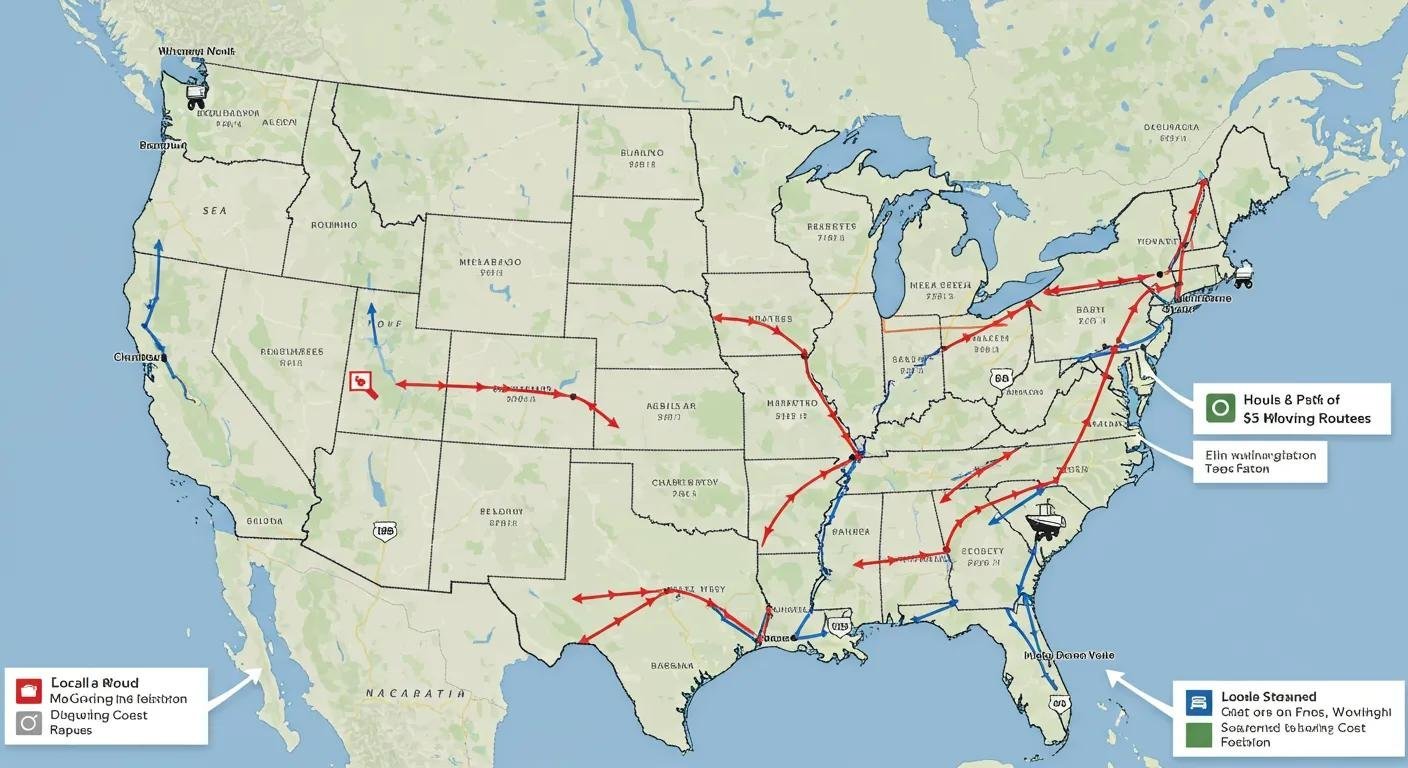
Map illustrating local and long-distance moving routes, emphasizing distance as a cost factor

Distance dictates fuel costs, travel time, and labor hours, directly affecting overall moving charges. The table below compares typical local and long-distance cost ranges based on mileage and crew allocation.

Local MovesTypical Cost RangeMain Drivers
Under 50 miles$800–$2,000Hourly labor and local travel
Over 50 miles$2,500–$5,000Per-mile rate, fuel surcharge, tolls

What Role Does Volume and Weight of Belongings Play in Pricing?

Total volume and weight of household goods determine labor time, truck space, and safety requirements, directly impacting the final moving quote. The following breakdown illustrates how common items affect pricing.

ItemVolume ImpactPricing Factor
Standard sofaHigh (60 ft³)Adds labor hours
Queen mattressMedium (30 ft³)Influences truck capacity
Boxes (per 20)Low (15 ft³)Base packing rate

How Do Different Moving Services Impact Your Quote? Packing, Storage, and Specialty Items

Professional movers packing items, showcasing the importance of different moving services in cost estimation

Additional services such as professional packing, secure storage, and specialty-item handling increase a moving quote based on complexity and resources required. Common service tiers include:

  • Full-Packing Service improves protection and speeds up unloading but raises material and labor costs.
  • Storage Solutions support short- or long-term needs with ongoing fees that reflect facility and handling expenses.
  • Specialty Handling provides trained staff and equipment for pianos or antiques, ensuring safety at a premium rate.

Top Factors That Influence Your Estimate Moving Costs

This guide emphasizes that moving costs are significantly influenced by the distance of the move, the volume or weight of belongings, the time of year (with peak seasons leading to higher prices), and the complexity of the move, including specialized items and additional services like packing.
This research reinforces the article’s discussion on how distance, volume, seasonality, and specialized service requirements are critical determinants in calculating accurate moving estimates.

How Does Timing Affect Moving Company Prices? Seasonal and Scheduling Variables

Seasonal demand and schedule preferences significantly alter moving rates by influencing staffing and resource availability. Planning strategically can improve savings on your move.

Why Are Moving Prices Higher During Peak Seasons and Weekends?

During peak summer months and weekend slots, high demand for crews and trucks drives up hourly rates and minimum booking requirements. Common pressure points include:

  • Summer Peak Premiums tied to June–August school calendars.
  • Weekend Surcharges due to reduced weekday availability.
  • End-of-Month Demand surcharges for limited time slots.

When Is the Cheapest Time to Move? Off-Peak Discounts and Last-Minute Fees

Moving during off-peak seasons or midweek slots can unlock discounts, although last-minute bookings may incur expedited service fees. Effective timing strategies include:

  • Winter Moves often carry lower base rates due to reduced demand.
  • Midweek Scheduling (Tuesday–Thursday) avoids weekend and end-of-month surcharges.
  • Early Reservations secure off-peak discounts.
  • Last-Minute Requests may attract surge pricing for rapid deployment.

What Additional Fees Can Increase Your Moving Costs? Hidden Charges and Accessibility Factors

Beyond base rates, factors like building access and protective measures introduce extra fees that elevate the total moving cost. Recognizing these surcharges prevents surprises on moving day.

Which Extra Fees Should You Expect? Stair Carry, Elevator, and Long Carry Charges

Stair carry charges, elevator fees, and long carry surcharges account for added labor and equipment when access is limited. Typical surcharges include:

  • Stair Carry Fee applies per flight of stairs for additional on-site labor.
  • Elevator Use Fee reflects building management policies and time spent.
  • Long Carry Surcharge covers distances beyond 75 feet between truck and entry.

How Does Moving Insurance Affect Overall Pricing? Valuation and Protection Options

Opting for valuation coverage or third-party insurance increases the total quote by adding protection premiums based on declared value. Common protection levels include:

Insurance TypeCoverage LevelPremium Rate
Basic (Released Value)$0.60 per lb of lossIncluded in hourly rate
Full Value ProtectionRepair or replacement cost1–2% of declared value
Third-Party InsuranceCustom policy limitsVaries by provider

How Can You Get an Accurate and Transparent Moving Quote? Tips to Understand and Compare Prices

Providing detailed move information and understanding pricing components ensures a precise and transparent estimate. Clear communication minimizes discrepancies between initial quote and final invoice.

What Information Should You Provide for a Precise Estimate? Inventory, Distance, and Services

Accurate inventory lists, exact move distance, and specific service selections enable movers to calculate a tailored quote. Essential details include:

  • Detailed Inventory Count for boxes, furniture pieces, and appliances.
  • Exact Addresses with access notes at pickup and delivery points.
  • Service Requirements such as packing, storage, or specialty handling.

How Do Moving Companies Calculate Their Charges? Labor, Logistics, and Service Tiers Explained

Moving companies derive charges from labor hours, logistical costs like mileage and fuel, and chosen service tiers such as packing or storage. Key components involve:

  1. Labor Component: Hourly rate multiplied by crew size and job duration.
  2. Logistics Component: Distance-based mileage and fuel surcharge calculations.
  3. Service Tiers: Flat rates or per-item fees for additional services.

Understanding the interplay of distance, volume, service selection, timing, and surcharges deepens budget planning and prevents last-minute cost escalations. By requesting detailed, itemized quotes and aligning move schedules with off-peak windows, customers improve price transparency and save on relocation expenses. Proactive communication of inventory and access details ensures more accurate estimates and fosters trust between movers and clients. With these insights, anyone can approach their next move with confidence and clarity.


How Much Should You Expect to Pay a Moving Company?

How Much Should You Expect to Pay a Moving Company?

Budgeting for a professional relocation can feel overwhelming, yet transparent moving company cost estimation streamlines your planning and prevents last-minute surprises. This guide breaks down typical price ranges, explains how movers calculate fees, identifies key cost drivers, offers actionable savings tips, and drills into Boston-area benchmarks. By understanding these factors, you’ll gain clarity on expenses and feel confident requesting precise quotes from Horizon Boston Movers or any trusted provider.

What Are the Average Costs of Hiring a Moving Company?

Average moving costs vary by distance, crew size, and home volume, with most local relocations ranging from $400 to $1,500 and long-distance moves spanning $2,500 to $6,000.

Understanding Moving Company Costs and Influencing Factors

Research indicates that the average cost for a full-service move can range from $600 to $15,000, with local moves averaging around $1,489 and long-distance moves around $3,129. Key factors influencing these costs include the distance of the move, the weight and volume of belongings, and the timing, with peak seasons like summer and weekends typically incurring higher rates.

This research directly supports the article’s initial claims about average moving costs and the primary factors that determine them, such as distance, volume, and timing.

Transparent pricing ensures you can compare estimates and choose services that match both budget and needs.

How Much Do Movers Cost for Local Moves?

Movers loading a truck for a local move, emphasizing teamwork and logistics

Local moves typically rely on hourly rates that cover labor, truck rental, and basic supplies. Movers charge for:

  1. Hourly Labor – Crews of two to four movers at $80–$150 per hour
  2. Truck Fee – Flat daily or half-day truck rental of $50–$200
  3. Mileage Surcharge – $0.50–$1.00 per mile beyond a free mileage cutoff

Movers blend these components to deliver clear cost breakdowns and accurate local estimates. Understanding each element simplifies comparison between providers.

What Are the Average Prices for Long-Distance Moves?

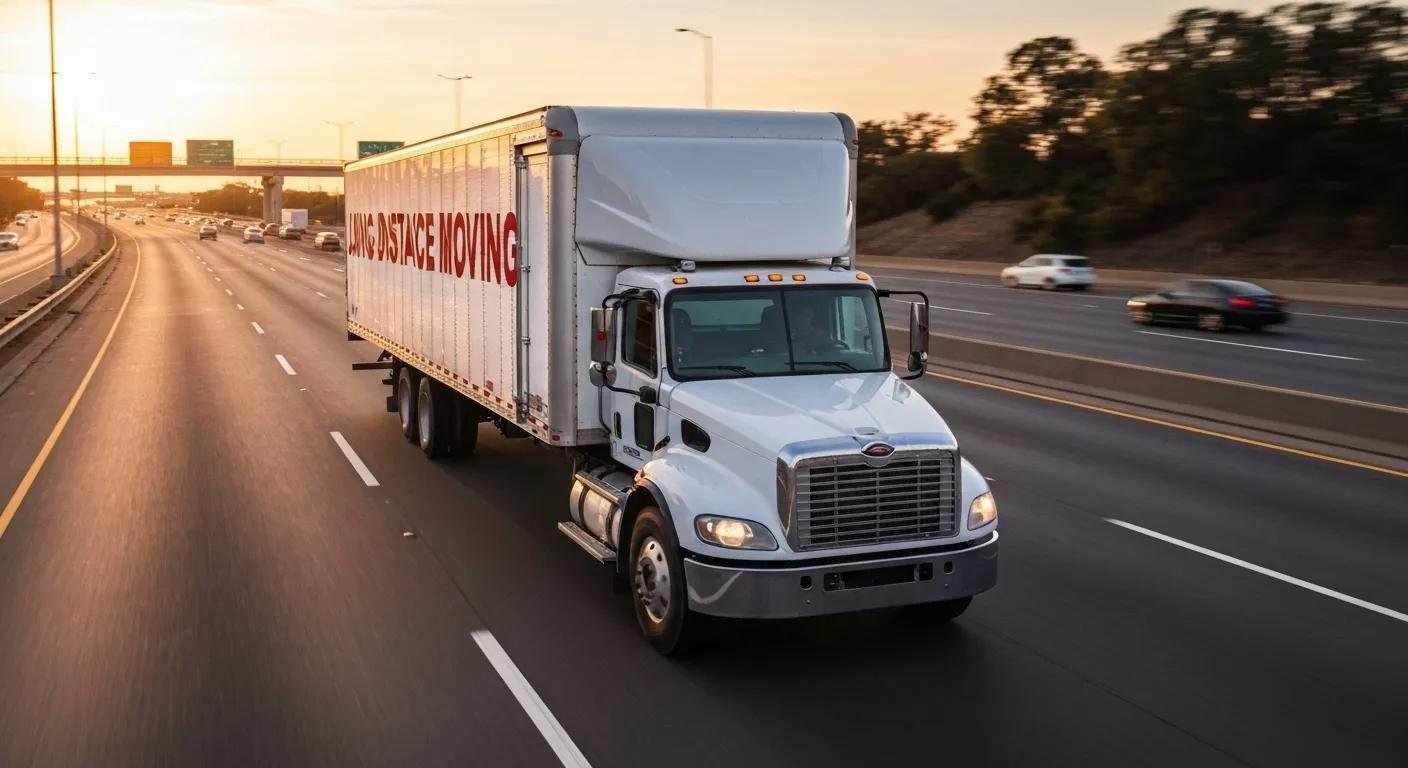
Long-distance moving truck on a highway, representing the journey of relocation

Long-distance relocations depend on the weight of your shipment and the mileage traveled. Pricing components include:

  • Weight-Based Rate: $0.50–$1.00 per pound
  • Distance Factor: $0.80–$1.25 per mile
  • Fuel and Accessorial Fees: Applied as flat charges

This weight-and-distance model lets moving companies offer binding estimates that protect you from unexpected overages when your total shipment weight and distance are clearly defined.

How Does Home Size Affect Moving Company Costs?

Home size directly correlates to packing time, truck space, and required crew. The table below illustrates average local move expenses by residence:

Home SizeAverage Local CostTypical Shipment Weight
Studio/Small$400–$6001,000–1,500 lbs
1-Bedroom$600–$9001,500–2,500 lbs
2–3 Bedroom$900–$1,4002,500–5,000 lbs
4+ Bedroom$1,400–$2,0005,000–8,000 lbs

These figures guide realistic budgeting and highlight how each additional room amplifies labor and packing materials. Recognizing home-size impact leads naturally into choosing the right pricing model.

How Do Moving Companies Calculate Their Prices?

Moving companies employ structured pricing models to ensure fairness and transparency. They evaluate service scope, resource needs, and market rates to deliver accurate moving cost estimations that align with customer expectations.

What Is the Difference Between Binding and Non-Binding Estimates?

A binding estimate guarantees your final cost will not exceed the quoted price, based on an in-home inventory. A non-binding estimate provides an approximation that may change if actual weight or services differ. Binding quotes foster trust and budget certainty, while non-binding options allow flexibility but carry risk of adjustments.

How Are Hourly, Weight-Based, and Flat Rates Used?

Moving companies select rate structures to match move complexity:

  • Hourly Rate: Best for local relocations under 100 miles.
  • Weight-Based Rate: Ideal for long-distance moves where truck weight drives cost.
  • Flat Rate: Suited for small shipments or specialty services that require fixed fees.

This tiered approach enables accurate cost allocation across diverse move types.

Which Additional Services Influence Moving Costs?

Beyond basic transport, several add-on services affect your bottom line:

  1. Professional Packing and Unpacking
  2. Disassembly/Reassembly of Furniture
  3. Specialty Item Handling (pianos, pool tables)
  4. Short- or Long-Term Storage Solutions
  5. Full-Value or Declared Valuation Insurance

How Moving Companies Calculate Prices and Additional Service Costs

Moving companies primarily use hourly rates for local moves and weight-based rates combined with distance for long-distance relocations. Beyond basic transportation, additional services such as professional packing, furniture disassembly/reassembly, specialty item handling, and storage solutions can significantly increase the total moving cost.

This research verifies the different pricing models (hourly, weight-based) used by moving companies and lists common additional services that contribute to the overall expense, aligning with the article’s detailed breakdown.

What Factors Most Influence Your Moving Costs?

Key drivers of moving expenses include distance, volume, timing, and logistical challenges. Awareness of these factors enables proactive planning and cost control.

How Does Distance Impact Moving Prices?

Moves under 100 miles usually attract hourly local rates, whereas moves beyond 100 miles convert to weight-and-distance billing. Longer routes also incur higher fuel and driver-time charges, making distance one of the strongest cost determinants.

Why Do Weight and Volume Matter in Moving Costs?

Shipment weight and cubic footage dictate truck space and labor hours needed. Heavier or bulkier loads require larger trucks and crew, so reducing unnecessary items directly lowers your moving invoice.

How Does Timing Affect Moving Company Rates?

Peak season (May–August) and weekends command premium pricing due to high demand. Scheduling during off-peak months or midweek can reduce hourly rates by 10–20 percent. Planning your move date strategically yields significant savings.

What Accessibility Challenges Can Increase Costs?

Complex loading conditions lead to accessorial fees:

  • Multiple flights of stairs
  • Long carry distances from door to truck
  • Limited parking or elevator restrictions

Anticipating these factors with your moving consultant ensures accurate quotes and prevents last-moment upcharges.

How Can You Save Money When Hiring a Moving Company?

Cost-saving strategies focus on reducing labor time and volume while avoiding hidden fees. Implementing these tactics aligns with transparent cost estimation practices.

What Are Effective Tips to Reduce Moving Expenses?

Decluttering before packing, handling DIY packing, and donating unwanted items all shrink shipment size. Booking off-peak moves and obtaining quotes from multiple trusted providers like Horizon Boston Movers further lowers your final expense.

How Do You Compare Moving Quotes to Avoid Overpaying?

Obtain at least three itemized estimates that specify hourly rates, mileage charges, and add-on fees. Verify which estimate types (binding vs non-binding) apply and confirm inclusion of fuel surcharges and elevator or stair fees.

What Hidden Fees Should You Watch Out For?

Common extra charges include:

  • Packing supply surcharges
  • Elevator reservation or shuttle service fees
  • Late-night or holiday move premiums
  • Valuation coverage upgrades

Identifying these fees up front ensures the moving cost estimation remains reliable.

What Are Typical Moving Costs in Boston and Similar Markets?

Boston’s dense urban environment and high labor rates shape local moving expenses. Awareness of regional pricing helps you benchmark estimates against national averages.

How Much Does a Local Move Cost in Boston?

Local relocations in Boston average $100–$140 per hour for two-person crews, often totaling $800–$1,600 for a two-bedroom move. This reflects higher labor costs and parking permit requirements.

Average Moving Costs in Boston, Massachusetts

In Boston, local moving companies typically charge an average of $75 per hour per mover, or approximately $150 per hour for a two-person crew and a truck. This results in local move costs ranging from $450 for a studio apartment to $2,700 for a four-bedroom home, reflecting the higher labor costs and urban logistics of the region.

This research provides specific cost benchmarks for local moves in the Boston area, directly supporting the article’s section on regional pricing.

What Are the Long-Distance Moving Costs from Boston?

Long-distance shipments originating in Boston typically start at $3,200 for a 2,500-lb load moving roughly 500 miles. Weight-and-distance fees, fuel surcharges, and interstate tolls contribute to the final figure.

How Do Boston Moving Costs Compare to National Averages?

MarketLocal Move (2-BR)Long-Distance (2,500 lbs)
Boston Area$900–$1,400$3,200–$4,500
U.S. Average$800–$1,200$2,500–$4,000

Boston’s premium of 10–20 percent over national rates underscores the impact of regional labor costs and urban logistics on moving expenses.

Movers create transparent cost estimates by evaluating distance, weight, timing, and access. Armed with accurate moving company cost estimation and strategic savings tips, customers minimize surprises and optimize budgets. Partnering with a reputable provider such as Horizon Boston Movers delivers professional support, clear pricing, and peace of mind for every relocation.

Affordable Moving Company Rates Explained for Budget Savvy Moves

Affordable Moving Company Rates Explained: How to Save Money on Your Budget-Savvy Move

Moving expenses often catch families off guard, with the average local relocation running $80–$100 per hour and long-distance moves averaging around $5,000. Understanding affordable moving company rates empowers budget-savvy movers to plan costs, compare services, and avoid surprises. This guide explores national rate benchmarks, cost-saving methods, the true difference between cheap and affordable movers, calculator tools for precise estimates, and quote comparison strategies to secure the best value.

You will learn:

  • Core cost structures for local versus long-distance moves
  • Proven tactics to lower expenses without sacrificing service quality
  • Criteria to distinguish reliable budget movers from low-ball operators
  • How to use interactive calculators for accurate budget planning
  • Techniques for evaluating binding and non-binding estimates

Average Moving Costs and Influencing Factors

The average cost for local moves typically ranges from $80 to $125 per hour, while long-distance moves can average around $4,600 to $4,890 for a two-to three-bedroom household, with total costs potentially reaching $10,000 or more depending on various factors. Key determinants include the distance of the move, the weight or volume of belongings, the time of year, and any additional services required.
This research provides benchmarks for both local and long-distance moving costs and highlights the primary factors that influence these expenses, directly supporting the article’s initial cost explanations.

What Are the Average Moving Costs for Local and Long-Distance Moves?

Moving truck loaded with boxes outside a suburban home, representing average moving costs

Average moving costs hinge on service scope and distance. Local moves typically use hourly pricing for labor and truck use, while long-distance relocations combine weight, volume, and mileage into flat fees that often total around $5,000 for a two-to three-bedroom household.

How Do Local Moving Rates Typically Work?

Local moves charge by time and crew size. A standard two-mover team with a truck costs between $80 and $100 per hour, covering loading, transport, and unloading.

Move TypePricing ModelTypical Rate
Local MoveHourly Labor$80–$100 per hour
Add-On ServicesPacking & Unpacking$25–$35 per hour per mover

Local hourly rates give flexibility for short relocations and partial services, guiding budget planning for next-day or same-day moves.

What Factors Influence Long-Distance Moving Costs?

Long-distance pricing reflects weight, distance, access, and additional services. These variables combine into a single estimate that can range from $3,000 to $7,000 for cross-country moves.

Key cost drivers include:

  • Weight of belongings, measured in total shipment pounds
  • Distance traveled, calculated per mile and regional fuel surcharges
  • Access challenges, such as stairs or narrow driveways
  • Value-added services like packing, storage, and specialty item handling

Understanding these factors helps movers adjust their inventory or service requests to stay within budget without compromising safety.

How Do Moving Company Quotes Compare Across Services?

Quotes vary by service type and pricing basis, requiring side-by-side comparison to pinpoint true affordability.

Service TypePricing BasisRate Range
Full-Service MoveWeight + Distance$0.50–$0.70 per lb/mile
Partial PackingHourly Labor$25–$35 per hour per mover
Loading OnlyHourly Labor$60–$80 per hour

Comparing EAV attributes of each quote ensures movers choose targeted services that align with their budget priorities and avoid paying for unneeded extras.

How Can You Save Money on Moving Without Sacrificing Quality?

Affordable moves blend cost-effective planning with professional reliability. By targeting high-impact strategies, movers can reduce expenses while preserving care and efficiency.

What Are the Best Tips to Reduce Moving Expenses?

To minimize costs while maintaining service standards, follow these proven steps:

  1. Declutter unwanted items to shrink volume and weight.
  2. Book during off-peak periods—weekdays or mid-month—to access discounted rates.
  3. Source free packing materials through community exchanges or local retailers.
  4. Consolidate shipments by moving non-essentials later or using portable storage.
  5. Negotiate custom quotes by bundling packing and transport services.

Implementing these tips can lower total charges by up to 20 percent and improve logistical efficiency for the next step save more time.

Strategies for Reducing Moving Expenses

Moving during off-peak seasons, such as fall, winter, or mid-month, can lead to significant cost reductions, with potential savings ranging from 10% to 30% compared to peak summer rates. Additionally, decluttering unwanted items before packing is a highly effective method to lower overall moving costs by reducing the total weight and volume of the shipment.
This information validates the article’s advice on how to save money by strategically timing a move and by minimizing belongings, directly supporting the cost-saving methods discussed.

How Does Timing Your Move Affect Moving Rates?

Moving during the off-peak season—fall, winter, or weekdays—can reduce costs because affordable moving company rates drop by as much as 15 percent when demand wanes. Aligning your schedule with these periods lowers crew hourly rates and truck rental fees, optimizing budget utilization.

How Can Decluttering Lower Your Moving Costs?

Decluttered room with organized boxes and a donation box, illustrating how decluttering lowers moving costs

Decluttering before packing directly shrinks shipment weight and volume, which reduces both hourly and flat-rate fees. Selling or donating unused items not only offsets moving expenses but also streamlines loading times, cutting labor charges and simplifying logistics.

What Should You Know About Cheap vs. Affordable Moving Companies?

Affordable movers focus on transparent pricing, reliable service, and cost-quality balance, whereas cheap providers often compromise on experience and charge hidden fees. Prioritizing value over the lowest bid ensures a smoother, safer relocation.

How to Identify Reliable Budget-Friendly Movers?

Evaluating credibility relies on clear criteria before committing to a budget mover. Movers with proper licensing, positive customer feedback, full insurance coverage, and straightforward quotes demonstrate trust and professionalism. For example, Horizon Boston Movers | Boston Moving Services combines local expertise with transparent pricing and dedicated packing support, enabling budget-savvy relocations without compromise.

What Hidden Fees Should You Watch Out For?

Unanticipated charges can derail a budget move. Common surcharges include:

  • Fuel and mileage extras beyond base estimates
  • Stair or long-carry fees for challenging access
  • Additional insurance or valuation coverage costs
  • Last-minute booking or cancellation penalties

Why Is Transparent Pricing Important for Affordable Moves?

Transparent pricing aligns expectations with final invoices, builds trust, and avoids disputes. Clear line-item estimates ensure movers know exactly which services are included, empowering informed decisions and long-term satisfaction.

How Does a Moving Cost Calculator Help Estimate Your Budget?

A moving cost calculator simulates real-time estimates by combining distance, shipment size, and service options, delivering precise budget forecasts that support planning and comparison.

What Inputs Affect Your Moving Cost Estimate?

Cost calculators require detailed inputs to refine estimates:

  • Total shipment weight or cubic feet
  • Origin and destination zip codes for mileage calculation
  • Selected services such as packing, storage, or specialty moves
  • Time of year and access factors

How to Use a Moving Cost Calculator for Accurate Quotes?

To harness a calculator effectively:

  1. Enter precise inventory details, categorizing heavy and specialty items.
  2. Provide exact pickup and delivery locations for mileage accuracy.
  3. Select desired service levels, from basic transport to full packing.
  4. Adjust timing options to reflect off-peak or peak-season rates.

Following these steps yields binding estimates that closely match final invoices, reducing variance and enhancing budget confidence.

How Do Moving Company Quotes Comparison Help You Choose the Best Rate?

Comparing binding and non-binding estimates uncovers the most cost-effective path while managing risk and commitment levels.

What Are Binding vs. Non-Binding Estimates?

Estimate TypeCommitmentAdjustment Risk
Binding EstimateFixed TotalNone
Non-Binding EstimateProjected TotalHigh (weight/fees vary)

Understanding Binding and Non-Binding Moving Estimates

The Federal Motor Carrier Safety Administration (FMCSA) defines binding estimates as guaranteed prices that protect consumers from unexpected increases, requiring 100% payment at delivery. In contrast, non-binding estimates are initial projections that can fluctuate, though movers cannot demand more than 110% of the estimate at delivery, with any remaining balance billed later. Transparent pricing is crucial for building trust and avoiding hidden fees in the moving industry.
This citation clarifies the legal distinctions and implications of binding and non-binding estimates, as well as the importance of transparent pricing, directly supporting the article’s guidance on comparing quotes and avoiding hidden fees.

Choosing binding estimates ensures budget certainty and avoids unexpected charges, anchoring your relocation spending.

How to Get Multiple Quotes and Compare Offers Effectively?

Efficient quote comparison involves:

  • Requesting at least three detailed estimates
  • Standardizing service requests across providers
  • Verifying included insurance and fee structures
  • Scoring each quote on price, reputation, and service scope

Systematic evaluation highlights the best value mover, empowering a confident, budget-savvy selection.

Moving with clear insights into affordable moving company rates transforms relocation from a stress point into a strategic opportunity. By mastering cost structures, leveraging savings tactics, vetting trustworthy movers, and using precise budgeting tools, anyone can secure a smooth move that respects both quality and financial goals.

Storage Solutions: What Movers Offer You

Moving Company Storage Solutions: What Movers Offer You for Secure and Flexible Storage

Professional moving companies integrate relocation and storage services to eliminate timing gaps and safeguard belongings. Movers Boston provides seamless moving and storage coordination through a single point of contact, ensuring items remain protected until final delivery. This guide explains the full spectrum of storage solutions offered by movers, covering:

  • Types of mover-provided storage services
  • Advantages over self-storage alternatives
  • Cost factors and transparent pricing models
  • Suitable items and handling procedures
  • Packing and inventory services that enhance storage efficiency

What Types of Storage Services Do Movers Provide?

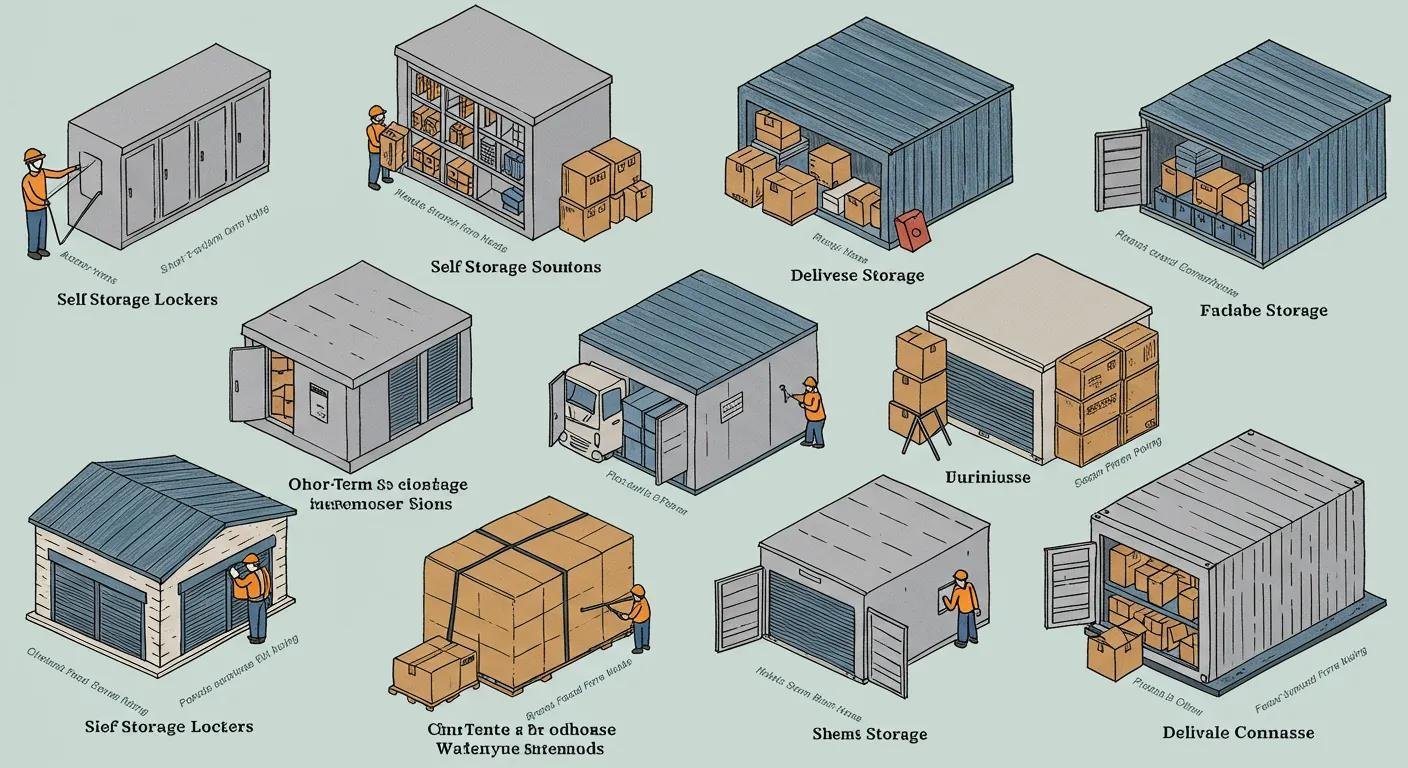
Various types of storage solutions provided by movers, including short-term, long-term, and portable storage options

Mover-provided storage services bundle transport and warehousing under one provider. This approach prevents transfer delays, protects fragile goods, and streamlines logistics—for example, maintaining household items offsite during a closing gap.

Before detailing specifics, here is an overview of core storage types:

  • Short-Term Storage: Ideal for stays under 30 days during moves or renovations.
  • Long-Term Storage: Designed for durations exceeding 30 days with flexible contracts.
  • Portable Storage Containers: On-site steel units delivered for client loading at leisure.

How Does Temporary Storage by Movers Work During Relocation?

Movers arrange pickup, secure warehousing, and final delivery in a coordinated three-step process.

  1. Movers load items into padded crates or containers at origin.
  2. Goods transfer to a climate-monitored facility with 24/7 surveillance.
  3. Items ship back when your new location is ready.

This streamlined flow eliminates downtime between move-out and move-in, maintaining continuous custody and reducing handling risk.

What Are the Benefits of Long-Term Moving Storage?

Long-term storage extends protection for seasonal, business, or personal items during prolonged transitions. It includes insurance coverage, routine inspections, and adjustable billing cycles tailored to project timelines.

Key advantages include:

  • Flexible month-to-month contracts with no lock-in clauses
  • Comprehensive insurance options for high-value possessions
  • Periodic condition checks and pest control services

These features ensure belongings remain intact over extended periods, facilitating stress-free occupancy planning.

How Do Portable Storage Containers from Movers Enhance Convenience?

Portable storage containers bring the warehouse to your doorstep, enabling self-paced packing without multiple handling events. You load at your own schedule, and movers transport the sealed unit to secure premises.

Primary perks include:

  • Delivery of lockable containers for on-site packing
  • Option to store at home or in a monitored facility
  • Direct pickup on demand and relocation integration

Container solutions blend mobility and security while minimizing logistics coordination for customers.

Why Choose Moving Company Storage Over Self-Storage Options?

Mover-based storage combines relocation and warehousing into a unified service that removes coordination burdens and enhances custody control. Unlike traditional self-storage where clients shuttle goods independently, professional movers oversee every transfer and safeguard items with advanced security systems. Major benefits of integrated moving storage include improved chain of custody, single-vendor accountability, and streamlined billing.

Advantages of Integrated Moving and Storage Services

Professional moving companies offering integrated storage solutions provide numerous benefits, including enhanced convenience by eliminating the need for separate providers, improved safety and security for belongings, and greater flexibility with short-term and long-term options. This unified approach can also lead to reduced stress and potentially more affordable bundled packages for consumers.
This research supports the article’s claims regarding the overall benefits and convenience of choosing moving company storage over self-storage alternatives.

What Security Features Protect Your Belongings in Mover Storage?

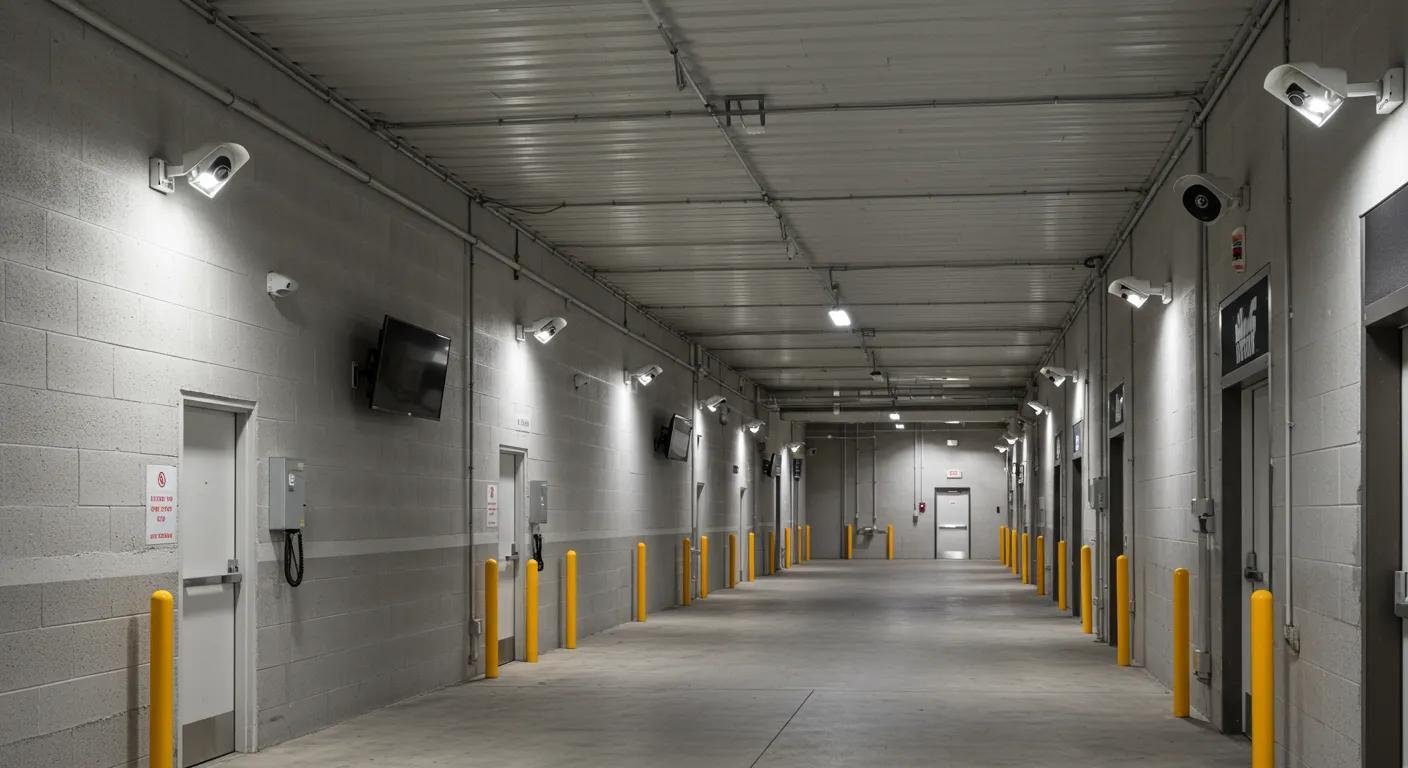
Security features in a moving company storage facility, highlighting surveillance and protection for stored belongings

Mover facilities employ multiple layers of security—perimeter fencing, video surveillance, individual unit alarms, and restricted staff access—to shield stored items. Biometric entry systems and off-site monitoring reduce unauthorized intrusion.

These robust controls instill confidence that valuables remain untouched until delivery.

How Does Climate-Controlled Storage Safeguard Delicate Items?

Climate-controlled units regulate temperature (50–80°F) and humidity (45–55%), preventing warping, mold growth, and material degradation. This environment preserves electronics, fine art, wooden furniture, and textiles by maintaining stable conditions that inhibit moisture fluctuations.

Security and Climate Control in Professional Storage Facilities

Professional moving and storage facilities implement robust security measures such as 24/7 video surveillance, access control systems, and on-site security personnel to protect stored items. Climate-controlled units maintain stable temperatures (typically 55-85°F) and humidity levels (30-55%) to prevent damage to sensitive belongings like electronics, fine art, and wooden furniture from environmental fluctuations.
This information directly verifies the article’s descriptions of security features and the protective benefits of climate-controlled storage for delicate items.

How Much Does Storage with Movers Cost and What Affects Pricing?

Mover storage pricing reflects unit size, duration, climate control, and handling complexity. Base rates cover standard warehousing and security, while add-ons adjust for temperature regulation, insurance, and specialized crating.

Transparent price models enable clients to forecast costs and avoid hidden fees.

What Factors Influence Temporary and Long-Term Storage Prices?

Below is a comparison of primary pricing factors:

FactorImpact on CostTypical Adjustment
Unit SizeLarger footprints incur higher rates+15–30% per size tier
Storage DurationExtended contracts qualify discounts5–20% off after 3 months
Climate ControlTemperature and humidity management+25–40% additional fee
Insurance CoverageInsured value coverage0.8–1.5% monthly premium

Are There Transparent Pricing Models for Moving Company Storage?

Yes, professional movers provide itemized quotes that separate base warehousing, handling labor, climate control, and insurance. Clients review each line item, enabling direct comparisons and budget planning before booking.

What Items Can You Store with Movers and How Are They Handled?

Moving companies accept most household and commercial goods, categorizing items by fragility, weight, and volume to determine handling protocols. This ensures efficient packing, stacking, and retrieval.

Which Household Goods Are Ideal for Moving Company Storage?

Mover storage excels for:

  • Furniture sets and upholstered pieces
  • Appliances requiring disassembly and reassembly
  • Electronics packed in custom crates

Proper packaging and unit selection maintain item integrity until redelivery.

How Do Movers Handle Special Storage Needs Like Antiques or Vehicles?

For antiques, movers design custom wooden crates and climate-stabilized vaults to prevent vibration and moisture damage.

Vehicle storage involves battery maintenance, tire inflation services, and enclosed bay protection.

Item TypeHandling FeatureStorage Requirement
AntiquesCustom crating and paddingClimate-controlled vaults
VehiclesBattery tender and tire checksEnclosed, monitored garage space

How Do Packing Services Complement Storage Solutions Offered by Movers?

Professional packing services integrate directly with storage workflows to optimize space utilization and item protection. Expert packers select materials, secure fragile pieces, and inventory belongings for rapid retrieval and damage prevention.

What Professional Packing Options Are Available for Stored Items?

  1. Fragile-Only Packing for glassware, artwork, and electronics
  2. Full-Service Packing covering all household goods using industry-grade materials
  3. Unpacking and Setup upon final delivery to expedite home readiness

How Does Inventory Management Improve Storage Efficiency?

Digital inventory systems log each boxed item with photographs and storage location codes, enabling instant retrieval and accurate audit trails. This enhances accountability and speeds the delivery process by minimizing search times.

By mapping each crate and pallet within the facility grid, movers ensure clients retrieve specific items without unnecessary delays or additional access fees.

Moving company storage solutions unite relocation and warehousing into a single, secure service that preserves item integrity and simplifies logistics. From short-term in-transit holds to long-term climate-controlled vaults, professional movers deliver flexible, transparent, and protected storage tailored to customer needs. For seamless packing and inventory support, integrated services create a cohesive relocation experience that saves time and reduces stress.

Eco-Friendly Moving Company Options You Should Consider

Eco-Friendly Moving Company Options You Should Consider for Sustainable Relocation

Moving operations often generate significant environmental impact through packaging waste, fuel emissions, and resource consumption. Selecting from eco-friendly moving company choices can reduce carbon output, divert waste from landfills, and support sustainable relocation. Horizon Boston Movers delivers reliable transportation that pairs well with green moving services, providing a foundation for reducing environmental impact. This guide defines what makes an eco-friendly mover, explores reusable box solutions, outlines fuel-efficient and carbon-neutral options, examines donation and recycling strategies, and presents a step-by-step eco-friendly moving checklist for a sustainable move.

What Defines an Eco-Friendly Moving Company?

An eco-friendly moving company integrates sustainable practices to minimize environmental harm by reducing waste, cutting emissions, and supporting circular materials—resulting in greener relocations and community benefits.

Which Sustainable Practices Make a Moving Company Green?

Visual representation of sustainable practices in eco-friendly moving companies

Green moving providers adopt multiple eco-conscious methods to reduce resource consumption and waste.

  • They use reusable moving bins made from recycled plastic instead of single-use cardboard.
  • They employ biodegradable packing materials such as mushroom foam and recycled paper.
  • They implement paperless billing and digital inventory to cut administrative waste.

These practices lower both landfill contributions and operational costs while reinforcing eco-friendly relocation standards.

How Do Eco-Friendly Movers Reduce Their Carbon Footprint?

Eco-friendly movers leverage cleaner fuels, optimized logistics, and offset programs to shrink greenhouse gas emissions.

StrategyMechanismImpact
Biodiesel TrucksBurn renewable diesel blendsCuts CO₂ by up to 50% per mile
Route Optimization SoftwarePlan efficient travel pathsReduces idle time and mileage
Electric Moving VansZero tailpipe emissionsEliminates local air pollutants
Carbon OffsettingFund reforestation or renewable energyNeutralizes remaining emissions

Focusing on these strategies drives measurable reductions in carbon output and sets a new standard for sustainable logistics.

What Certifications and Partnerships Support Green Moving Companies?

Certifications and alliances validate a mover’s commitment to environmental stewardship and operational transparency.

  • Green Seal Certification confirms adherence to eco-friendly service standards.
  • ISO 14001 Partnership involves collaboration on environmental management systems.
  • Local Recycling Center Alliances enable centralized material reuse and donation efforts.

ISO 14001: International Standard for Environmental Management Systems

ISO 14001 is an international standard that provides a framework for organizations to establish, implement, maintain, and continually improve an effective environmental management system (EMS). It assists businesses in monitoring and managing their environmental impacts, improving resource efficiency, reducing waste, and driving down costs, thereby enhancing stakeholder and customer trust.
This information validates the article’s mention of ISO 14001 as a key certification supporting green moving companies and outlines the benefits of adhering to this environmental management standard.

How Do Reusable Moving Boxes Improve Sustainable Moving Services?

Reusable moving boxes replace disposable cartons with durable containers, cutting waste, lowering costs, and protecting belongings more effectively.

What Are the Benefits of Reusable Plastic Moving Boxes vs. Cardboard?

Box TypeDurabilityEnvironmental Impact
Cardboard BoxesSingle use; tears easilyHigh waste; low recycling rate
Reusable Plastic BinsReusable 100+ cyclesMinimal waste; recyclable

Reusable bins deliver stronger protection while slashing landfill contributions and are ideal for multiple relocations.

Environmental Advantages of Reusable Moving Boxes

Reusable plastic moving boxes offer significant environmental benefits over single-use cardboard, including reduced waste, conservation of natural resources, and lower greenhouse gas emissions. Their durability allows for multiple uses, minimizing the demand for new materials and contributing to a more sustainable moving process.
This research directly supports the article’s claims regarding the environmental benefits and durability of reusable moving boxes compared to traditional cardboard options.

Can You Rent or Buy Reusable Moving Boxes?

  1. Compare rental rates versus purchase options through local suppliers.
  2. Reserve bins in advance to ensure availability on moving day.
  3. Return rented boxes for cleaning and reuse, or retain purchased units for future relocations.

Renting maximizes convenience, while purchasing offers long-term savings and guarantees supply for repeat moves.

What Fuel-Efficient and Carbon Neutral Options Do Green Moving Companies Offer?

Biodiesel and electric moving trucks in a green environment promoting carbon neutrality

Leading green movers blend low-emission vehicles with compensation programs to achieve carbon neutrality and cleaner transport.

How Do Biodiesel and Electric Moving Trucks Reduce Emissions?

  • Biodiesel blends leverage renewable waste oils to slash lifecycle CO₂ emissions.
  • Electric vans operate silently with no tailpipe pollutants, powering relocations on renewable electricity.
  • Combined fleets offer flexibility for urban and long-distance applications.

These technologies drive major environmental benefits and advance sustainable transport adoption.

What Are Carbon Offsetting Programs for Moving Services?

  • Funding reforestation projects restores habitats and captures atmospheric carbon.
  • Supporting renewable energy installations accelerates the shift away from fossil fuels.
  • Contributing to methane capture efforts reduces potent greenhouse gas releases.

Offset investments ensure that unavoidable emissions are effectively neutralized through verified environmental projects.

How Can Customers Participate in Carbon Neutral Moving?

  • Calculate your move’s carbon footprint using online tools.
  • Select an offset program aligned with personal values.
  • Combine offsetting with decluttering and waste reduction efforts.
  • Track impact metrics such as tons of CO₂ removed or trees planted.

Engaging directly in carbon neutrality fosters accountability and highlights the move’s positive environmental contribution.

How Can You Reduce Moving Waste with Donation and Recycling Services?

Responsible donation and recycling minimize landfill loads and deliver community support by giving unwanted items new life.

What Items Can You Donate or Recycle Before Moving?

  • Clothing, furniture, and household appliances in good condition.
  • Electronics directed to certified e-waste recyclers.
  • Paper, plastic, and metal packaging sorted for municipal recycling.

Diverting these items upstream shrinks moving volume and amplifies social benefits through charitable contributions.

How Do Moving Companies Manage Post-Move Waste Responsibly?

ServiceProcessOutcome
Box CollectionRetrieve used packing binsReuse or sanitize for next move
Donation Drop-OffTransport goods to charitiesProvides supplies to those in need
Recycling CoordinationArrange local recycling pick-upEnsures materials re-enter circular streams

Structured waste management elevates operational sustainability and eases client responsibility after relocation.

What Are the Essential Steps in an Eco-Friendly Moving Checklist?

A concise checklist ensures each stage of relocation follows green principles, from planning through unpacking.

How to Plan a Sustainable Move Using Green Packing and Transport?

  1. Choose reusable or recyclable packing supplies.
  2. Book fuel-efficient or electric moving vehicles.
  3. Schedule optimized moving routes to reduce travel distance.
  4. Arrange donation or recycling services before packing begins.

Implementing these steps early guarantees a smoother, greener moving experience.

What Are Practical Tips for Decluttering and Waste Reduction?

  • Sort belongings into keep, donate, recycle, and discard categories.
  • Host online or garage sales to repurpose unwanted items.
  • Use household items like towels and linens for padding instead of bubble wrap.
  • Label bins clearly to streamline unpacking and recycling efforts.

Efficient decluttering lowers moving costs, supports sustainability, and simplifies post-move organization.

Choosing eco-friendly moving company options transforms relocation into an opportunity for environmental stewardship. Sustainable packing, fuel-efficient transport, and responsible waste management deliver both practical benefits and measurable carbon reductions. Engaging in donation and offset programs reinforces community well-being while moving companies refine their green credentials. Adopting this sustainable approach ensures every aspect of your move supports a healthier planet.

Full Service vs. Self-Service Moving: Which Is Better?

Full Service vs. Self-Service Moving: Which Is Better for Your Move?

Introduction

Choosing between a hands-off, professional relocation and a do-it-yourself approach hinges on balancing budget, time, and stress. Full-service moving entrusts every task to trained crews, while self-service moving empowers customers to handle packing and loading. This comparison explores definitions, service scope, cost drivers, pros and cons, and decision criteria. By examining these themes—service inclusions, financial impact, convenience versus control, and specialized needs—readers can pinpoint the ideal moving strategy for their unique situation.

Should I Self-Move vs. Hire a Mover

This article compares self-moving and hiring professional movers, noting that self-moving offers cost savings and greater control over the process. Conversely, hiring movers provides convenience, saves time and effort, and significantly reduces stress during relocation. It also outlines typical cost ranges for truck rentals in self-moves.
This research directly supports the article’s comparison of cost, control, and convenience between full-service and self-service moving options.

What Is Full-Service Moving and What Does It Include?

Full-service moving is a turnkey relocation solution where professionals handle packing, loading, transportation, unloading, and unpacking to ensure a seamless transition. Providers adopt this model to eliminate physical labor and logistical hurdles, delivering a ready-to-settle experience for every move.

What Services Are Provided by Full-Service Movers?

Before arrival, crews prepare supplies and label each box for efficient tracking.

  • Packing fragile items with reinforced materials prevents breakage.
  • Loading heavy furniture onto trucks reduces injury risk.
  • Transportation in climate-controlled vehicles protects valuables.
  • Unloading places belongings in designated rooms per customer instruction.
  • Unpacking restores items to their original arrangement for immediate use.

Full-service moving delivers end-to-end assistance and spares customers from manual tasks.

How Does Full-Service Moving Reduce Stress and Save Time?

Full-service moving provides stress relief by assigning every relocation step to experts who apply proven handling techniques. Coordinated teams often complete packing in half the time of a DIY move, and streamlined transport scheduling minimizes downtime. This efficiency lets customers focus on settling in rather than supervising each stage.

Who Should Choose Full-Service Moving?

Ideal candidates for full-service moving include busy professionals, seniors, families with children, and anyone facing long-distance or complex relocations. When items require specialized care—such as pianos or antiques—hiring skilled crews guarantees safety and minimizes the chance of damage.

What Is Self-Service Moving and How Does It Work?

Self-service moving is a hybrid relocation option where the customer packs, loads, and unloads, and the provider handles transportation. This approach reduces labor fees and grants full control over packing quality. For example, a renter moving across town can load rented containers at their pace and have them delivered directly to the new address.

What Tasks Do Customers Handle in Self-Service Moving?

Customers take on core moving duties:

  • Selecting and using suitable packing materials for each item.
  • Loading boxes and furniture into rented trucks or containers.
  • Securing cargo with straps and blankets to prevent shifting.
  • Unloading and unpacking at the destination without time constraints.

By managing these tasks, self-service moving minimizes professional labor costs and preserves autonomy.

What Are the Benefits of Self-Service Moving?

Person packing belongings into a rented container, highlighting the benefits of self-service moving

Self-service moving offers significant cost savings by removing hourly crew charges, and it enhances scheduling flexibility since customers work on their own timeline. Direct oversight of packing fosters confidence in how belongings are treated, and modular container options can double as temporary storage.

When Is Self-Service Moving the Best Choice?

Budget-conscious movers, local relocations, and those comfortable handling heavy lifting often benefit most from self-service moving. Short distances and flexible move dates amplify savings without sacrificing convenience.

How Do Full-Service and Self-Service Moving Costs Compare?

Visual comparison of cost factors for full-service and self-service moving options

Below is a comparison of primary cost factors for each model:

Cost AspectFull-Service ModelSelf-Service Model
Labor FeesCharged hourly with crew size tailored to loadEliminated; customer provides all labor
Packing SuppliesIncluded or offered at package ratesCustomer purchases materials separately
TransportationFlat or per-mile rate with professional driverContainer or truck rental fees only
Insurance OptionsBasic valuation plus optional coverage tiersThird-party insurance or provider add-ons
Additional ServicesDebris removal, furniture assembly, storageOptional container storage or equipment rental

What Factors Influence Full-Service Moving Costs?

Full-service moving costs depend on inventory volume, travel distance, crew size, and optional add-ons like white-glove packing or specialized equipment. Seasonal peaks and access constraints—such as tight stairwells—can also affect pricing.

What Are the Typical Costs of Self-Service Moving?

Self-service moving expenses center on container rental or truck hire, daily rates, and material costs. Accurate box counts and weight estimates guide selection of the correct container size and rental period.

What Hidden Costs Should You Watch for in Both Moving Types?

Unexpected charges can arise from expedited scheduling, extra valuation coverage beyond basic liability, and storage extensions if moves exceed planned dates. Factoring in these variables safeguards your overall budget.

What Are the Pros and Cons of Full-Service vs. Self-Service Moving?

What Are the Advantages and Disadvantages of Full-Service Moving?

Advantages

  1. Professional Expertise – Trained crews handle items safely.
  2. Time Savings – Coordinated teams complete tasks rapidly.
  3. Comprehensive Support – Packing through unpacking is managed.

Disadvantages

  1. Higher Investment – Labor and add-on services increase costs.
  2. Reduced Control – Customers rely on provider’s packing methods.

What Are the Advantages and Disadvantages of Self-Service Moving?

Advantages

  1. Lower Expenses – Eliminating crew fees significantly reduces outlay.
  2. Flexible Scheduling – Pack and load at personal convenience.
  3. Total Oversight – Direct control over how belongings are protected.

Disadvantages

  1. Physical Demands – Customers perform all heavy lifting.
  2. Extended Timeline – Solo relocation takes longer to complete.

How to Choose the Right Moving Service for Your Needs?

Selecting the ideal moving method involves evaluating key considerations:

  1. Budget vs. Convenience – Weigh labor investment against time savings.
  2. Time Availability – Assess capacity for DIY packing and loading.
  3. Physical Ability – Consider health and strength requirements.
  4. Item Fragility – Determine if delicate possessions need expert handling.
  5. Distance and Complexity – Long hauls and multi-stop moves often favor professional coordination.

How Does Moving Insurance and Liability Differ Between Services?

Full-service providers include basic valuation coverage and optional insurance tiers, while self-service customers must secure third-party or add-on policies for comparable protection. Matching liability terms ensures peace of mind regardless of the chosen model.

Are There Specialized Moving Needs That Affect Your Choice?

Transporting pianos, artwork, or refrigeration units demands specialized tools and techniques. Full-service teams supply tailored equipment and trained personnel, whereas self-service movers must rent specialty gear and dedicate extra time to safe handling.

Full-service moving delivers turnkey convenience and expert handling, while self-service moving promotes cost control and personalized scheduling. By aligning your priorities—whether that’s stress-free support or budget-friendly autonomy—you can select the moving service that best fits your relocation goals.

Specialty Moving Companies: Protecting Your Fragile Items

Specialty Moving Companies: How to Protect Your Fragile Items with Expert Care

Fragile possessions often represent irreplaceable value, and entrusting them to standard movers risks costly damage. Specialty moving companies for fragile items apply expert packing, custom crating, climate-controlled transport and white-glove handling to safeguard delicate belongings. In this guide readers will discover why specialty movers outperform generalists, which fragile items need this service, how the protection process works, how to secure a free quote and answers to the most common client questions. For an example of professional expertise in action, consider Movers Boston’s comprehensive approach to delicate relocations.

Why Choose Specialty Moving Services for Fragile Item Transport?

Specialty moving services focus on damage-free relocation by combining trained handlers, custom materials and precise logistics to protect high-value items. This expertise reduces breakage, lowers liability and ensures peace of mind when moving artwork, antiques or sensitive equipment.

Logistics service providers offering specialized fine-art logistics solutions: case study analysis

This research investigates the specialized solutions offered by logistics service providers (LSPs) in the fine art market. It highlights the growing value, volume, and complexity of logistics activities for moving fine art, emphasizing the need for considerable competence and extreme quality in these specialized services.

This study reinforces the article’s premise that specialty movers provide unique, expert-driven solutions for delicate and high-value items like fine art, distinguishing them from general moving services.

What Makes Specialty Movers Different from Standard Moving Companies?

Specialty movers complete rigorous training in handling delicate objects, follow standardized crating protocols and maintain dedicated equipment fleets. These providers invest in white-glove processes—wrapping heirlooms in acid-free paper, building reinforced crates and assigning specialized crews—which set them apart from general moving services.

How Do Specialty Movers Ensure Damage-Free Relocation?

Specialty teams apply multi-layered protection techniques:

  • They assess each item’s shape, material and fragility to select appropriate packaging.
  • They construct custom wood crates lined with foam, corrugated card and vapor barriers.
  • They secure items with straps or blocks inside air-ride suspension trucks to minimize vibration.

This layered strategy preserves integrity during every transit phase.

What Insurance Options Protect Your Valuable Fragile Items?

Close-up of insurance documents for fragile item moving services

Specialty movers offer tailored coverage plans that extend beyond basic liability to full-value replacement. Understanding options helps clients choose the right protection.

Insurance PlanCoverage LevelKey Benefit
Released Value$0.30 per poundLow-cost basic protection
Full ReplacementFair market valueComplete restoration or replacement
Valuation CoverageAgreed value per itemPredetermined settlement for high-value items

These choices enable clients to align premiums with risk tolerance and item value before scheduling a move.

Which Fragile Items Require Specialty Moving Services?

Moving fragile items safely demands customized solutions that standard movers cannot provide. Specialty moving companies handle objects with unique dimensions, materials or sensitivity to shock and temperature.

What Types of Art and Antiques Do Specialty Movers Handle?

Specialty teams transport oil paintings, sculptures, antique furniture, porcelain collections and delicate textiles. Each category requires specific packing materials—such as cradles for canvases, padded corners for frames and humidity-controlled crates for wood antiques—to prevent warping or abrasion.

The Art of Logistics: A Symphony of Movements

This article presents a fresh perspective on logistics, exploring its artistic dimensions and revealing an often-overlooked aesthetic facet. It examines supply chains as a choreography of flows, where each movement of goods contributes to a larger symphony, highlighting the profound role of logistics in shaping daily lives.

This research directly supports the article’s emphasis on the specialized and intricate nature of fine art logistics, underscoring the expert care required for high-value artistic items.

How Are Pianos Safely Moved by Professional Piano Moving Companies?

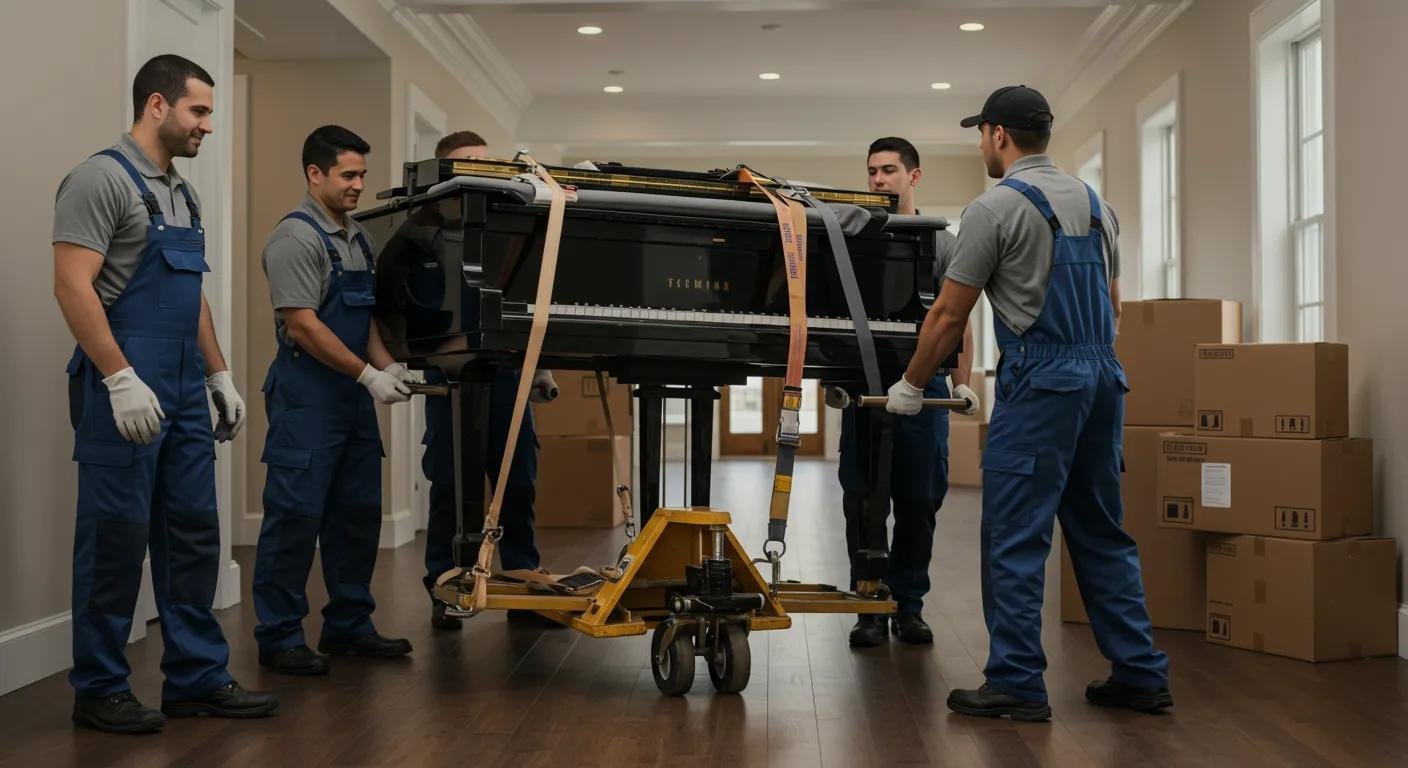
Professional movers safely transporting a grand piano using specialized equipment

Moving a piano involves disassembly, weight balancing and shock-absorption techniques. Movers detach legs and pedals, wrap the body in quilted pads, use piano dollies and secure the instrument inside climate-controlled trucks. These steps protect internal strings and soundboards from abrupt movements.

What Are the Challenges of Moving Medical and Laboratory Equipment?

Transporting medical devices and lab instruments requires cleanroom-grade packing, vibration isolation and temperature regulation. Sensitive microscopes, centrifuges and analyzers demand shock-mitigating mounts, desiccant packs for moisture control and documented chain-of-custody to comply with facility protocols.

Which Heavy and Oversized Fragile Items Need Specialized Relocation?

Large fragile items such as safes, marble statues and commercial refrigerators exceed standard size or weight limits. Movers deploy hydraulic lifts, lift gates and specialized dollies to handle loads up to several thousand pounds without risking structural damage.

Item TypeTypical Weight RangeHandling Requirement
Marble Statue500–2,000 lbsForklift placement and custom base
Safe1,000–3,000 lbsSecure straps and 4-point dolly
Commercial Fridge400–1,200 lbsTeam lift with corner protectors

This equipment-driven approach guarantees safe loading and positioning.

How Does the Specialty Moving Process Protect Your Delicate Items?

A structured relocation workflow combines advanced packing, specialized vehicles and precise handling to shield fragile goods from origin to destination. Defining each step clarifies how moving teams maintain consistent protection levels.

What Packing and Custom Crating Techniques Are Used?

Movers employ multi-layer packing with acid-free paper, bubble wrap and foam inserts. Custom crating techniques include frame-reinforced wooden boxes, shock-absorbent feet and sealed closures for climate-sensitive art. This method prevents micro-shifts that cause cracks or abrasions.

How Is Specialized Equipment Used During Transport?

Transport relies on air-ride suspension trucks, hydraulic lift gates and climate-controlled trailers to reduce vibration, facilitate heavy-item handling and regulate temperature. Equipment such as piano skates, crate carts and motorized dollies streamlines safe movement within tight spaces.

What Are the Steps for Loading, Transporting, and Unloading Fragile Items?

  1. Pre-move inspection and labeling ensure every crate is correctly documented.
  2. Careful loading with lift gates and crane arms positions items upright and secure.
  3. In-transit monitoring tracks temperature and humidity for sensitive cargo.
  4. Controlled unloading uses padded ramps and team-lift techniques to place items gently.

This end-to-end protocol maintains structural integrity until final placement.

How Can You Get a Free Quote for Specialty Fragile Item Moving Services?

Requesting a complimentary estimate involves sharing detailed information about fragile possessions and move parameters. Transparent quoting aligns client expectations with service scope and cost.

What Information Is Needed to Request an Accurate Specialty Moving Quote?

  • A detailed inventory of each fragile item including dimensions and weight.
  • The pickup and delivery addresses with stair or elevator access details.
  • Special handling requirements such as climate control or white-glove unpacking.

Collecting this data upfront streamlines the quotation process.

How Does Transparent Pricing Work for Fragile Item Relocation?

Transparent pricing factors labor hours, packing materials, crate construction, specialized equipment usage and insurance coverage. Clients receive a line-item estimate that clarifies how each service component contributes to the total cost.

What Are the Most Common Questions About Specialty Moving for Fragile Items?

Clients often wonder how to ensure safety, define specialty items and determine service scope. Addressing these concerns early enhances decision-making and trust.

How Do You Move Fragile Items Safely?

Moving fragile items safely requires professional assessment of each object’s sensitivity, tailored packing with reinforced crates and shock-absorbent support during transit to eliminate impact damage.

What Is Considered a Specialty Item for Moving?

A specialty item is any object that demands customized handling, such as fine art, antique clocks, grand pianos, medical equipment or oversized glass installations—each necessitating unique protection methods.

Do Movers Pack Fragile Items or Should You Prepare Them?

Most specialty movers include full-service packing, supplying materials and labor. Clients who pack personal collections can still request custom crating or white-glove unpacking to ensure professional-grade protection.

What Is White Glove Moving Service and How Does It Help?

White glove service provides end-to-end handling: meticulous packing, climate-controlled transport, placement in the final location and careful unpacking. This all-inclusive approach minimizes client involvement and maximizes item safety.

How Much Does It Cost to Move Specialty Fragile Items?

Cost varies by item complexity, distance, packing materials and insurance level. Typical pricing factors include:

Cost FactorPrice Influence
Item Value & SizeDetermines crate design cost
Distance TraveledAffects fuel and labor fees
Insurance CoverageAdjusts premium rates
Equipment NeedsImpacts rental or usage fees

Understanding these drivers helps clients budget accurately before scheduling a move.

Specialty moving companies combine precision packing, advanced equipment and tailored insurance to deliver damage-free relocations for the most delicate belongings. By defining protection steps, item categories, quoting requirements and key service distinctions, this guide empowers clients to select the ideal provider for fragile item transport. Partnering with a dedicated specialist ensures valuable possessions arrive intact, preserving both condition and value.

Understanding Different Types of Residential Moving Services

Understanding Different Types of Residential Moving Services: A Clear Guide to Your Moving Options

Moving homes demands choosing the right residential moving service types to avoid delays, hidden fees, or damaged belongings. This guide clarifies the core categories—local, interstate, and international moves—compares full-service and DIY approaches, explores partial-service and labor-only options, examines specialized handling for fragile items, and outlines how to select the optimal moving solution. By understanding distances, regulations, service inclusions, and company credentials, readers gain the confidence to plan a seamless relocation.

What Are the Main Types of Residential Moving Services?

Residential moving service types categorize moves by distance and assistance level, ensuring each household’s needs are met. Four principal options exist based on scope and support:

  • Local Moving: Short-distance relocations within a metropolitan area.
  • Interstate Moving: State-to-state moves governed by federal regulations.
  • International Moving: Overseas relocations subject to customs and shipping logistics.
  • DIY Moving: Self-managed relocations using rental equipment and personal labor.

These main types establish a foundation for deeper comparisons of cost, convenience, and compliance.

What Defines Local Moving Services and When Are They Ideal?

Local moving services handle relocations within the same city or county, typically billed by hourly rates and tailored for short distances. Local movers provide loading, transportation, and unloading, making last-minute schedules manageable and cost-effective. For professional local and long-distance assistance, companies like Horizon Boston Movers offer solutions that streamline urban and regional transitions. Local moving service IS_A Residential Moving Service and caters to moves under 100 miles, ideal for homeowners seeking quick, reliable support. This focus on proximity and speed naturally leads to understanding the broader requirements of interstate moving.

How Do Interstate Moving Services Differ and What Regulations Apply?

Mover reviewing interstate moving regulations with a truck and map in the background

Interstate moving services transport household goods across state lines under Federal Motor Carrier Safety Administration (FMCSA) oversight. These moves require filing a bill of lading, purchasing liability coverage, and obtaining a USDOT number. Key regulations include:

  1. Mandatory FMCSA registration for carriers.
  2. Rights and responsibilities defined in the mover’s contract.
  3. Minimum valuation coverage for lost or damaged items.

Interstate moving REQUIRES FMCSA regulation and INVOLVES state-to-state transport, ensuring consumer protection over longer distances. Understanding these federal guidelines paves the way for the added complexity of international relocations.

Recommendations to the U.S. Dept. of Transportation to Improve Household Goods Consumer Education, Simplify and Reduce Paperwork

A working group report to the U.S. Department of Transportation highlighted the importance of consumer education and clear regulations for interstate household goods moves. It emphasized the need for updated guidance on consumer rights and responsibilities, as well as streamlined paperwork requirements to protect consumers from fraudulent practices and ensure transparency in the moving industry.
This research directly supports the article’s discussion on federal regulations (FMCSA oversight) and consumer protection for interstate moving services, including the need for clear contracts and understanding rights.

What Should You Know About International Moving Services?

International moving services coordinate cross-border relocations, combining ocean freight, air shipping, and customs clearance. Effective planning addresses visa requirements, import duties, and packing methods for long-haul transport. Critical considerations include:

  • Customs documentation accuracy to avoid delays.
  • Containerized shipping options for large shipments.
  • Coordination with overseas agents for door-to-door delivery.

International moving REQUIRES Customs Clearance and USES Shipping Containers to safeguard goods en route, ensuring household items arrive on schedule and intact.

Introductory guide to international logistics

This guide outlines the complexities of international logistics, which involves the planning, implementation, and oversight of goods movement across international borders. It covers critical aspects such as international transportation, distribution, customs clearance, and the coordination required for efficient global supply chains, emphasizing the importance of these elements for successful cross-border relocations.
This source provides foundational information on the processes and considerations involved in international logistics, directly supporting the article’s section on international moving services, customs clearance, and shipping logistics.

These overseas logistics underscore the value of choosing the right level of service, whether full-service or self-managed.

How Do Full-Service Moving and DIY Moving Compare?

Comparing full-service moving and DIY moving reveals distinct mechanisms, cost structures, and benefits that suit different priorities. Full-service moves consolidate every element under one provider, while DIY moves place responsibility on the household, affecting time, effort, and liability.

What Does Full-Service Moving Include and Who Benefits Most?

Full-service moving includes professional packing, loading, transportation, unloading, unpacking, and basic furniture assembly. This all-inclusive approach PROVIDES maximum convenience and MINIMIZES physical strain.

Service FeatureBenefitIdeal For
Professional Packing & UnpackingEnsures secure handlingBusy professionals and families
Loading, Transport, and DeliverySingle-vendor coordinationComplex or large-scale moves
Furniture Disassembly/ReassemblyReduces setup time at arrivalHigh-value or bulky items

Full-Service Moving INCLUDES Packing and Protecting items, making it critical for anyone prioritizing time savings and peace of mind. Recognizing this all-in-one method sets the stage for understanding the practical steps of a DIY relocation.

What Are the Steps and Considerations for DIY Moving?

DIY moving empowers individuals to handle their own packing, loading, and driving, leveraging rental trucks and self-supplied materials. Steps include:

  • Reserving a rental truck or trailer.
  • Gathering appropriate packing supplies and protective materials.
  • Enlisting family or friends for loading and unloading assistance.
  • Securing insurance coverage for rental equipment and cargo.

DIY Moving UTILIZES Rental Truck and REQUIRES Self-Packing, making it cost-effective but demanding careful planning and physical effort. These considerations highlight the appeal of partial-service options when full control is needed without full vendor involvement.

What Are Partial-Service Moving and Moving Labor Options?

Partial-service moving and labor-only choices offer flexible assistance levels, letting homeowners pick specific tasks to outsource while retaining control over the rest.

Which Services Are Included in Partial Moving and When to Choose Them?

Partial-service moving covers selected tasks—such as packing, loading, or unloading—according to individual needs. Available options include:

  • Full or partial packing of fragile items.
  • Loading and securing belongings onto moving vehicles.
  • Transportation coordination without packing support.

Partial-Service Moving INCLUDES Loading and Packing support, making it ideal for those with limited time or specialized packing challenges. Having explored partial involvement, it is logical to examine pure labor assistance.

How Can Moving Labor Assist Your Residential Move?

Moving labor services supply trained personnel to handle physical tasks without providing equipment or transport. Typical offerings are:

  • Heavy lifting and furniture handling.
  • Loading and unloading rental trucks or containers.
  • In-home repositioning of large items.

Moving Labor PROVIDES Physical Assistance and complements any transport arrangement, enabling efficient moves when specialized help is needed without full-service commitments.

What Specialized Residential Moving Services Are Available for Fragile or Unique Items?

Specialized mover packing a grand piano with protective materials in a living room

Specialized residential moving services focus on high-value, delicate, or oversized goods, employing custom methods and equipment.

Which Items Require Specialized Moving Solutions?

Certain household goods demand expert handling due to size, weight, or fragility:

  • Grand pianos and musical instruments.
  • Fine art, antiques, and sculptures.
  • Motor vehicles, motorcycles, and boats.

Specialized Moving HANDLES Fragile Items and REQUIRES Custom crates or lift-gates, ensuring valuable possessions receive dedicated care. Recognizing item requirements leads to understanding how experts execute these moves.

How Do Specialized Movers Handle Fragile and Valuable Goods?

Professional specialized movers use tailored strategies—crating, climate-controlled transport, and shock-absorbent padding—to protect precious items. Core methods include:

  • Custom wooden crates with foam liners for artwork.
  • Hydraulic lift systems for pianos and heavy antiques.
  • GPS-tracked, climate-regulated vehicles for sensitive instruments.

Specialized Moving REQUIRES Special Equipment and HANDLES valuables with precision, securing them against damage during transit and arrival.

How Do You Choose the Right Residential Moving Service for Your Needs?

Selecting the optimal moving service depends on project scope, budget constraints, and desired level of involvement, guided by objective evaluation criteria and company vetting.

What Key Factors Should Influence Your Moving Service Choice?

Decisions hinge on factors such as:

  • Distance and applicable regulations.
  • Total budget and cost-control preferences.
  • Complexity and fragility of transported items.
  • Required timeline and scheduling flexibility.

User CHOOSES Moving Service based on Distance, Budget, Time, and Item Characteristics, ensuring tailored solutions that align with relocation demands. With these criteria in mind, evaluating prospective movers becomes the final step.

What Should You Look for When Hiring a Moving Company?

When vetting moving companies, assess credentials and track record through:

  • Valid FMCSA or state licensing and insurance coverage.
  • Transparent, itemized estimates and valuation options.
  • Positive customer reviews and third-party ratings.
  • Clear policies on liability, claims, and additional fees.

Moving Company SHOULD_HAVE License, Insurance, and demonstrated reliability to guarantee accountability and satisfaction throughout the relocation process.

A thorough understanding of residential moving service types empowers homeowners to balance cost, convenience, and peace of mind. By evaluating distances, service inclusions, and company credentials, individuals can craft a plan that fits their unique relocation needs. This clarity transforms a potentially stressful move into a structured, manageable process. When service requirements and provider qualifications align, the next home transition becomes a confident step forward.

Commercial Moving Company Comparison Guide for Businesses

Best Commercial Moving Company Comparison Guide for Businesses: How to Choose, Compare, and Save

Selecting the right commercial moving company can reduce relocation downtime by up to 40%, protect critical assets, and deliver measurable cost savings. In this guide, businesses gain a clear comparison of top providers in 2025, learn decision-making criteria, review typical pricing models, follow an actionable relocation checklist, and explore emerging industry trends. By mapping service offerings, pricing, reputation factors, and sustainability initiatives, this comparison guide equips organizations to choose, compare, and save on their next office move.

Minimizing Downtime: The Impact Of Expert Business Moving Services

Professional commercial moving services are crucial for minimizing business downtime during relocation. Expert movers provide strategic planning, efficient packing, and safe transportation of equipment, allowing businesses to resume operations faster and avoid disruptions.
This information reinforces the article’s assertion that selecting the right commercial moving company can significantly reduce relocation downtime and ensure business continuity.

What Are the Top Commercial Moving Companies for Businesses in 2025?

The top commercial moving companies in 2025 deliver specialized logistics, coordinated project management, and consistently high customer satisfaction scores to streamline business relocations and minimize operational interruption.

Moving CompanyCore ServiceCustomer Rating
American Van LinesLong-distance office moves4.7/5
Allied Van LinesNationwide corporate relocations4.6/5
JK Moving ServicesSpecialized IT and equipment handling4.8/5
Mayflower TransitRegional commercial moves4.5/5
North American Van LinesEnd-to-end project coordination4.6/5

These comparisons highlight providers with distinct strengths, setting the stage for deeper exploration of long-distance, local, and niche services.

Which Companies Offer the Best Long-Distance Commercial Moving Services?

Long-distance moving truck on a highway, illustrating interstate logistics for commercial moves

Long-distance movers coordinate interstate logistics and secure freight transport to ensure timely delivery and asset protection for relocations beyond 250 miles.

  • American Van Lines manages cross-country fleets with GPS-enabled tracking. (move.org)
  • North American Van Lines provides white-glove handling and door-to-door transit. (move.org)
  • Allied Van Lines offers binding estimates that lock in cost for budget certainty. (move.org)

These leaders sustain high reliability by leveraging real-time shipment monitoring, reducing transit damage, and preserving schedule accuracy.

Who Are the Leading Local Office Moving Companies?

Local office movers specialize in city-wide and regional relocations, optimizing labor crews, traffic planning, and building regulations to complete moves within 100 miles efficiently. For example, Boston Moving Services – Local and Long Distance Movers excels at minimizing downtime for Boston-area enterprises by integrating route planning with professional packing and setup.

Local specialists reduce risk through intimate knowledge of municipal requirements, providing businesses with rapid turnaround and consistent service quality.

What Specialized Services Do Commercial Movers Provide for IT and Specialty Equipment?

Specialty movers handle sensitive technology, manufacturing instruments, and high-value fixtures through custom packaging, climate-controlled transport, and certified technicians. Typical offerings include:

  • Server rack disassembly and reassembly using anti-static protocols.
  • Laboratory and medical device crating with vibration-dampening materials.
  • Secure vehicle transport and oversized machinery relocation.

These services protect critical infrastructure, maintain warranty compliance, and support immediate productivity after installation.

How Do Commercial Moving Companies Compare on Pricing and Customer Ratings?

Commercial moving costs vary by distance, shipment volume, service complexity, and route logistics, while customer ratings reflect responsiveness, claim resolution, and transparency. The table above synthesizes average ratings alongside core specialties to guide businesses toward providers whose reputations and pricing structures align with project demands.

How Do You Choose the Right Commercial Moving Company for Your Business?

Selecting a mover involves evaluating credentials, track record, and alignment with organizational requirements to ensure asset protection and schedule adherence.

What Key Factors Should Businesses Consider When Comparing Commercial Movers?

When comparing movers, businesses should assess experience, licensing, and service scope to guarantee regulatory compliance and operational efficiency.

  • Verify FMCSA registration and cargo insurance levels.
  • Confirm specialized experience in office, laboratory, or IT relocations.
  • Evaluate in-house packing, storage capabilities, and white-glove options.

These factors reduce liability, safeguard equipment, and streamline communication throughout the relocation process.

How Important Are Customer Reviews and Company Reputation?

Customer feedback and industry certifications signal reliability, service consistency, and problem-resolution effectiveness, offering real-world insights into a mover’s performance.

  • Aggregate star ratings across platforms like BBB and Google Reviews.
  • Review documented case studies for similar project scales and industries.
  • Seek testimonials highlighting claim handling, schedule adherence, and post-move support.

Reputation analysis helps predict service quality and informs risk-mitigation strategies.

What Questions Should You Ask Commercial Moving Companies Before Hiring?

A targeted questionnaire uncovers hidden fees, clarifies responsibilities, and sets performance expectations to avoid disputes and budget overruns.

  1. “Is my estimate binding or non-binding?”
  2. “What is your claims process for damages?”
  3. “Can you provide references from similar projects?”
  4. “What are your standard packing materials and procedures?”

Answering these questions ensures transparency, aligns deliverables, and informs final contract terms.

How Does Technology and Sustainability Impact Commercial Moving Choices?

Technology integration and eco-friendly practices differentiate providers through operational transparency and reduced environmental impact.

  • Real-time GPS tracking and digital inventory management improve accountability.
  • Electric or hybrid fleets lower carbon footprints and comply with green initiatives.

How Technology is Transforming the Moving Industry: Innovations Reshaping Relocation

Technology, including AI-powered route optimization, GPS tracking, and digital inventory management, is revolutionizing the moving industry by enhancing operational efficiency and customer experience. Concurrently, sustainable practices like using eco-friendly packing materials, energy-efficient vehicles, and carbon-offset programs are increasingly adopted by movers to reduce environmental impact.
This supports the article’s discussion on how technology integration and eco-friendly practices are differentiating commercial moving providers and shaping industry choices.

Choosing movers with advanced logistics platforms and sustainable vehicle options supports corporate responsibility goals and enhances project visibility.

What Are the Typical Costs and Pricing Models for Commercial Moving Services?

Commercial moving costs derive from labor hours, equipment use, mileage, and value-added services, with pricing models designed to match project complexity and risk preferences.

How Are Commercial Moving Costs Calculated and What Affects Pricing?

Costs are calculated by combining distance-based transportation fees, hourly labor rates, and additional service charges to produce binding or non-binding estimates.

  • Distance and weight determine baseline transportation rates.
  • Labor hours reflect packing, loading, unloading, and setup efforts.
  • Specialty services (IT handling, crating) add flat or per-unit fees.

Understanding these components empowers businesses to forecast budgets accurately.

How Can Businesses Get Accurate Commercial Moving Quotes?

Obtaining precise quotes requires detailed on-site surveys, accurate inventory lists, and clarity on project timelines.

  • Schedule a comprehensive site visit to assess access, floor plans, and special requirements.
  • Provide an itemized inventory of assets, including fragile or oversized items.
  • Confirm expected move dates, staging areas, and storage needs.

Thorough preparation minimizes surcharges and ensures binding estimates reflect true project scope.

What Hidden Fees Should Businesses Watch Out For in Commercial Moves?

Hidden fees can erode budgets if not addressed upfront, introducing unexpected costs after contracts are signed.

  • Stair carry or elevator reservation charges.
  • After-hours or weekend labor premiums.
  • Storage access fees and extended warehousing costs.

Identifying these potential surcharges during proposal review safeguards against post-move invoice surprises.

What Is a Commercial Moving Checklist for Businesses?

Commercial moving checklist on a clipboard, highlighting essential pre-move planning steps

An actionable relocation checklist structures planning, execution, and follow-up activities to maintain continuity and reduce downtime.

What Are the Essential Pre-Move Planning Steps?

Effective pre-move preparation aligns stakeholders, secures resources, and establishes clear timelines to reduce operational disruptions.

  1. Assign a relocation coordinator to manage tasks and communication.
  2. Inventory and label all assets, categorizing by department and priority.
  3. Schedule packing, IT shutdown, and network disconnection windows.
  4. Confirm building access, permissions, and parking reservations.

Structured planning minimizes surprises and ensures a controlled transition.

How Should Businesses Manage the Moving Day Process?

Coordinated execution on moving day ensures teams stay on schedule, assets remain protected, and critical systems come online promptly.

  • Maintain an on-site command center for real-time issue resolution.
  • Use digital checklists to verify completed tasks and asset delivery.
  • Communicate status updates to department leads at each milestone.

This disciplined approach preserves productivity and accelerates operational resumption.

What Post-Move Actions Ensure a Smooth Business Relocation?

Post-move follow-up addresses final installations, damage assessments, and stakeholder feedback to close out the project and validate success.

  • Conduct a walkthrough to identify missing or damaged items.
  • Confirm IT infrastructure functionality and network connectivity.
  • Gather team feedback and document lessons learned for future moves.

These steps solidify completion, maintain accountability, and inform continuous improvement.

What Industry Trends Are Shaping Commercial Moving Services in 2025?

Emerging market dynamics elevate customer expectations for transparency, sustainability, and technological innovation in commercial relocations.

How Is Technology Transforming Business Relocation Services?

Advanced logistics platforms, artificial intelligence routing, and digital inventory tools optimize scheduling, reduce delays, and deliver real-time visibility.

  • AI algorithms predict optimal moving windows and resource allocation.
  • Mobile apps enable clients to track shipment status and approve digital invoices.

These innovations improve accuracy, strengthen trust, and accelerate decision-making.

What Sustainable Practices Are Commercial Movers Adopting?

Commercial movers increasingly uphold green standards by integrating recyclable materials, energy-efficient vehicles, and carbon-offset programs.

  • Reusable plastic crates replace single-use cardboard.
  • Hybrid and electric trucks lower emissions and operating costs.

Adopting these practices aligns relocation projects with corporate sustainability goals and regulatory requirements.

How Is the Commercial Moving Market Growing and What Does It Mean for Businesses?

The commercial relocation industry is projected to expand at a 7 percent CAGR through 2032, driven by corporate office turnover, remote work realignments, and global supply-chain shifts. This growth intensifies competition, encourages service specialization, and presents businesses with a broader array of tailored logistics solutions. Continuous market expansion ensures innovative offerings but also demands more rigorous due diligence when selecting a moving partner.

Commercial Moving Trends: What the Latest Data Says

The corporate relocation service market is projected to grow from $20.22 billion in 2025 to $32.47 billion by 2032, exhibiting a compound annual growth rate (CAGR) of 7%. This expansion is driven by factors such as global talent mobility and strategic business expansion initiatives.
This research directly supports the article’s claim regarding the projected growth rate of the commercial relocation industry.

Continuous market expansion ensures innovative offerings but also demands more rigorous due diligence when selecting a moving partner.

Long Distance Moving Options Explained for Stress-Free Relocation

Long Distance Moving Options Explained for Stress-Free Relocation

Relocating across state lines presents logistical challenges and emotional stress that can overwhelm even seasoned movers.

Understanding long distance moving options empowers individuals to choose a solution that balances budget, convenience, and reliability while minimizing anxiety. This guide explores five core themes: the principal moving methods, decision-making criteria for selecting the ideal approach, step-by-step planning for a seamless relocation, comparative analysis of leading service providers, and concise answers to common cross-country moving questions. By examining full-service movers, container solutions, DIY truck rentals, specialty and hybrid services, readers will gain actionable insights to plan a stress-free long distance move.

Psychological and Emotional Impact of Long-Distance Relocation

Long-distance relocation is widely recognized as a significant life stressor, often leading to emotional and psychological challenges such as anxiety, depression, and a sense of loss due to leaving familiar surroundings. Proper planning, decluttering, and professional assistance can help mitigate these stressors.
This research reinforces the article’s initial premise about the emotional stress associated with long-distance moves and the importance of strategies to reduce it.

What Are the Main Types of Long Distance Moving Options?

How Does Full-Service Long Distance Moving Work?

Full-service long distance moving involves professional teams handling every relocation phase, from packing and loading to transport and unpacking, ensuring careful handling of belongings and insurance coverage for added protection. Movers assess your inventory, provide high-quality packing materials, and use climate-controlled trucks to safeguard items. The turnkey nature of this option reduces personal effort, creating a foundation for a streamlined relocation experience that leads directly into comparing more budget-friendly alternatives.

What Are Moving Container Services and How Do They Compare?

Delivery of a moving container to a home, illustrating the convenience of self-packing

Moving container services offer portable storage units delivered to your location for self-packing and pickup once loaded, combining flexibility with professional delivery.

Customers pack on their own schedule, then the provider transports containers to the destination.

ProviderContainer Size OptionsDelivery Time
U-Pack8 ft, 12 ft5–7 days transit
PODS7 ft, 12 ft, 16 ft7–10 days transit

Each container service reduces handling fees and allows phased loading, while transit times and monthly storage rates vary. Understanding these differences guides selection of the most efficient self-service solution.

Is Renting a Truck for a DIY Long Distance Move Right for You?

Renting a moving truck gives complete control over packing, routing, and scheduling and typically offers the lowest base price when self-loading is feasible. Truck rental requires driving a large vehicle, fuel costs, mileage fees, and potential motel stays en route. Those comfortable with heavy-lifting and long-haul driving often save significantly by combining personal labor with straightforward logistics.

What Specialty and Hybrid Moving Solutions Are Available?

Specialty and hybrid services blend elements of full-service and DIY options to match unique needs:

  • Freight shipping by pallet or crate for small loads
  • Load-only and unload-only services pairing professional loaders with customer-arranged transport
  • Hybrid movers offering partial packing, assembly, or last-mile delivery

These customizable methods address niche scenarios such as vehicle transport, delicate instruments, or last-minute schedule changes while preserving cost and convenience advantages.

How Can You Choose the Best Long Distance Moving Option for Your Needs?

What Factors Should You Consider When Selecting a Moving Service?

Selecting the right long distance mover depends on three primary factors:

  1. Total relocation budget and available self-labor
  2. Desired timeline and flexibility for pick-up and delivery windows
  3. Inventory characteristics, including fragile, heavy, or oversized items

Evaluating these criteria helps align service capabilities with personal resources and timing requirements, leading naturally into cost comparisons.

How Do Moving Costs Vary Across Different Options?

Moving costs reflect distance, shipment volume, service level, and seasonality.

OptionCost Range (USD)Influencing Factors
Full-Service Movers3,000–8,000Weight, packing, insurance
Container Services1,800–4,500Container size, storage, transit time
Truck Rental1,200–3,000Rental duration, mileage, fuel
Freight Shipping600–2,000Pallet count, consolidation fees

Recognizing how each attribute drives pricing empowers more accurate budgeting and selection of the right service tier.

Understanding Long-Distance Moving Costs and Influencing Factors

The cost of a long-distance move is influenced by factors such as distance, the weight and volume of belongings, the chosen service level (full-service versus DIY), and seasonality. Average costs can vary significantly, ranging from approximately $1,000-$3,000 for smaller moves to $5,000-$10,000 or more for larger homes, with full-service options generally being more expensive than self-service or truck rentals.
This research directly supports the article’s breakdown of moving costs across different options and the various factors that influence pricing, such as distance, weight, and service level.

What Are the Cheapest Ways to Move Long Distance?

The most cost-effective approaches reduce labor fees and service markups:

  • Driving a rental truck and packing yourself
  • Booking consolidated freight shipping for smaller loads
  • Sharing a container delivery with roommates or family members

These DIY-focused methods cut standard moving charges while retaining essential transit capabilities.

How Do You Plan a Stress-Free Long Distance Move?

What Are the Essential Steps in a Long Distance Moving Checklist?

A reliable moving checklist follows these key steps:

  1. Research and reserve moving services or truck rentals early
  2. Declutter and donate items no longer needed
  3. Gather quality packing supplies and label boxes by room
  4. Confirm schedule and delivery windows with providers
  5. Prepare an essentials box for first-night use

Completing each stage on time ensures smoother execution and reduces last-minute stress, which naturally leads to smarter packing strategies.

How Can Packing Strategies Reduce Moving Stress?

Organized packing area with color-coded boxes and packing materials for a stress-free move

Efficient packing techniques streamline move day and safeguard valuables:

  • Pack by room and label color-coded boxes for quick unpacking
  • Use protective materials such as bubble wrap, packing paper, and sturdy tape
  • Create a digital inventory or photo record for high-value items

Organized preparation lowers the risk of damage and allows for faster settling at the destination, highlighting the importance of moving protection.

What Insurance and Protection Options Should You Consider?

Moving insurance and liability coverage safeguard possessions against unforeseen incidents:

  • Released-value coverage included at no extra cost, covering minimal per-pound losses
  • Full-value protection networks each item’s replacement or repair cost
  • Third-party shipment insurance for specialized goods

Selecting an appropriate plan prevents financial loss and provides peace of mind throughout transit.

Which Are the Best Long Distance Moving Companies and How Do They Compare?

What Services Do Top Full-Service Movers Offer?

Leading full-service movers handle every detail with professional precision, offering packing, specialized crating, transport, unpacking, and storage solutions. Horizon Boston Movers combines transparent pricing with experienced crews licensed for interstate moves and comprehensive insurance options, ensuring a reliable, stress-free relocation experience.

How Do U-Pack and PODS Compare for Moving Container Services?

Container services diverge on container dimensions, pricing structures, and storage options:

ProviderMonthly Storage FeeContainer SizesIncluded Services
U-Pack$30–$508 ft, 12 ftDelivery, basic liability
PODS$30–$607 ft, 12 ft, 16 ftDelivery, loading assistance

Comparing these attributes clarifies which provider best aligns with budget, space needs, and timeline constraints.

What Should You Look for When Choosing a Reputable Mover?

A trustworthy moving company exhibits:

  • Proper licensing and insurance credentials
  • Transparent, itemized estimates free of hidden fees
  • Positive customer reviews and on-time delivery records
  • Professional equipment and trained relocation specialists

These benchmarks differentiate reliable providers from those prone to delivery delays or cost surprises.

Key Criteria for Selecting Reputable Long-Distance Moving Companies

When choosing a long-distance moving company, it is crucial to verify their licensing and insurance credentials, seek transparent and itemized estimates, and review customer feedback and on-time delivery records. Reputable movers are typically registered with the Federal Motor Carrier Safety Administration (FMCSA) for interstate moves.
This citation validates the article’s advice on what to look for in a trustworthy moving company, emphasizing licensing, transparency, and customer reviews.

What Are Common Questions About Long Distance Moving?

What Is the Cheapest Way to Move Long Distance?

The cheapest method typically combines self-packing and DIY transportation via rental truck or consolidated freight shipping, minimizing labor and premium service fees.

What Are the Three Main Types of Long Distance Moves?

Long distance moves fall into three categories: full-service moves handled entirely by professionals, self-service moves using containers or truck rentals, and hybrid solutions blending professional loading with customer-arranged transport.

Is It Cheaper to Move Yourself or Hire Movers?

Moving yourself generally costs 30–50% less by eliminating labor charges, but hiring movers reduces personal effort, time commitment, and risk of damage.

How Do You Move Your Belongings Safely Across the Country?

Safe cross-country transport combines sturdy packing materials, clear labeling, adequate insurance coverage, and selecting reputable carriers to protect valuables during long-haul transit.

Relocating across states involves weighing service levels, cost drivers, and personal preferences to find the optimal balance between budget and convenience. By comparing full-service, container, DIY, and hybrid methods—and following a structured planning checklist—households can minimize stress and arrive smoothly at their new homes. Thoughtful selection of providers, comprehensive insurance, and strategic packing ultimately ensure a stress-free long distance move.