Piano Movers Boston
Specifications:Technical considerations:Specifications:Moving requirements:
Piano Movers Boston: Professional Piano Moving Services
When searching for reliable Piano Movers Boston residents can trust, Horizon Boston Movers stands out as the premier choice for professional piano moving. Moving a piano is a specialized task that requires expertise, precision, and the right equipment. Whether you’re relocating a grand piano across town or a digital piano to a new home, understanding the nuances of piano moving is essential. This article will delve into the costs associated with piano moving in Boston, safety tips for preparation, and the differences between local and long-distance piano moving services. By the end, you’ll have a comprehensive understanding of what to expect when hiring professional piano movers in Boston, ensuring a smooth and safe transition for your instrument.
5-Step Specialized Piano Moving Process
At Horizon Boston Movers, we adhere to the highest standards set by the American Moving & Storage Association (AMSA) to ensure your piano is moved safely and efficiently. Our licensed and fully insured piano moving company provides white-glove service for every piano move. Our specialized 5-step process incorporates technical precision and expert coordination to protect your valuable instrument throughout the move.
- Assessment and Planning: Our team evaluates the piano type, weight, dimensions, and the moving environment, including doorways, staircases, and truck access. This step ensures compliance with Boston building codes, such as minimum doorway widths (typically 32 inches) and elevator weight limits, to prevent surprises on moving day.
- Professional Packing and Protection: Our packing process includes:Thick padded blankets to protect the piano’s finishStretch wrap to secure blankets in placeCorner guards for vulnerable edgesSoundboard protection to prevent internal damageCustom crating for long-distance moves
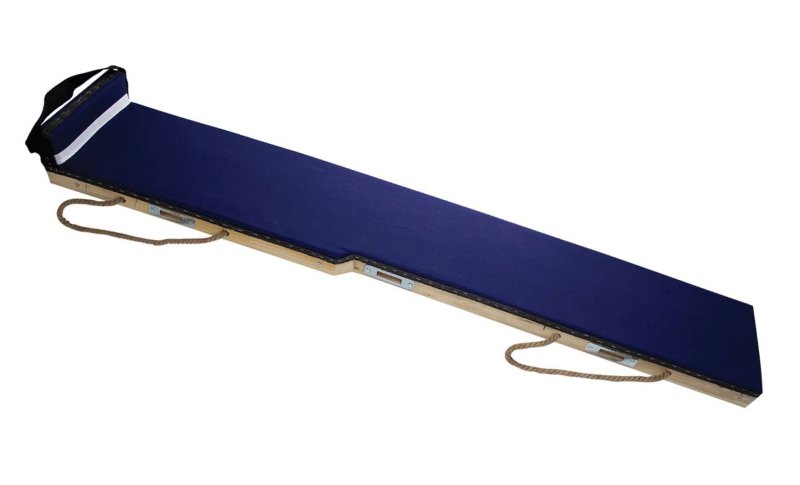
- Safe Loading with Specialized Equipment: We use professional-grade equipment:Piano skids (4′ x 6′ reinforced boards rated for 1,200+ lbs)4-wheel piano dollies with rubber wheelsHeavy-duty moving straps with 2-inch webbingHydraulic lift gates on all trucksRamps designed for weight distributionLoading involves precise equipment and physics knowledge. Our team uses specialized piano skids to safely transport your instrument. Four-wheel piano dollies with heavy-duty moving straps secure the instrument firmly. Hydraulic lift gates on trucks facilitate safe loading and unloading, especially for heavier models. Understanding the piano’s center of gravity and weight distribution—ranging from 300 to 1,200 lbs depending on the model—is critical to prevent tipping or strain. Our teams, consisting of 2 to 4 movers depending on piano size, coordinate movements with clear communication and synchronized lifting techniques, always bending at the knees to protect their backs.
- Transport in Climate-Controlled Trucks: Pianos are sensitive to temperature and humidity fluctuations. We use climate-controlled trucks to maintain stable conditions, preventing damage such as wood warping or finish cracking during transit.
- Unloading and Placement: Upon arrival, the team carefully unloads and positions the piano in its new location, ensuring it fits through doorways and staircases without damage. We verify the piano’s stability and provide guidance on post-move care.
Safety and Preparation Tips

When it comes to moving a piano, safety should be your top priority. Proper preparation can prevent damage to both the piano and your property. Here are some essential tips to ensure a safe moving experience:
- Hire Professional Movers: Professional piano moving requires specialized training and equipment. Piano Movers Boston specialists understand that only trained personnel with the right tools can reduce the risk of damage. Horizon Boston Movers follows AMSA guidelines and employs trained personnel skilled in proper lifting techniques, such as bending at the knees rather than the back, to prevent injury. We provide white-glove service for every piano move, ensuring meticulous care.
- Use Proper Equipment: Ensure that the right moving equipment, such as dollies and straps, is used to secure the piano during transport. Our use of heavy-duty moving straps with 2-inch webbing and piano skid boards ensures stability and safety.
- Prepare the Environment: Clear pathways and doorways to facilitate a smooth move, and consider the weather conditions on moving day. Boston’s variable climate means planning for rain or snow is essential to protect your piano.
By following these tips, you can ensure that your piano is moved safely and efficiently, minimizing the risk of accidents or damage.
Professional Piano Moving Equipment and Techniques
Using the right safety equipment is crucial for a successful piano move. Here are some items that should be on hand:
- Padded Blankets: Protects the piano from scratches and dents during transport.
- Dollies: Heavy-duty dollies are essential for moving pianos, especially larger models.
- Moving Straps: Secure the piano to prevent it from shifting during transport.
- Hydraulic Lift: Trucks equipped with hydraulic lift gates facilitate safe loading and unloading.
Preparation Steps for Moving
Before the moving day, take the following steps to prepare:
- Measure Doorways and Staircases: Ensure that the piano can fit through all entry points. Boston building codes require minimum doorway widths, and older homes may have narrower passages.
- Disassemble if Necessary: For larger pianos, disassembling parts can make the move easier and safer.
- Notify Your Movers: Inform your moving company about any specific challenges or requirements.
Local vs Long-Distance Piano Moving
Understanding the differences between local and long-distance piano moving can help you choose the right service for your needs.
Local piano moving typically involves shorter distances and may be less expensive. However, it still requires careful planning and execution to ensure the piano’s safety. Long-distance moves, on the other hand, often involve more logistics, including potential storage solutions and insurance considerations.
Differences in Service Offerings
- Local Moves: Generally quicker and less complex, focusing on immediate transport.
- Long-Distance Moves: May include additional services such as climate-controlled storage and specialized packing.
Cost Implications
The costs associated with local moves are usually lower, ranging from $200 to $800, while long-distance moves can range from $600 to $1,500, depending on the distance and services required.
Post-Move Piano Care and Maintenance
After your piano has been safely relocated, proper care and maintenance are essential to preserve its sound quality and structural integrity. Boston’s unique climate and the stresses of moving can affect your instrument in several ways.
Why Piano Tuning Is Essential After Moving
Moving a piano causes shifts in string tension due to vibrations and changes in humidity and temperature. These factors can destabilize pitch and affect the instrument’s tonal quality. Movement affects tuning stability, requiring professional adjustment after relocation. It is recommended to wait 2 to 3 weeks after the move before scheduling a professional tuning session, allowing the piano to acclimate to its new environment. In Boston, typical tuning costs range from $100 to $200, depending on the piano type and technician.
Climate and Humidity Considerations for Boston Pianos
Boston experiences significant seasonal humidity fluctuations, with dry indoor air during winter heating and high humidity in summer months. Pianos thrive in a relative humidity range of 42-45%. Deviations can cause the soundboard to crack or warp, affecting sound and structural stability. Installing humidifier or dehumidifier systems in the piano room helps maintain optimal conditions year-round. Climate-controlled storage and transport further protect your piano from these environmental stresses.
Piano Moving Cost Breakdown

The cost of moving a piano can vary significantly based on several factors, including the type of piano, distance, and any additional services required. Understanding these costs can help you budget effectively for your move.
What Factors Affect Piano Moving Costs?
Types of Pianos
As experienced Piano Movers Boston professionals, we handle a variety of piano types with care and technical expertise. Understanding the technical specifications of different piano types helps in planning the move and estimating costs.
Upright Piano Moving
- Spinet: 36-40″ tall, 200-400 lbs, drop action mechanism
- Console: 40-44″ tall, 350-450 lbs, direct blow action
- Studio: 45-48″ tall, 400-500 lbs, full-size action
- Compact design ideal for apartments
- Vertical soundboard requires careful tilting
- Internal mechanisms sensitive to jarring movements
Grand Piano Moving
- Baby Grand: 5-6 feet, 500-600 lbs
- Parlor Grand: 6-7 feet, 600-800 lbs
- Concert Grand: 7-9 feet, 700-1,200 lbs
- Leg removal and reattachment
- Horizontal soundboard protection
- Cast iron plate (harp) weighs 300+ pounds alone
- Requires minimum 3-4 professional movers
Boston Neighborhoods and Moving Challenges
Piano Movers Boston teams encounter unique challenges navigating Boston’s diverse neighborhoods. Familiarity with local conditions is essential for planning and executing a safe move.
Back Bay, Beacon Hill, and Downtown Boston
- Victorian brownstones with 12-15 step stoops
- Narrow brick sidewalks (3-4 feet wide)
- Historic Federal-style townhouses
- Gas lamp posts create tight clearances
- Strict parking enforcement and permit requirements
North End and Historic Districts
- Streets as narrow as 10-12 feet wide
- Multi-story walk-ups (3-5 floors common)
- Cobblestone streets requiring extra care
- Limited truck access requiring shuttle service
- Historic building preservation requirements
Insurance and Liability
When moving a piano, it’s essential to consider insurance options to protect your investment. Many professional movers offer insurance coverage, which can provide peace of mind during the moving process.
Types of Insurance Available
- Basic Coverage: Often included in the moving service, but may not cover full value. This coverage typically reimburses at 60 cents per pound, which may not reflect the piano’s true worth.
- Full Value Protection: Offers comprehensive coverage for the piano’s value, ensuring you are compensated in case of damage. This is highly recommended for valuable instruments.
- Third-Party Insurance: Additional insurance options can be purchased for extra protection, especially for rare or antique pianos.
Importance of Coverage
Having the right insurance can safeguard against potential losses, making it a crucial aspect of the moving process. Always discuss insurance options with your moving company to ensure adequate coverage.
Storage Options for Pianos
If you need to store your piano temporarily, several storage solutions are available. Choosing the right storage facility is vital to maintaining the piano’s condition.
Types of Storage Facilities
- Climate-Controlled Units: Ideal for pianos, as they protect against temperature and humidity fluctuations.
- Standard Storage Units: May be suitable for short-term storage but lack climate control.
Considerations for Piano Storage
When selecting a storage facility, consider the following:
- Security Features: Ensure the facility has adequate security measures in place.
- Accessibility: Choose a location that is easy to access when you need to retrieve your piano.
- Cost of Storage Services: Prices can range from $100 to $300 per month, depending on the facility and services offered.
Customer Testimonials and Case Studies
Hearing from others who have successfully moved their pianos can provide valuable insights. Many customers highlight the importance of hiring professional movers to ensure a smooth transition.
- Real-Life Examples: Customers often share stories of how professional movers handled their pianos with care, resulting in a stress-free experience.
- Customer Satisfaction: Testimonials frequently emphasize the peace of mind that comes with knowing experts are handling their valuable instruments.
By considering these testimonials, you can gain confidence in your choice of piano moving services and understand the benefits of professional assistance.
Frequently Asked Questions About Piano Moving in Boston
How much does it cost to move a piano in Boston?
Piano moving costs in Boston typically range from $200-$400 for upright pianos and $400-$1,200+ for grand pianos. Final pricing depends on piano type, staircase access, distance, and specific challenges like narrow hallways or tight corners. Contact Horizon Boston Movers at 617-991-7677 for a free, accurate estimate based on your specific situation.
Do I need a specialist piano mover or can regular movers do it?
You absolutely need a specialist piano mover. Pianos weigh 300-1,200 pounds and contain delicate internal mechanisms including soundboards, strings, hammers, and the cast iron plate. Regular movers lack the specialized equipment (piano skids, dollies, padded blankets) and training required to protect these valuable instruments. Professional piano movers prevent costly damage and ensure your piano arrives safely.
How do you move a piano up stairs in a Boston brownstone?
Moving pianos up Boston brownstone stairs requires specialized techniques and equipment. Our team uses piano skids, heavy-duty moving straps, and strategic weight distribution methods. We assess staircase width, turns, and ceiling height during pre-move planning. For narrow Victorian staircases common in Back Bay and Beacon Hill, we may disassemble piano components and use hydraulic lifts. Stair charges typically range from $50-$150 per flight.
Should a piano be tuned immediately after moving?
No, do not tune your piano immediately after moving. Wait 2-3 weeks to allow the instrument to acclimate to its new environment’s temperature and humidity levels. Movement affects tuning stability as strings settle and the soundboard adjusts. After this acclimation period, schedule a professional tuning (typically $100-$200 in Boston) to restore optimal pitch and sound quality.
Are your piano moving services insured?
Yes, Horizon Boston Movers is fully licensed and insured for piano moving. We provide basic liability coverage (60 cents per pound) at no additional cost, plus optional full-value protection for 2-3% of your piano’s declared value. Our comprehensive insurance protects your valuable instrument throughout the entire moving process, from packing to final placement in your new location.
Contact Horizon Boston Movers for Expert Piano Moving Services
Choose Piano Movers Boston experts at Horizon Boston Movers for your next piano relocation. Contact us today for a free estimate. Call 617-991-7677 to discuss your specific needs and receive a personalized quote.
When it comes to local piano moving, careful planning and execution are key to ensuring the safety of your instrument.
For those requiring temporary solutions, piano storage options provide a secure environment to maintain your piano’s condition, including climate-controlled storage options available.